B2B Ecommerce Solutions: Types, Costs and How to Choose

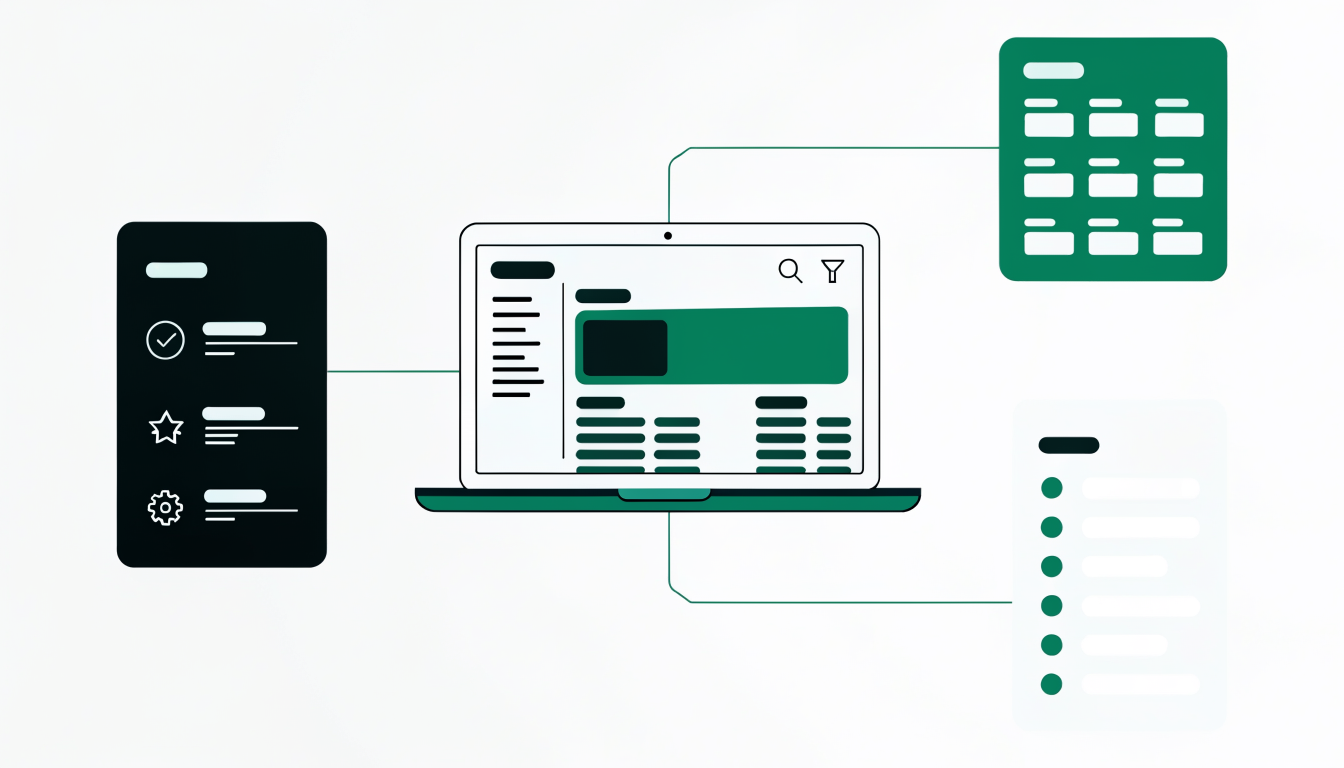
A B2B ecommerce solution is the software that lets a business sell to other businesses online, with the pricing, ordering and account rules wholesale buyers expect: customer-specific price lists, minimum order quantities, gated catalogs, payment terms and self-service reordering. In 2026 the options fall into four categories: native B2B built into a platform you already pay for, a wholesale app layer that adds B2B rules on top of an existing store, a mid-market B2B platform bought as a separate system, and enterprise or composable commerce assembled from services. Most Shopify brands under roughly $20 million a year are best served by the first two, which launch in days and cost between $0 and $400 a month. Mid-market and enterprise solutions only pay off when quoting, contract pricing or ERP depth genuinely exceed what a storefront plus an app layer can handle.
Key takeaways
- B2B ecommerce solutions come in four categories: native platform B2B, a wholesale app layer, a mid-market B2B platform, and enterprise or composable commerce.
- Since April 2, 2026, Shopify's core B2B features ship on every plan rather than Plus only, which removed the biggest cost barrier for growing brands.
- Costs range from $0 extra for native B2B, to $50 to $400 a month for an app layer, to quoted four and five figure monthly programs above that.
- Gartner found 67% of B2B buyers prefer a rep-free buying experience, so self-service ordering is a revenue requirement rather than a convenience.
- Choose on the trading rules your buyers actually need, pricing tiers, MOQs, terms and gated access, not on the length of a feature list.
In this article
- What is a B2B ecommerce solution?
- What are the four types of B2B ecommerce solutions?
- How do the four categories compare?
- What do B2B ecommerce solutions cost?
- What features does every B2B ecommerce solution need?
- What should a B2B ecommerce solution integrate with?
- How do you choose a B2B ecommerce solution in 7 steps?
- What mistakes derail B2B ecommerce projects?
- Frequently asked questions
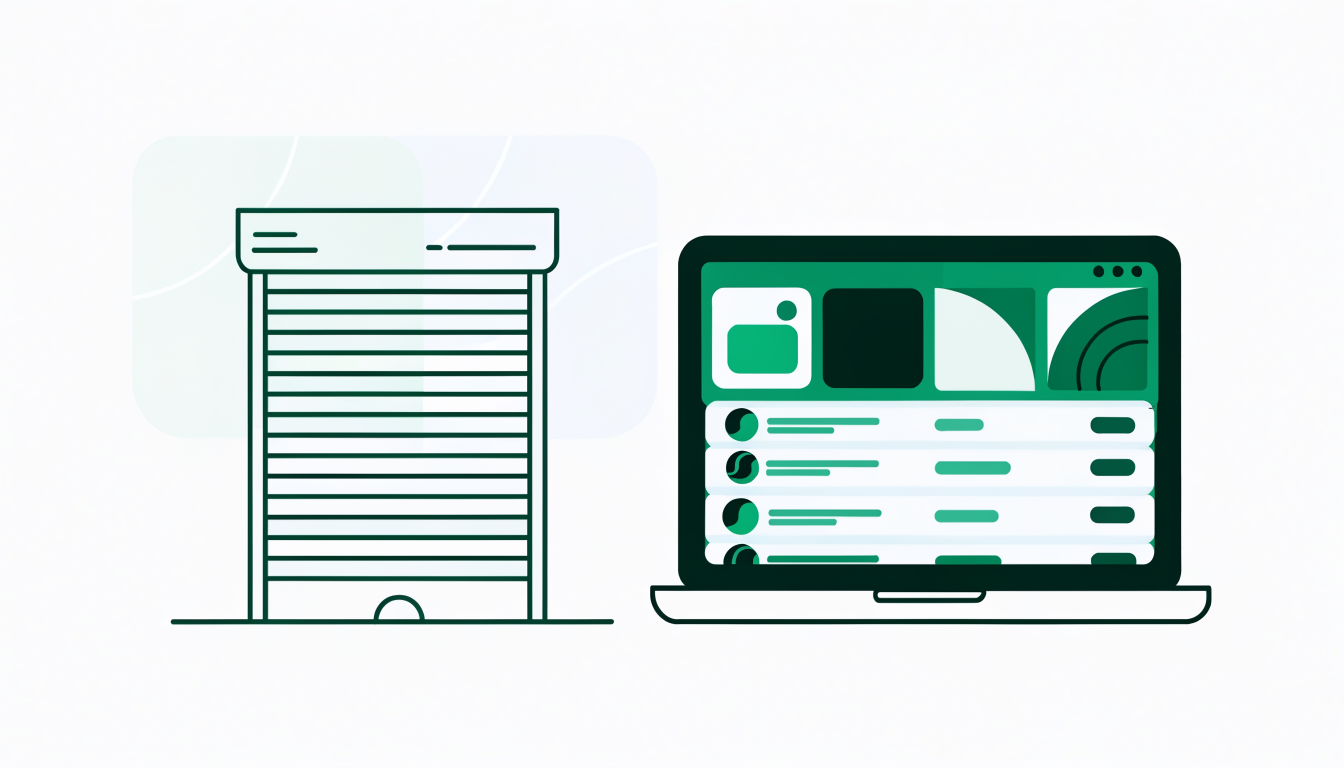
Something changed in the B2B software market this year, and most buying guides have not caught up. On April 2, 2026, Shopify moved its core B2B features off the Plus tier and onto every plan, including Basic. The practical effect is that the entry price for running a real wholesale channel fell from roughly $2,300 a month to whatever you already pay for your store. That reshuffles the whole decision.
What is a B2B ecommerce solution?
A B2B ecommerce solution is the software that lets one business sell to another business online, under the rules that trade buyers expect. Those rules are what separate it from a normal retail checkout: an account-specific price list rather than one public price, a minimum order quantity rather than a single unit, an invoice on 30 day terms rather than a card charge, and a catalog that only approved accounts can see.
The phrase gets used loosely. Vendors call a single app a B2B ecommerce solution, and they call a $400,000 replatforming program a B2B ecommerce solution too. Both are accurate, which is exactly why the category is confusing. It is more useful to think of B2B commerce solutions as four distinct shapes of answer to the same problem, sitting at four very different price points.
The demand behind all of them is not in doubt. Gartner reported in March 2026 that 67% of B2B buyers now prefer a rep-free buying experience, based on a survey of 646 buyers. Your wholesale accounts would rather log in at 11pm and place a reorder than email a sales rep and wait until Tuesday. A B2B ecommerce solution is how you let them.
What are the four types of B2B ecommerce solutions?
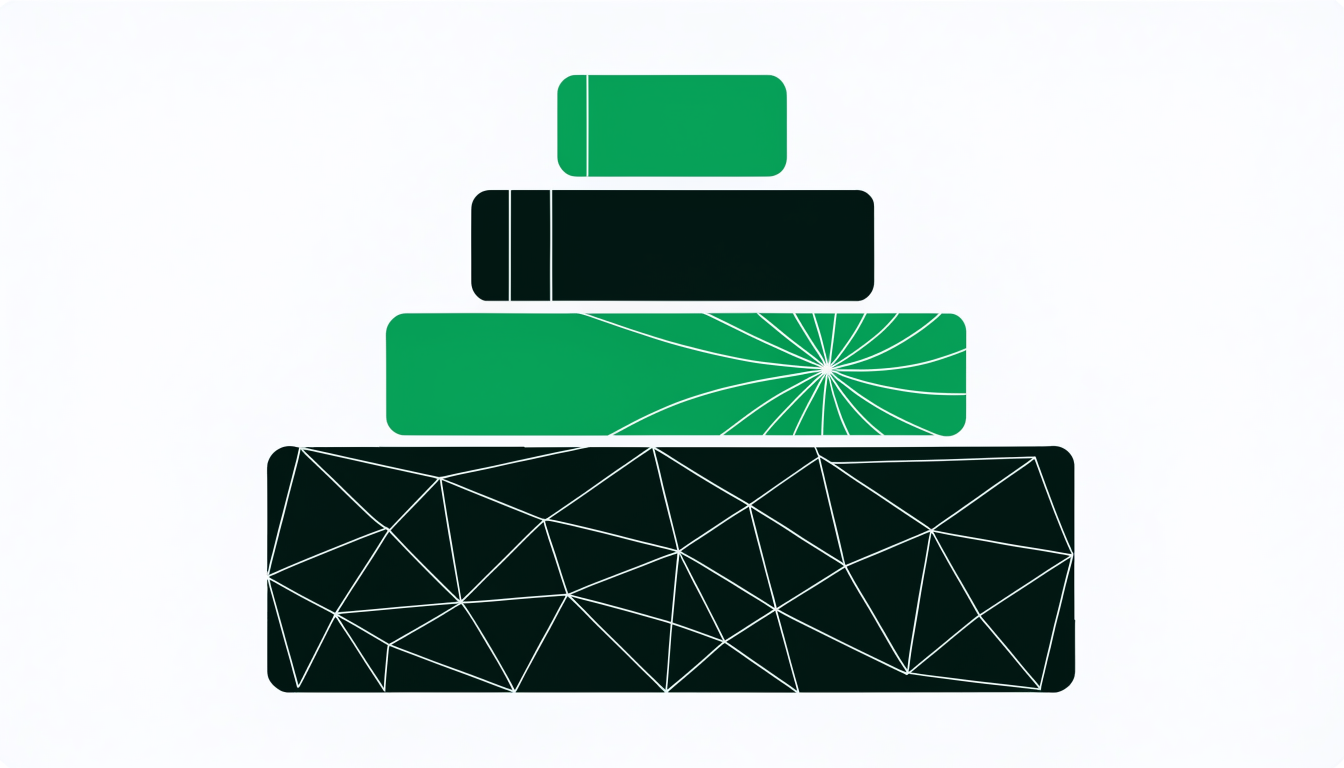
1. Native platform B2B
The B2B features built into the ecommerce platform you already run. On Shopify this means company profiles, custom catalogs with their own price lists, volume rules, vaulted cards and payment terms. As of April 2026 that set ships on Basic, Grow and Advanced with a cap of three catalogs, while Plus keeps unlimited catalogs, catalog assignment down to a specific company location, and partial payments or deposits.
Native B2B is the right starting point when your wholesale rules are simple: a handful of price groups, no complicated approval flow, no gated storefront. It costs nothing extra and it is supported by the same team that supports the rest of your store.
2. A wholesale app layer
An app installed on your existing storefront that adds the B2B rules the platform does not cover, without moving your store anywhere. This is where products like PortalSphere sit. You keep one catalog, one inventory pool and one admin, and the app applies wholesale pricing, minimum order quantities, pack sizing, gated access, net terms and tax exemption to the accounts you approve.
The reason this category exists is that native B2B tends to stop just short of the operational edges. Registration and approval workflows, hiding prices from logged out visitors, pack size enforcement, tax exempt handling and wholesale-specific upsells are all common requirements and all common gaps. An app layer fills them in days rather than months. For a deeper look at the tooling in this tier, see our guide to B2B wholesale software for Shopify brands.
3. A mid-market B2B platform
A separate commerce system bought specifically because it is B2B first: quoting, contract pricing, customer hierarchies, requisition lists and approval chains built into the core rather than added on. Vendors in this tier quote on request rather than publishing prices, and they usually assume a partner agency will implement.
This category earns its cost when the sales process itself is complex, not just the pricing. If a large share of your orders begin as a negotiated quote, if buyers need spending limits and internal approvals, or if you sell the same SKU under dozens of contracted prices, a mid-market B2B ecommerce platform stops being an indulgence.
4. Enterprise and composable commerce
Commerce assembled from services rather than bought as a product: a headless front end, an API-first commerce engine, a separate PIM, a separate search provider, and an integration layer stitching them to the ERP. Total control, total responsibility, and a program measured in quarters.
Enterprise makes sense at genuine scale or genuine oddity: many storefronts across regions and languages, hundreds of thousands of SKUs, or a business model no packaged product models well. It rarely makes sense as a hedge against future growth, because the growth usually arrives later than the invoice does.
How do the four categories compare?
For most Shopify brands under roughly $20 million in annual revenue, the honest verdict is that a native setup plus a wholesale app layer wins on every criterion that matters, because it delivers the same buyer-facing rules in days for a fraction of the cost. Mid-market and enterprise solutions win only when quoting, contract pricing or ERP depth genuinely exceed what a storefront can express.
Native platform B2B
Native B2B handles tiered pricing by customer group, minimum order quantities and payment terms without a second system, so a brand with a few straightforward price lists can launch on it alone. Where it runs thin is access control and workflow: hiding prices until a buyer logs in works only at a basic level, and there is no built-in wholesale registration and approval queue, so most brands end up handling applications by email.
Wholesale app layer
A wholesale app layer covers every row in the table above at the buyer-facing level, including the registration workflow, gated catalogs and wholesale-specific upsells that native B2B leaves out, and it does so on the storefront you already run. It reaches its own limit at the back end: deep ERP and accounting sync usually runs through a connector rather than a native integration, which is fine for most brands and not enough for a distributor with a heavily customized ERP.
Mid-market B2B platform
A mid-market platform gives you contract pricing, quoting and deep ERP integration natively, which is why distributors and manufacturers gravitate to it. The trade-off is that serving retail customers from the same system varies by vendor and often means a second storefront, and the first live order is typically two to four months away rather than two to four days.
Enterprise and composable
Enterprise and composable commerce can do anything on the list because you are building it, and that is also the catch. Running B2B and B2C from one storefront is a design decision you pay engineers to make rather than a setting you toggle, and the timeline runs from six to eighteen months before a single wholesale order is placed.
What do B2B ecommerce solutions cost?
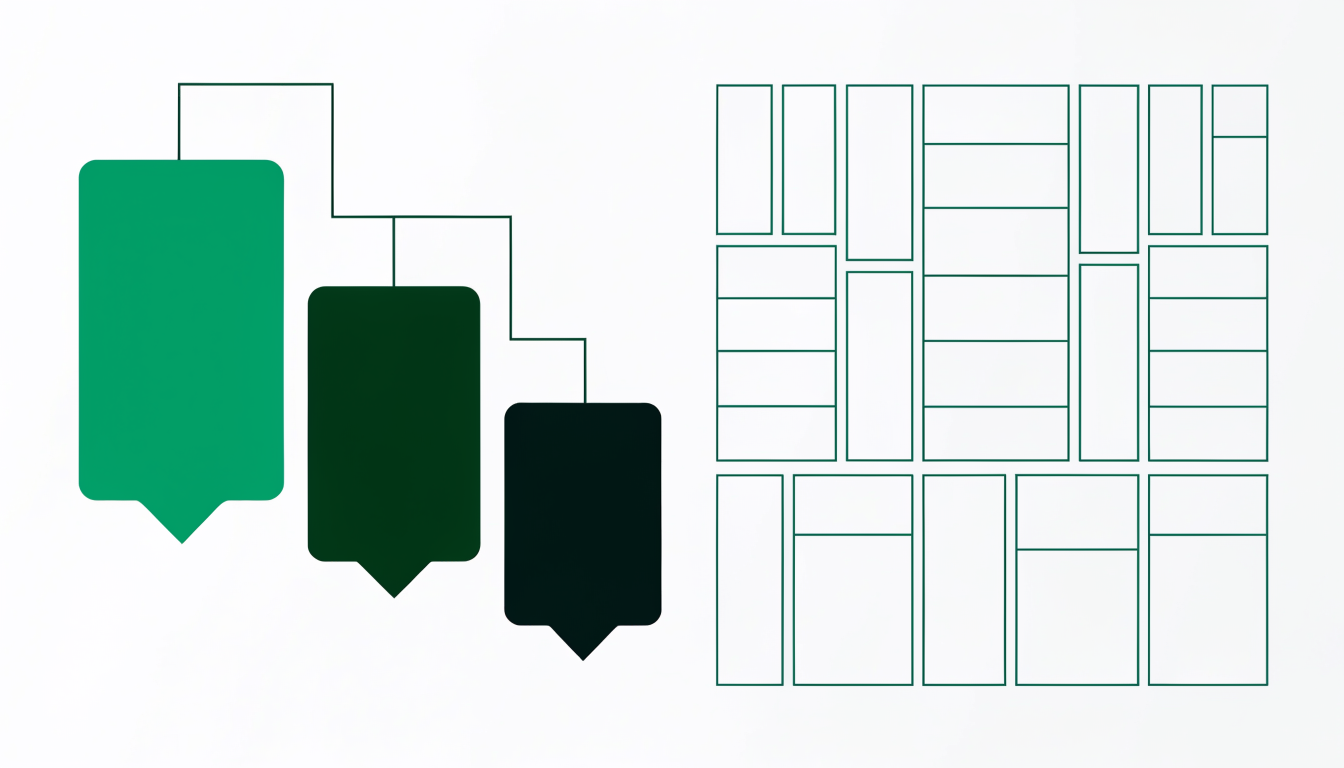
Here are the real numbers, current as of August 2026.
Native platform B2B: $0 extra. Shopify plans run $39 a month for Basic, $105 for Grow and $399 for Advanced on monthly billing, with Plus starting at $2,300 a month. Since the April 2026 change, B2B features are included at every one of those tiers, so if you are already paying for a store you are already paying for B2B.
Wholesale app layer: roughly $50 to $400 a month. Apps in this tier price on your revenue band. PortalSphere, for example, runs $49 a month for stores under $25k a month, $99 up to $50k, $199 up to $100k and $399 up to $200k, each with a 14 day free trial. Against a single recovered wholesale order, that is usually a rounding error.
Mid-market B2B platform: four figures a month, plus implementation. Licenses are quoted rather than published, and implementation is a separate line item that frequently exceeds the first year of license fees. Budget for an agency, a data migration and a period where both systems are running at once.
Enterprise and composable: five figures a month, plus a program. At this tier the license is not the expensive part. Engineering time, integration work and ongoing maintenance are, and they do not stop after launch.
The number worth calculating is not the monthly fee, it is the cost of the status quo. Add up the hours your team spends keying in emailed orders, correcting wrong prices and chasing purchase orders. Most brands find that the manual process costs more per month than any solution in the first two categories.
What features does every B2B ecommerce solution need?
Feature lists in this category are long and mostly interchangeable. These are the ones that actually decide whether wholesale buyers use your store or go back to email.
Customer-specific pricing
Different accounts pay different prices, and the price a buyer sees must be their price, not a discount applied at checkout. Look for pricing by customer group, percentage or fixed overrides at the product level, and quantity breaks that recalculate live in the cart. Our walkthrough of setting up tiered wholesale pricing on Shopify covers the mechanics.
Order rules: MOQs, multiples and pack sizes
Wholesale is sold in cases, not units. A solution that cannot enforce a minimum order quantity, a case multiple or a minimum order value will generate orders your warehouse has to call the customer about. See how to set minimum order quantities for the specifics.
Gated access and hidden prices
Most brands do not want wholesale pricing visible to the public, to competitors, or to retail shoppers. That means a registration form, an approval step, and prices that stay hidden until an approved buyer logs in. If your solution cannot do all three, your margins are on the open web.
Payment terms and tax handling
Net 30 is the default expectation in most trade relationships, and resellers expect to buy without sales tax against a valid exemption certificate. Both need to work at checkout, not as a manual invoice correction afterwards. We cover the setup in offering net 30 terms to wholesale customers.
One catalog serving two audiences
Running a separate wholesale store means duplicate inventory, duplicate product data and two places for something to go wrong. A modern solution should let B2B and B2C run from one store, with the buyer experience switching on who is logged in.
Reordering and account self-service
Trade buyers reorder. Order history, one-click repeat ordering, saved lists and visible order status are what turn a portal into a habit. This is the single strongest argument for a real B2B buyer portal rather than a form on a hidden page.
What should a B2B ecommerce solution integrate with?
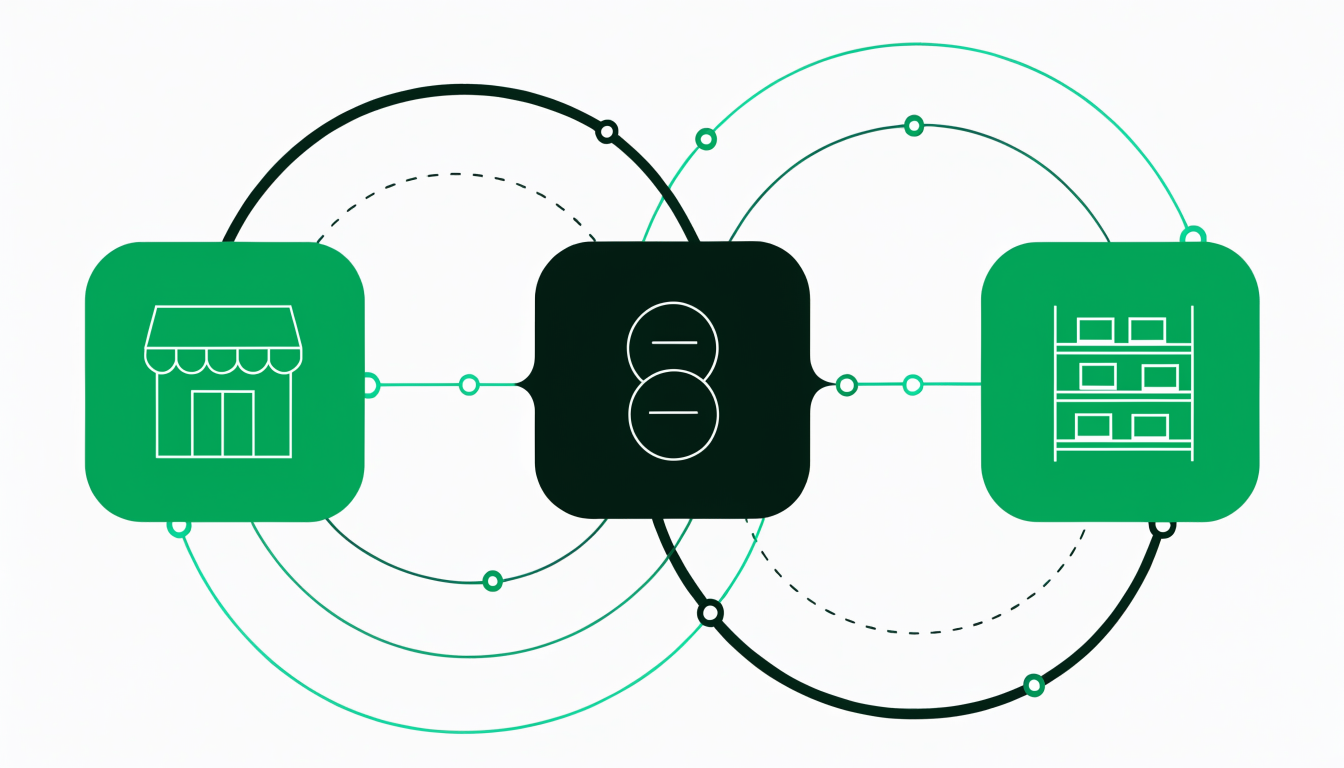
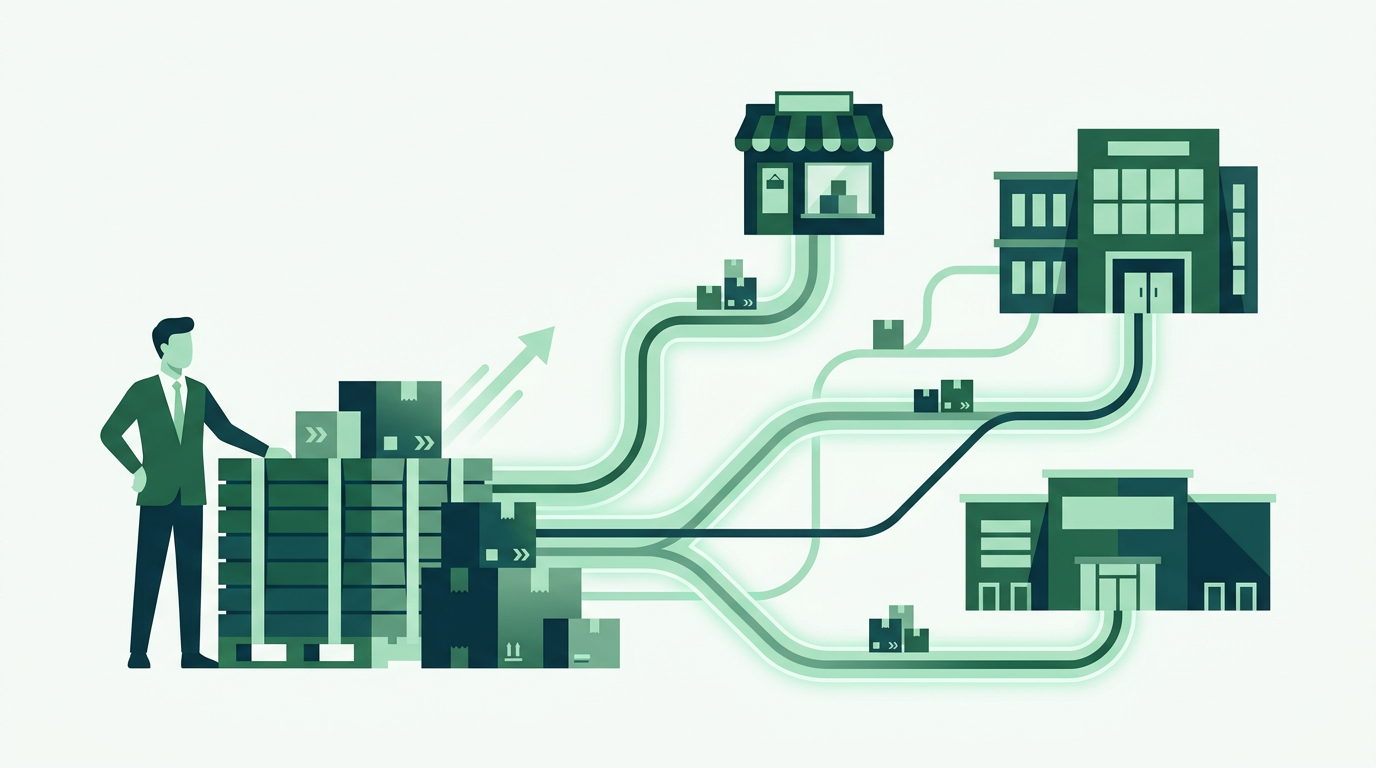
Wholesale orders do not end at checkout. They flow into accounting, into inventory, into fulfillment and often into a rep's commission report. Four connections matter most:
- Accounting or ERP. Orders, invoices, credit limits and payment status. If your finance team rekeys wholesale invoices by hand, that is the integration to fix first. Our Shopify ERP integration guide covers the patterns.
- Inventory and 3PL. One stock pool across retail and wholesale, or you will oversell.
- CRM. So reps can see what an account ordered before they call it.
- Shipping and tax. Freight rates and exemption certificates behave differently for trade accounts than for consumers.
The practical test is simple: ask any vendor to name the specific system you use and describe how the connection works. A vague answer about an open API means you are buying the integration as a project, not as a feature.
How do you choose a B2B ecommerce solution in 7 steps?
- Write down your actual trading rules first. Every price tier, every MOQ, every payment term you offer today. This single document eliminates half the market before you talk to anyone.
- Count your catalogs. If three price lists cover your accounts, native B2B may be enough. If you need dozens, you need a layer above it.
- Decide whether the storefront moves. Replatforming is the most expensive decision in this process and the easiest to avoid. Solve wholesale on the store you have unless something specific makes that impossible.
- Test the buyer experience, not the admin. Place a test order as a wholesale account. Count the clicks from login to confirmation. Buyers abandon portals that feel like paperwork.
- Confirm the integrations by name. Not "we have an API". The name of your accounting system, and how the sync behaves when it fails.
- Price the total, not the license. Subscription, implementation, agency time, and the internal hours to run it.
- Run a real pilot with real accounts. Put five wholesale customers on it for a month. Their behavior will tell you more than any demo.
If you want a structured way to score the options, our guide to choosing a wholesale ecommerce platform works through the same criteria in more depth, and Shopify B2B versus a wholesale app covers the specific native-or-app decision.
What mistakes derail B2B ecommerce projects?
Buying for the company you might become. Enterprise capability bought at $2 million in revenue is capital spent on a hypothesis. The categories are not a ladder you have to climb in order; plenty of brands stay on an app layer through nine figures.
Launching a second, separate store. It doubles the maintenance and splits your data, and it almost always gets consolidated back within two years.
Treating pricing as the whole problem. Pricing is the easiest part. Access control, order rules, terms and reordering are what buyers actually feel.
Skipping the approval workflow. If anyone can self-register into wholesale pricing, your margins leak to resellers and retail customers alike.
Ignoring the sales team. Reps who fear a portal replaces them will quietly steer accounts back to email. Show them the reorder data it hands them. For a sector-specific view, see B2B ecommerce for distributors.
Frequently asked questions
What is the difference between a B2B ecommerce solution and a B2B ecommerce platform?
A B2B ecommerce platform is the underlying system that hosts your store and processes orders. A B2B ecommerce solution is the complete answer to selling wholesale online, which may be a platform, a platform plus an app layer, or a platform plus custom development. In practice most brands do not buy a new platform at all: they add wholesale capability to the platform they already run, which is why the two terms are often used interchangeably even though they describe different things.
How does B2B ecommerce work?
An approved business customer logs into your store and sees a catalog and price list specific to their account. They add products subject to your order rules, such as minimum quantities or case multiples, and check out using either a card or agreed payment terms such as net 30. The order flows into the same system as your retail orders, then out to accounting and fulfillment. The difference from B2C is entirely in the rules applied to the logged-in account, not in the underlying commerce mechanics.
What are the different B2B ecommerce models?
The common models are manufacturer to distributor, distributor to retailer, brand direct to retailer, and B2B marketplace. Most Shopify brands operate the brand direct to retailer model, selling their own products wholesale to independent stores alongside a retail storefront. The model matters because it determines how many price tiers you need and how much of the relationship is negotiated rather than listed.
Do you need Shopify Plus to sell B2B?
No. Since April 2, 2026, Shopify's core B2B features are available on Basic, Grow and Advanced plans as well as Plus, with a limit of three custom catalogs on the lower plans. Plus retains unlimited catalogs, catalog assignment to specific company locations, and partial payments or deposits. Brands that need more than three price lists or want gated access and approval workflows typically add a wholesale app rather than upgrading to Plus.
How long does it take to launch a B2B ecommerce solution?
It depends entirely on the category. Native B2B or a wholesale app on an existing store can be configured and live in a few days. A mid-market B2B platform typically takes two to four months including data migration and integration work. An enterprise or composable build runs six to eighteen months. The timeline is driven by integration and data migration far more than by the commerce software itself.
Can one store serve both B2B and B2C customers?
Yes, and for most brands it is the better setup. One store means one inventory pool, one product catalog and one admin, with the wholesale experience appearing only for logged-in approved accounts. Running a separate wholesale store duplicates product data and inventory, and creates two places for pricing to drift out of sync.
Run wholesale on the store you already have
PortalSphere adds tiered pricing, MOQs, net terms and gated catalogs to your Shopify store, with free onboarding and a 14 day trial.