Selling Wholesale: How to Sell Wholesale on Shopify

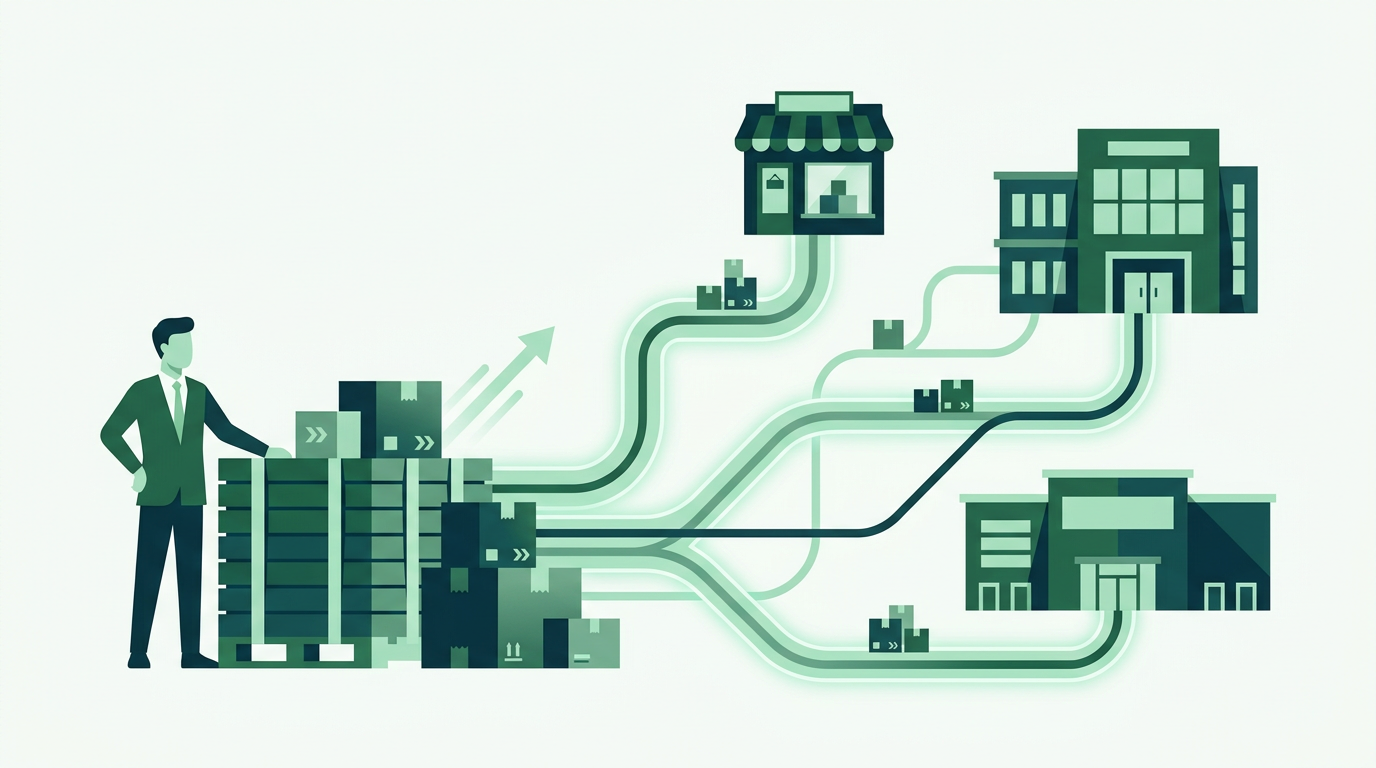
Selling wholesale means selling your products in bulk to other businesses, retailers and resellers, at a discounted per-unit price (usually around 50% of retail) so they can mark them up and resell to their own customers. The steps are the same for any brand: get your seller’s permit and a line sheet in place, set a wholesale price that covers your costs and still leaves the retailer a healthy margin, add volume-based tiered pricing and a minimum order quantity, find retail buyers through outreach, trade shows and marketplaces, then let approved buyers order online instead of by spreadsheet and email. On Shopify you can run the whole channel from your existing store by gating wholesale pricing behind approved accounts and adding MOQs and net terms at checkout.
Key takeaways
- Selling wholesale means selling in bulk to businesses at roughly 50% of retail, trading margin per unit for volume and repeat orders.
- Before your first order, sort licensing (usually a state seller’s permit), a line sheet, lead times and a minimum order quantity.
- Set a wholesale price that covers cost plus margin, then layer in tiered pricing by customer group and volume breaks.
- Find buyers through retailer outreach, trade shows, marketplaces, and a clear "sell with us" application on your store.
- Scale by moving pricing onto accounts, making reorders one click, and offering net terms selectively instead of case by case.
- On Shopify, PortalSphere runs wholesale and retail from one store with gated access, MOQs, and net terms.
What does selling wholesale mean?
Selling wholesale means selling your products in bulk to other businesses, usually retailers or resellers, at a discounted per-unit price so they can mark them up and sell to their own customers. You make less on each unit than you would at retail, but you move far more volume per order and gain a predictable, repeatable revenue channel that does not depend on chasing individual consumers.
For a Shopify brand, the goal is to run that channel with the same polish as your direct-to-consumer store: a buyer signs in, sees pricing built for their account, meets a minimum order, and checks out on the terms you agreed. The steps below walk through how to sell wholesale end to end, from licensing and pricing to taking the order online.
What do you need before you start selling wholesale?
Before you take a first wholesale order, get five things in place: a wholesale price list you can defend, a minimum order quantity, a line sheet or gated online catalog buyers can order from, realistic production lead times, and whatever licensing your state requires. Four of those are a morning of work. Licensing is the one that varies.
In the US, wholesale sellers usually need a state seller’s permit or resale certificate, so a reseller who gives you a valid resale certificate can buy from you without paying sales tax. Some categories (food, supplements, cosmetics, alcohol) carry extra permits on top. Requirements and fees differ by activity and location, and the US Small Business Administration points business owners to their Secretary of State to confirm what applies. Our guide on getting a wholesale license walks through it in order.
On the commercial side, the one document buyers keep asking for is a line sheet: product names, SKUs, case packs, wholesale price, MSRP, MOQ, and lead time on a single scannable page. If you would rather send a link than a PDF, a gated catalog does the same job and takes the order at the same time. See how to make a wholesale line sheet for the format.
How do you set your wholesale pricing?
Wholesale pricing usually lands around 50% of your retail price (a 2x markup for the retailer), but the real rule is simpler: your wholesale price has to cover your cost of goods plus a healthy margin, while still leaving the retailer room to roughly double it. Start from your unit cost, add your target margin, and sanity-check that the number sits near half of your MSRP.
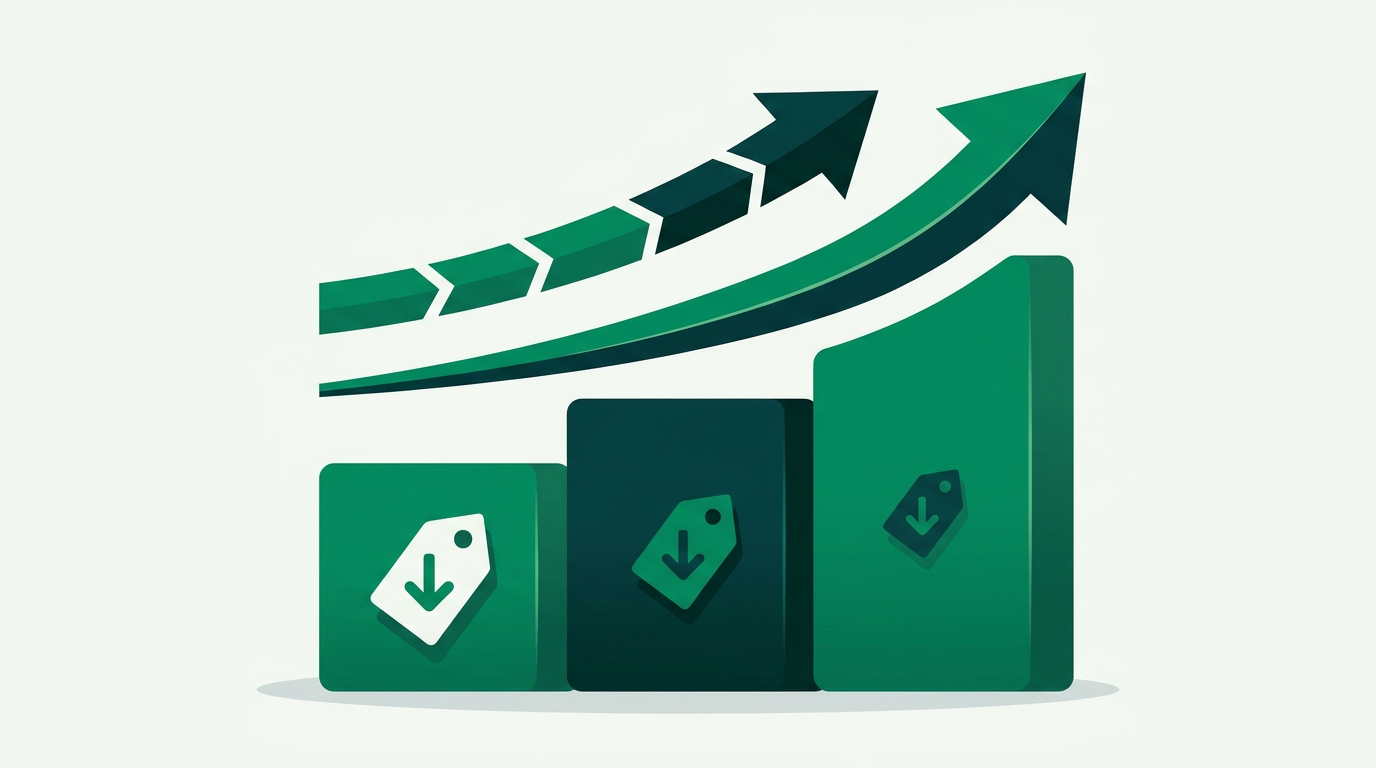
Once you have a base wholesale price, layer in volume incentives so bigger buyers get better rates. Tiered pricing by customer group is the cleanest way to do this: a small boutique sees one price, a national chain sees another, and neither sees your retail pricing. Pair that with a minimum order quantity so every wholesale order is worth fulfilling. For a full walk-through, see our guide on setting up tiered wholesale pricing on Shopify and setting minimum order quantities.
How do you find wholesale customers?
Wholesale buyers are retailers, boutiques, distributors, and other businesses that will resell your product. The fastest ways to reach them: pitch independent shops that already carry products like yours, exhibit at trade shows in your category, list on a wholesale marketplace to get discovered, and add a clear "wholesale" or "sell with us" link to your existing store so inbound retailers can apply.
Whichever channel brings them in, make the next step effortless. A short application form that you approve, followed by instant access to a gated catalog with their pricing, converts far better than a back-and-forth over email. Treat retailer acquisition like lead gen: capture the application, qualify it, and onboard fast.
How do you take wholesale orders online?
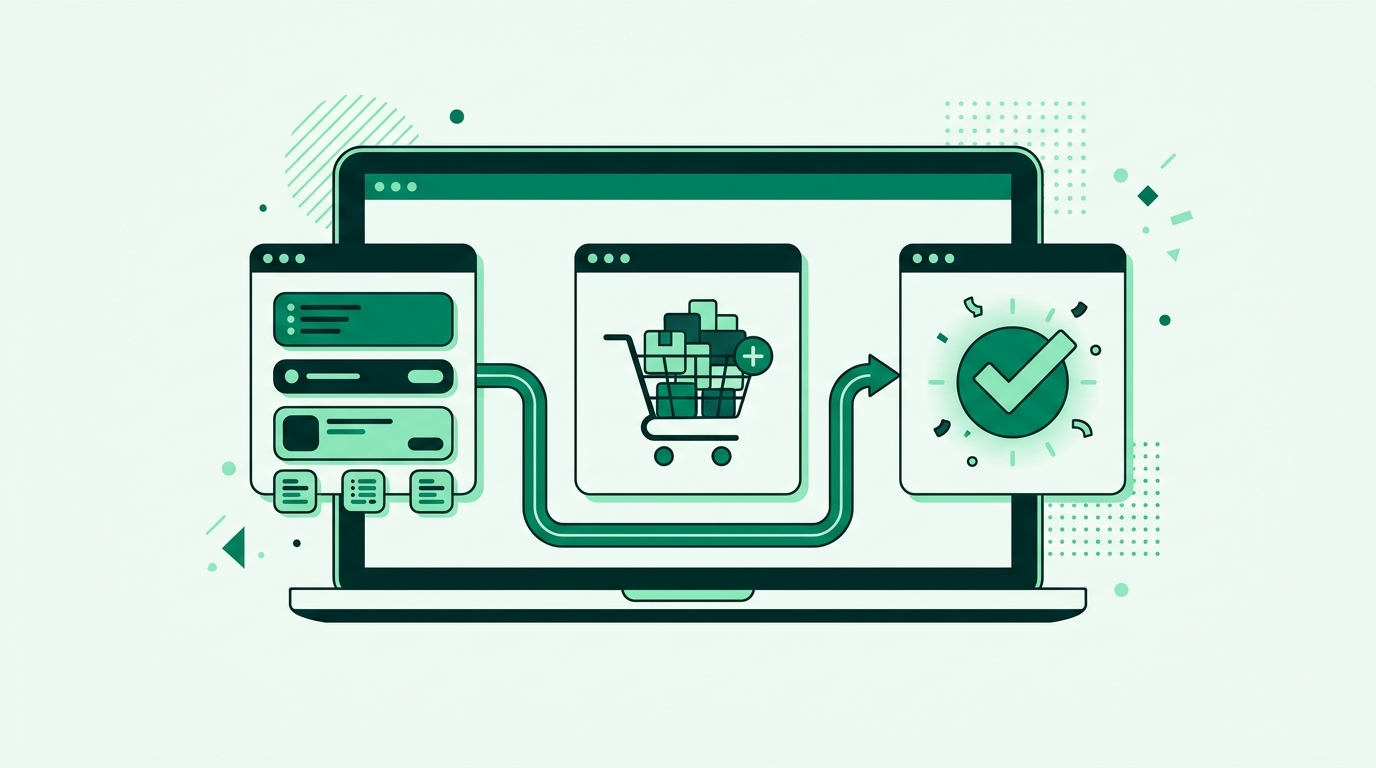
The manual way of selling wholesale, PDF line sheets, emailed order forms, and pricing tracked in spreadsheets, works until it does not. It is slow, it is easy to quote the wrong price, and it gives your buyers a worse experience than any consumer checkout they use daily. The fix is to let retailers order online, self-serve, on the pricing and terms you set.
This is where PortalSphere does the heavy lifting on Shopify. It adds the wholesale mechanics your store does not have out of the box: gated access with registration and approval, hidden prices until a buyer logs in, custom tiered pricing per customer group, MOQs and pack sizing, and net terms and tax exemption at checkout, all inside the store you already run. Your buyers get a modern ordering experience; you stop doing manual order entry.
Where should you sell wholesale: your own store, a marketplace, or by hand?
You can sell wholesale three ways, and most brands end up combining them. Running it on your own Shopify store keeps the margin, the data, and the buyer relationship in your hands; a marketplace buys you discovery but charges a commission on every order; the manual route costs nothing to start but does not scale. For control and long-term economics, your own store wins; use a marketplace as a discovery layer on top.
Selling on your own Shopify store with PortalSphere handles tiered pricing, MOQs, and net terms natively, so you set volume discounts per customer group and offer payment terms without a second tool or a commission clipping every order. A wholesale marketplace is genuinely useful for discovery, but it owns the buyer relationship and charges a fee on each sale, and it cannot gate a catalog behind your own approved accounts. The manual route keeps your margins and your data, but the spreadsheet-and-email workflow breaks the moment order volume climbs. The practical answer for most growing brands is to run the channel on Shopify and treat a marketplace as an extra shopfront, not the system of record.
How do you scale once selling wholesale is working?
The first ten wholesale accounts are a sales problem. The next hundred are an operations problem. Scaling the channel means stripping out the manual steps that quietly cap how many accounts one person can carry: re-quoting prices, re-keying orders, chasing invoices, and answering "what did I order last time?" by email. Four moves do most of the work.
- Move pricing into customer groups. Once tiers sit on the account rather than in a spreadsheet row, a new buyer is onboarded in minutes and nobody quotes the wrong number.
- Make reorders one click. Repeat buying is where wholesale margin actually lives, so give buyers order history and a fast bulk reorder path instead of a fresh email thread every season.
- Offer net terms selectively. Net 30 wins larger accounts, but extend it to buyers who have earned it. Net terms at checkout keeps that a per-account decision rather than a per-order negotiation.
- Keep one catalog, two audiences. Running B2B and B2C from one Shopify store means one inventory count and one product set, not a second site to maintain.
Wholesale is an established distribution channel in its own right, measured monthly by the US Census Bureau, not a side hustle bolted onto retail. Brands that treat it that way, with real pricing rules and a real ordering system, are usually the ones still growing it in year three.
Frequently asked questions
How do you sell wholesale as a small business?
Start small and self-serve. Set a wholesale price at roughly half your retail price, define a minimum order that makes fulfillment worthwhile, and add a wholesale application to your existing store. Approve buyers, show them their pricing behind a login, and let them order online. You do not need a separate site or a big minimum catalog to begin.
How do you sell products wholesale to other businesses?
Sell wholesale to other businesses by offering them bulk pricing tied to their account, a clear minimum order quantity, and business-friendly payment terms such as net 30. On Shopify, PortalSphere lets you gate that pricing so only approved, logged-in business buyers see it, while your retail shoppers see normal retail prices.
What is a good wholesale price?
A common benchmark is 50% of your retail price, which gives the retailer a 2x markup. The floor is your cost of goods plus enough margin to stay profitable at volume. Use tiered pricing so your largest buyers earn a lower per-unit rate as their order size grows.
Do I need a separate website to sell wholesale?
No. You can run wholesale and retail from one Shopify store. With PortalSphere you keep a single store and single catalog, then gate wholesale pricing and access to approved accounts, so B2B and B2C live side by side without a second website to maintain.
Do you need a license to start selling wholesale?
In most US states you need a seller’s permit or resale certificate before selling wholesale, and your buyers need their own resale certificate to buy from you tax free. Categories such as food, supplements and cosmetics add further permits. Requirements vary by state and by what you sell, so confirm with your Secretary of State before your first order.
Is selling wholesale profitable?
It is, as long as your wholesale price still clears your cost of goods with margin left over. You earn less per unit than at retail, but order sizes are far larger, cost of acquisition per order is lower, and good accounts reorder on a schedule. Set a minimum order quantity so small orders do not cost more to pack and ship than they return.
Ready to start selling wholesale on Shopify?
PortalSphere adds gated pricing, MOQs, and net terms to the store you already run, with free onboarding on a draft store before you go live.