Wholesale Pricing for Product Distributors: A 7-Step Guide


Wholesale pricing for product distributors works off one published list price, with a fixed discount applied for each distributor tier. Set the list price first, decide the lowest gross margin your business can operate at, then derive the deepest discount that still clears it. On a product with a $6.00 landed unit cost and a $12.00 wholesale list, a 35 percent margin floor puts your deepest distributor discount at roughly 23 percent off list, or a $9.24 net price. Most brands need only three or four tiers: list price for retailers, 10 percent off for regional distributors, 18 percent off for accounts buying full pallets, and a contract rate for committed national accounts. Protect the structure with minimum order quantities, pack sizes, and stated freight terms, and publish each tier privately so a distributor only ever sees its own net price.
Key takeaways
- Anchor everything on one wholesale list price, then express every distributor tier as a percentage off it.
- Set your gross margin floor before you set any discount: landed cost divided by one minus your target margin is the lowest net price you can accept.
- Three or four tiers is enough, and each one should be earned by measurable volume, a signed commitment, or the role the account plays.
- MOQs, pack sizes, and freight terms are what keep a pallet price attached to an actual pallet.
- Show each distributor only its own net price, and review the whole table against landed cost twice a year.
In this article
- How does distributor pricing work?
- Step 1. Set one list price and price everything off it
- Step 2. Work out the margin floor before the discount
- Step 3. Build the distributor tiers
- Step 4. Decide what earns a better tier
- Step 5. Protect the margin with MOQs, pack sizes, and freight
- Step 6. Publish the price list privately
- Step 7. Review the table on a schedule
- FAQ
How does distributor pricing work?
A distributor does something a retailer does not: it takes inventory off your hands in bulk, warehouses it, and resells it to other businesses. That extra role has to be paid for out of the price, which is why wholesale pricing for product distributors sits one step below your retail wholesale price rather than next to it.
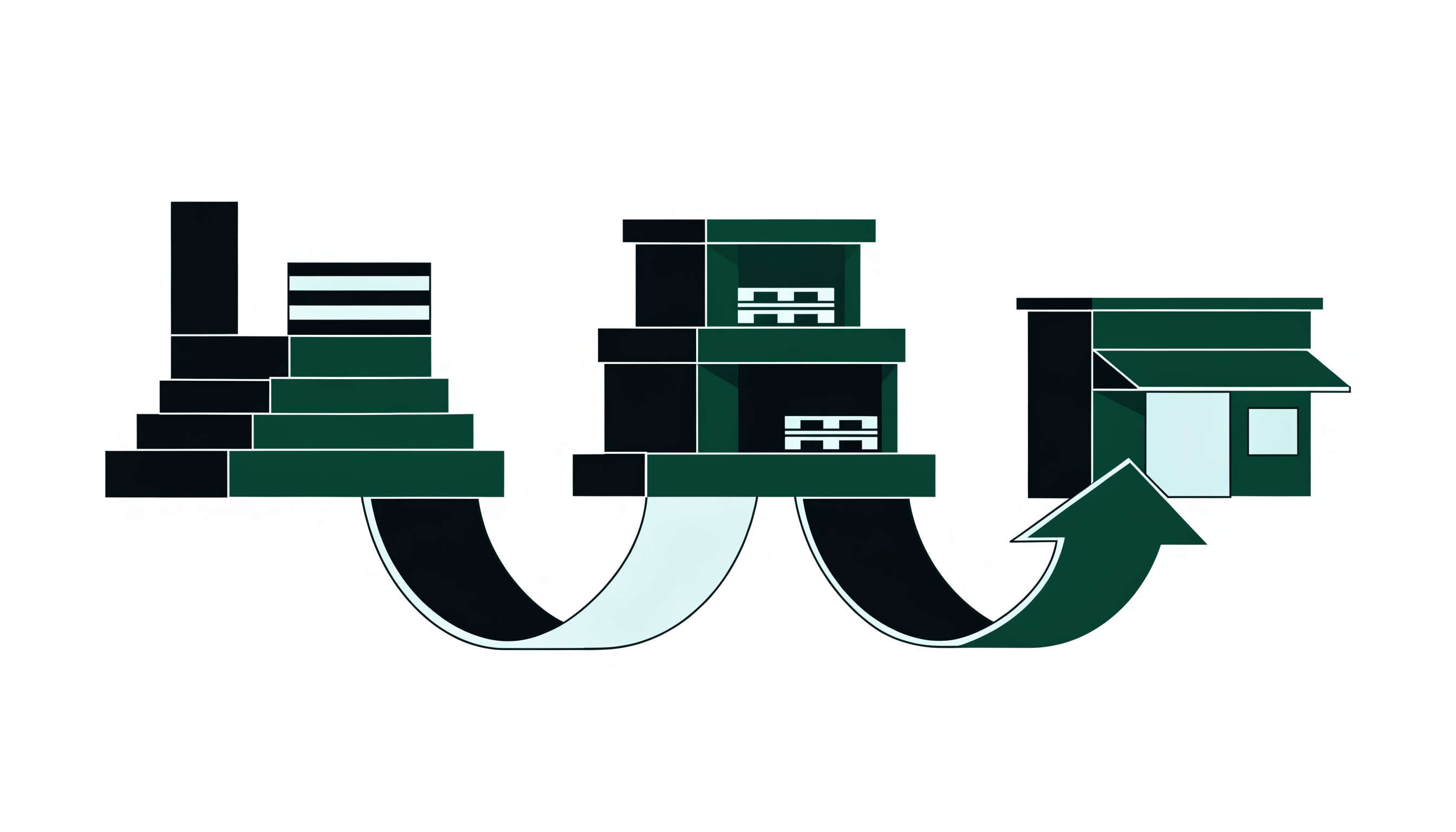
Almost every workable distributor pricing model uses the same mechanic. You publish one list price, then each buyer gets a fixed discount off that list. The number a distributor actually pays is its net price, and the gap between that net price and the list price is the room the distributor has to resell at a profit.
Step 1. Set one list price and price everything off it
Start with a single wholesale list price, published to every trade buyer, and treat it as the anchor for the whole structure. If you have not set one yet, work it out first with our guide to calculating a wholesale price, then come back.
A common anchor for consumer goods is a list price at 50 percent of MSRP. On a product with an MSRP of $24.00 and a landed unit cost of $6.00, that puts the wholesale list at $12.00 and leaves you a 50 percent gross margin before any distributor discount is applied.
Everything after this point is a percentage off that $12.00. One number to maintain, one number to update when costs move.
Step 2. Work out the margin floor before the discount
Most pricing damage happens because the discount was agreed first and the margin was calculated afterwards. Reverse it. Decide the lowest gross margin your business can operate at, then derive the deepest discount that still clears it.
The arithmetic is short. Divide your landed unit cost by one minus your target margin, and you get the lowest net price you can accept. At a $6.00 unit cost and a 35 percent margin floor, that is $6.00 divided by 0.65, or $9.23. Against a $12.00 list, $9.23 is roughly 23 percent off, so 23 percent is the deepest distributor discount on the table before you start losing money on service and freight.
Write that floor down. It is the one number you do not negotiate in a distributor meeting.
Step 3. Build the distributor tiers
Three or four tiers is usually enough. More than that and your sales team cannot quote from memory, which is its own kind of leak. Here is what the structure looks like carried through on the same $12.00 list and $6.00 unit cost, and it shows why the deepest tier has to be reserved for buyers who genuinely change your cost to serve.
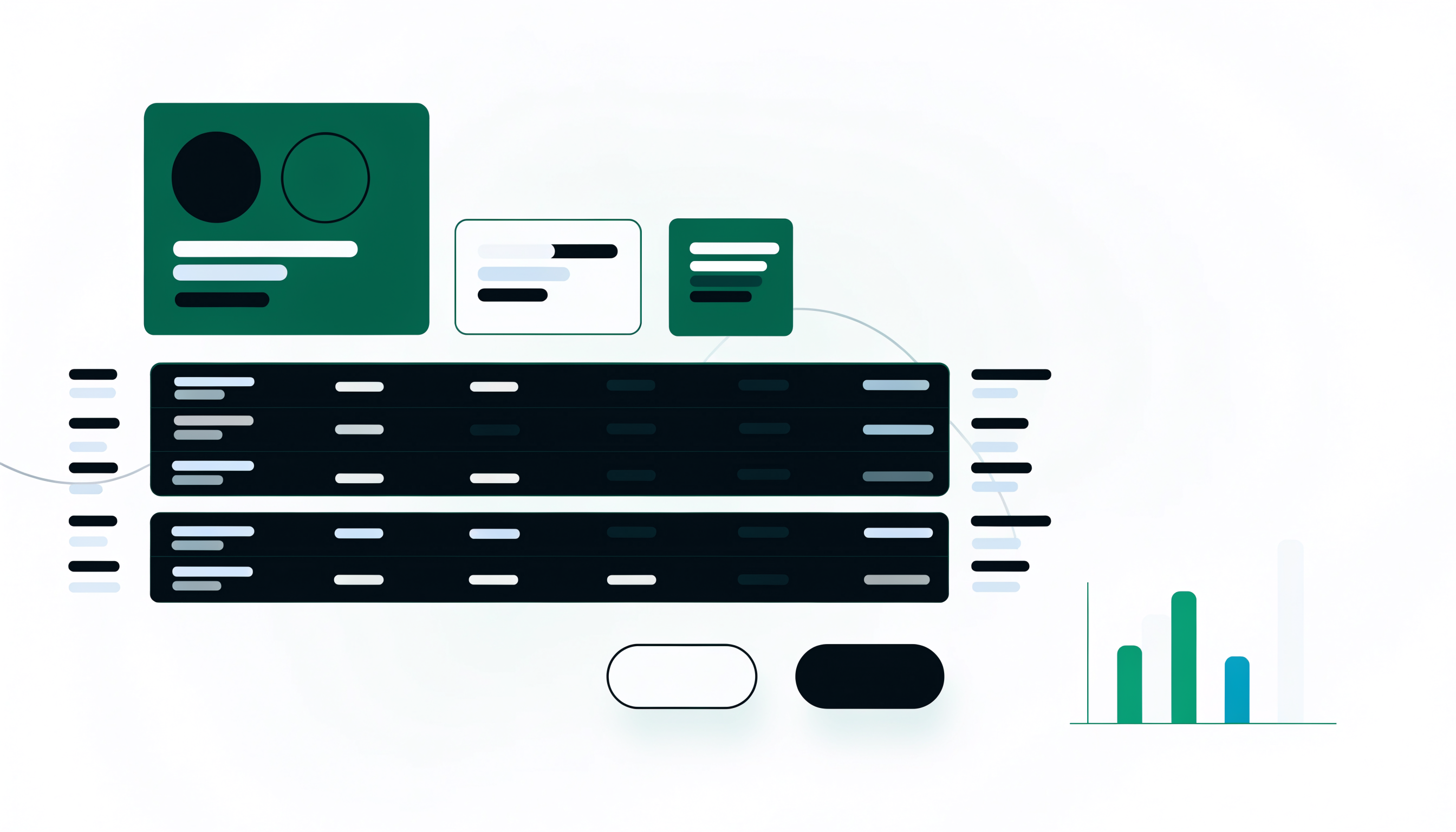
Read the table from the right-hand column, not the left. The published list price at $12.00 holds a 50 percent gross margin, which is what funds everything else in the structure. Tier 1 at 10 percent off gives a regional distributor a $10.80 net price and still leaves you 44.4 percent, so it is cheap to offer and a sensible default for a new account. Tier 2 at 18 percent off drops you to 39.0 percent, and that step only pays for itself if the distributor is genuinely buying full pallets and taking the warehousing cost off your books. The national contract row at $9.24 sits a whisker above the 35 percent floor from Step 2, which is exactly where a contract rate should sit: available, but only in exchange for a written volume commitment.
Check the distributor's side too. A tier 2 buyer at $9.84 reselling at your $12.00 list earns 18 percent on the resale, which is thin for an account that only ships boxes and healthy for one that carries receivables and services retailers for you.
Step 4. Decide what earns a better tier
A tier should be earned by something measurable, or it becomes a reward for whoever negotiates hardest. Three qualifiers hold up in practice:
- Volume. Annual units or annual spend, checked at renewal rather than assumed forever.
- Commitment. A signed minimum for the year, or a stocking agreement covering agreed SKUs.
- Role. Whether the account actually holds inventory, breaks bulk, and services smaller retailers for you.
Write the qualifier next to each tier in your price list. When an account asks for a deeper distributor discount, you are then comparing it against a published rule instead of defending a number. For the wider set of models these tiers can sit inside, including keystone, cost-plus, and negotiated contract pricing, see our wholesale pricing strategy guide.
Step 5. Protect the margin with MOQs, pack sizes, and freight
A distributor discount is priced on the assumption of bulk. If a tier 2 account can order six units and still pay $9.84, you have handed your deepest price to your most expensive order to fulfil.
Three guardrails do most of the work:
- Minimum order quantities per order or per SKU, set so the discount is only reachable at the volume it was priced for. Our guide to setting minimum order quantities covers how to pick the number.
- Pack and case sizes that force ordering in the units you actually ship, so nobody is picking singles out of a case at pallet pricing.
- Freight terms stated per tier. Free freight over a threshold is a discount, and it belongs in the margin math above, not in a side letter.
Resale price is the one lever you should be careful with. A minimum advertised price policy governs how your product is advertised, not what a distributor may charge, and the distinction matters legally. The FTC's guidance on manufacturer-imposed requirements is the plain-English starting point, and we cover the operational side in our MAP pricing guide.
Step 6. Publish the price list privately
Every distributor should see its own net price and nothing else. A shared PDF price list with four discount columns on it is an invitation for your tier 1 accounts to ask why they are not tier 2.
On Shopify this is a catalog and customer-group problem rather than a spreadsheet problem. Assign each account to a group, attach the tier to the group, and the storefront shows that buyer its own pricing after login. The step-by-step setup is in our walkthrough on setting up tiered wholesale pricing in Shopify, and PortalSphere handles the gating, the tier logic, and the MOQs together so the price a distributor sees is the price that is charged at checkout.
Two details matter on day one: hide prices from logged-out visitors so your distributor rates are not public, and keep tax exemption and net terms on the same account record as the tier. Our overview of B2B ecommerce for distributors covers the rest of the stack.
Step 7. Review the table on a schedule
Distributor pricing goes stale quietly. Landed costs drift, a tier 1 account quadruples its volume without moving tiers, and a contract rate signed two years ago becomes your best-selling price.
Put two dates in the calendar: a twice-yearly check of landed cost against every net price in the table, and an annual review of which accounts still qualify for their tier. Before you widen a discount to move stock, the US Census Bureau's Monthly Wholesale Trade report is a free read on where wholesale inventories-to-sales ratios sit.
When costs move, change the list price once and let the tier percentages recalculate the nets. That is the whole reason for anchoring on one list price in Step 1.
Frequently asked questions
How does distributor pricing work?
You publish one wholesale list price, then give each distributor a fixed percentage off that list based on its tier. The discounted figure is the distributor's net price, and the gap between that net price and the list price is the margin the distributor earns when it resells. Tiers are typically set by annual volume, a signed commitment, or the role the account plays in your channel.
What is distributor net price?
Net price is what the distributor actually pays per unit after its tier discount, before freight and taxes. On a $12.00 list price with an 18 percent tier discount, the distributor net price is $9.84. It is the number your margin math runs on, because list price is only a reference point once discounts are in play.
What is the difference between wholesale and distributor pricing?
Wholesale pricing is what a retailer pays to buy from you and sell to consumers. Distributor pricing is a deeper rate, usually 10 to 25 percent below the wholesale list, given to a business that buys in bulk, warehouses your product, and resells it to other businesses. The extra discount pays for the inventory risk and the distribution work you are no longer doing yourself.
How do I determine distributor pricing for a new product?
Work backwards from cost, not from what competitors charge. Divide your landed unit cost by one minus your target gross margin to get your floor net price, set the deepest tier at or just above that floor, then build the shallower tiers up in even steps. Confirm each net price still leaves the distributor room to resell profitably at your list price.
What margin should a product distributor make?
For consumer goods, distributors commonly work on 15 to 30 percent on resale, depending on how much service, warehousing, and credit they provide. If your tier leaves them under about 15 percent, expect the account either to push for a deeper discount or to prioritize a competing line. Model their margin alongside yours before you publish the tier, not after.
Can I tell my distributors what to charge for my product?
You can publish an MSRP as a recommendation and set a minimum advertised price policy, which governs how your product is advertised rather than the price a distributor is free to sell at. Dictating actual resale prices is legally riskier and varies by jurisdiction, so check the FTC guidance linked above and take legal advice before writing a resale price requirement into a distributor agreement.
Price every distributor tier automatically
PortalSphere applies each account's net price, MOQs, and pack sizes at checkout, so your distributor price list stays accurate without a spreadsheet.