B2B Ecommerce Platform: The Complete 2026 Buyer's Guide

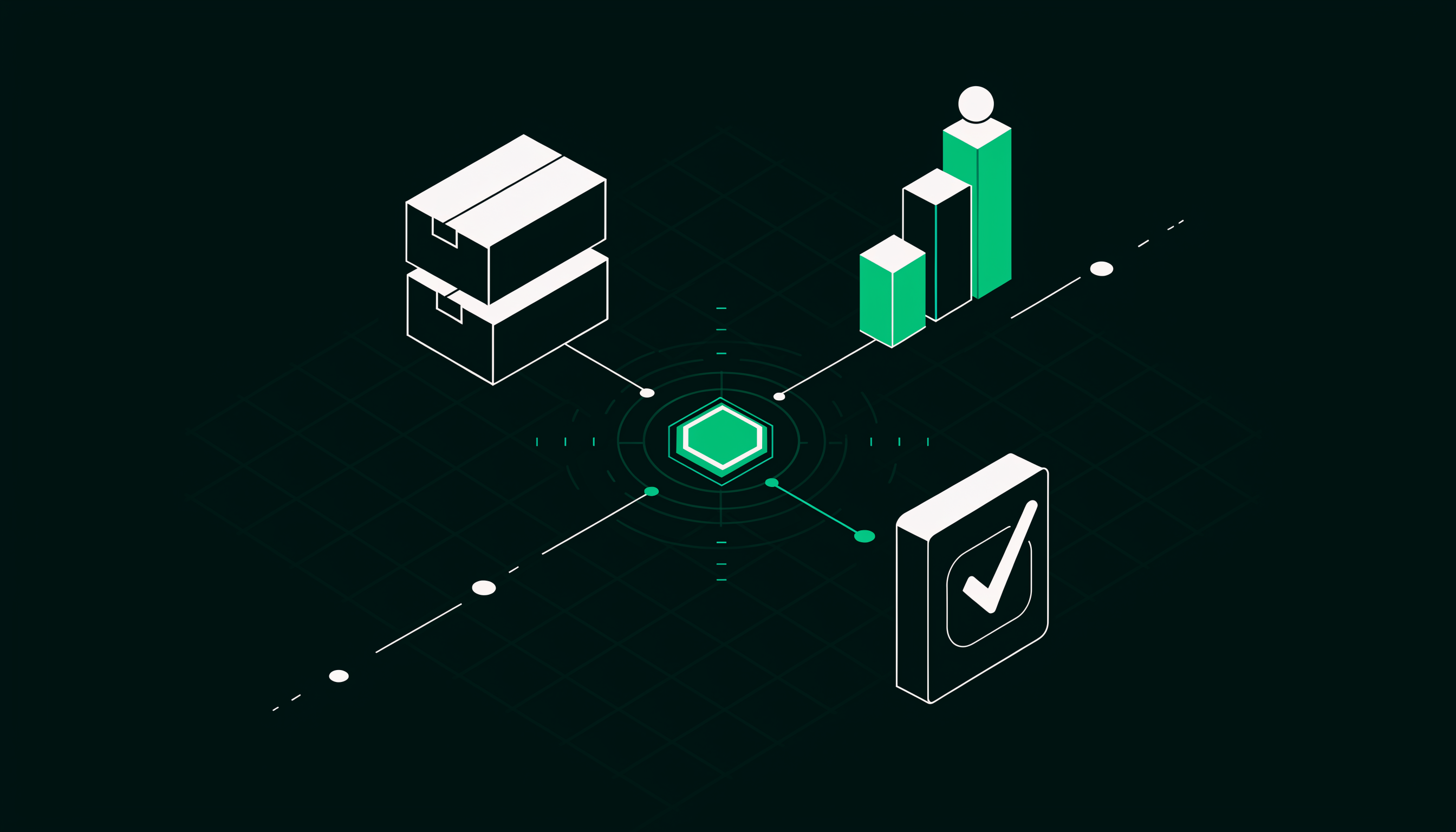
A B2B ecommerce platform is the software that lets you sell to other businesses online: gated catalogs, account-level and tiered pricing, minimum order quantities, net payment terms, and fast self-serve reordering. In 2026 there are four ways to get one. You can license an enterprise suite, move to a mid-market SaaS platform, list on a wholesale marketplace, or add a B2B layer to the store you already run. For most Shopify brands under roughly $200,000 a month in wholesale, the fourth option wins: Shopify now includes company profiles, payment terms and volume pricing on every plan, and an app fills the remaining gaps for $49 to $399 a month instead of a quarter-long replatform. Only reach for an enterprise suite when a workflow, not a feature, is what blocks revenue.
Key takeaways
- Every B2B ecommerce platform falls into one of four categories: enterprise suite, mid-market SaaS, wholesale marketplace, or an app layer on your existing store. Picking the right category matters more than picking the best product in the wrong one.
- Since April 2026, Shopify includes company profiles, payment terms, volume pricing and up to three B2B catalogs on Basic, Grow and Advanced. If your wholesale is simple, that may be all you need.
- The wall is the three catalog ceiling, plus no MOQ or pack-size enforcement and no built-in registration gate. Those three gaps are why most merchants add an app layer.
- Six capabilities decide a shortlist: account-level pricing, gated catalog, order rules, payment terms, reorder speed, and integration with your existing inventory.
- Replatforming puts your retail revenue, theme and rankings into a construction zone for a quarter to serve a channel that may be 10% of revenue. Adding a layer risks none of it.
In this article
- What is a B2B ecommerce platform?
- What are the four kinds of B2B ecommerce platform?
- Which capabilities actually decide your shortlist?
- What does Shopify include natively, and where does it stop?
- Which option wins for a Shopify brand?
- What does a B2B ecommerce platform cost in 2026?
- How do you avoid a replatform you will regret?
- Frequently asked questions
What is a B2B ecommerce platform?
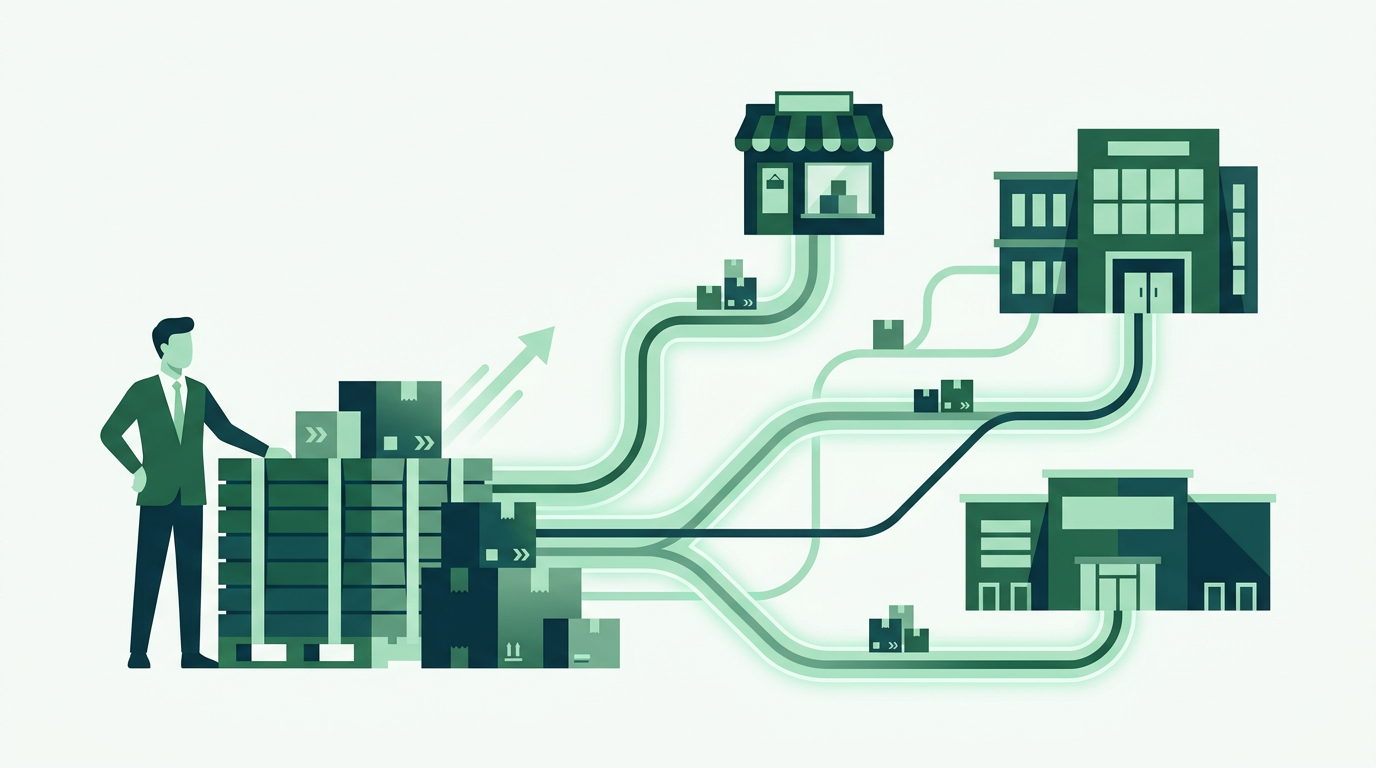
A B2B ecommerce platform is the software that lets one business sell to another online without a salesperson typing the order. It handles the things a retail storefront never has to think about: which buyer is allowed to see which products, what price each account pays, how few units they can order, how they pay, and how quickly they can reorder the same 40 SKUs they bought last month.
That last point is the one most buying guides underplay. A wholesale buyer is not browsing. They are a purchasing manager with a spreadsheet and a deadline, and the platform's real job is to get them from login to confirmed order in under two minutes. Everything else is in service of that.
The demand side has already moved. McKinsey's B2B Pulse research found buyers now interact with suppliers across ten or more channels, up from five in 2016, and that 65% of companies offer ecommerce, overtaking in-person selling at 53%. In the same research, 77% of B2B decision makers said they were willing to spend $50,000 or more through remote or self-serve channels, and 35% would go past $500,000. The buyer who used to email a purchase order now expects a login.
What has changed in 2026 is not whether you need a self-serve wholesale channel. It is how much software you have to buy to get one.
What are the four kinds of B2B ecommerce platform?
Almost every option on the market falls into one of four categories, and they differ by an order of magnitude in cost and in how long they take to launch. Getting the category right matters far more than picking the best product inside the wrong category.
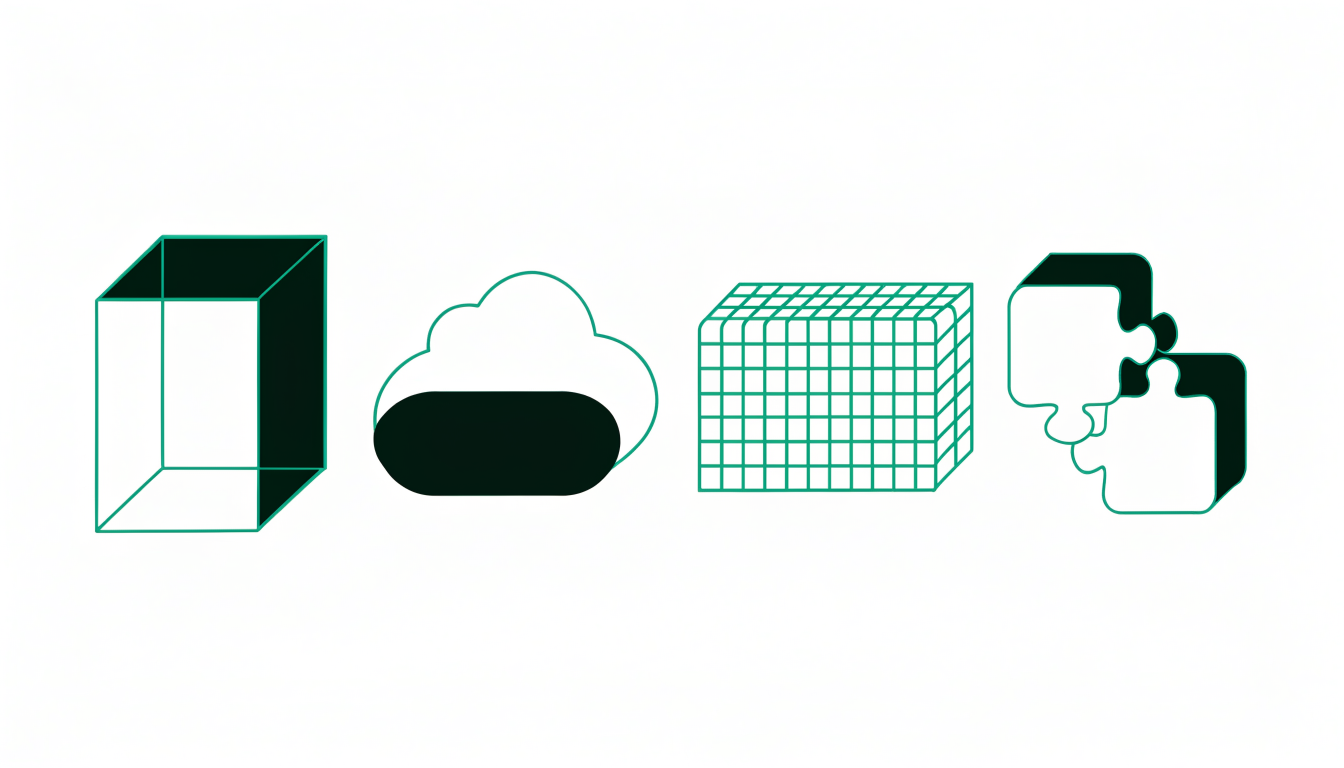
1. Enterprise B2B suites
OroCommerce, Adobe Commerce, Optimizely and their peers. These are built for complex, multi-entity distribution: quote workflows, configure-price-quote, account hierarchies with buyer approval chains, and deep ERP coupling. Pricing is quoted rather than published. OroCommerce, for example, states plainly that its pricing depends on deployment type, gross merchandise value and admin user count, and directs you to request a quote. Expect a licence in the tens of thousands per year plus an implementation partner, and a timeline measured in quarters.
They are the right answer for a distributor with 20,000 SKUs, regional pricing agreements and a bespoke ERP. They are an expensive answer for a brand selling 300 SKUs to 150 stockists.
2. Mid-market SaaS platforms
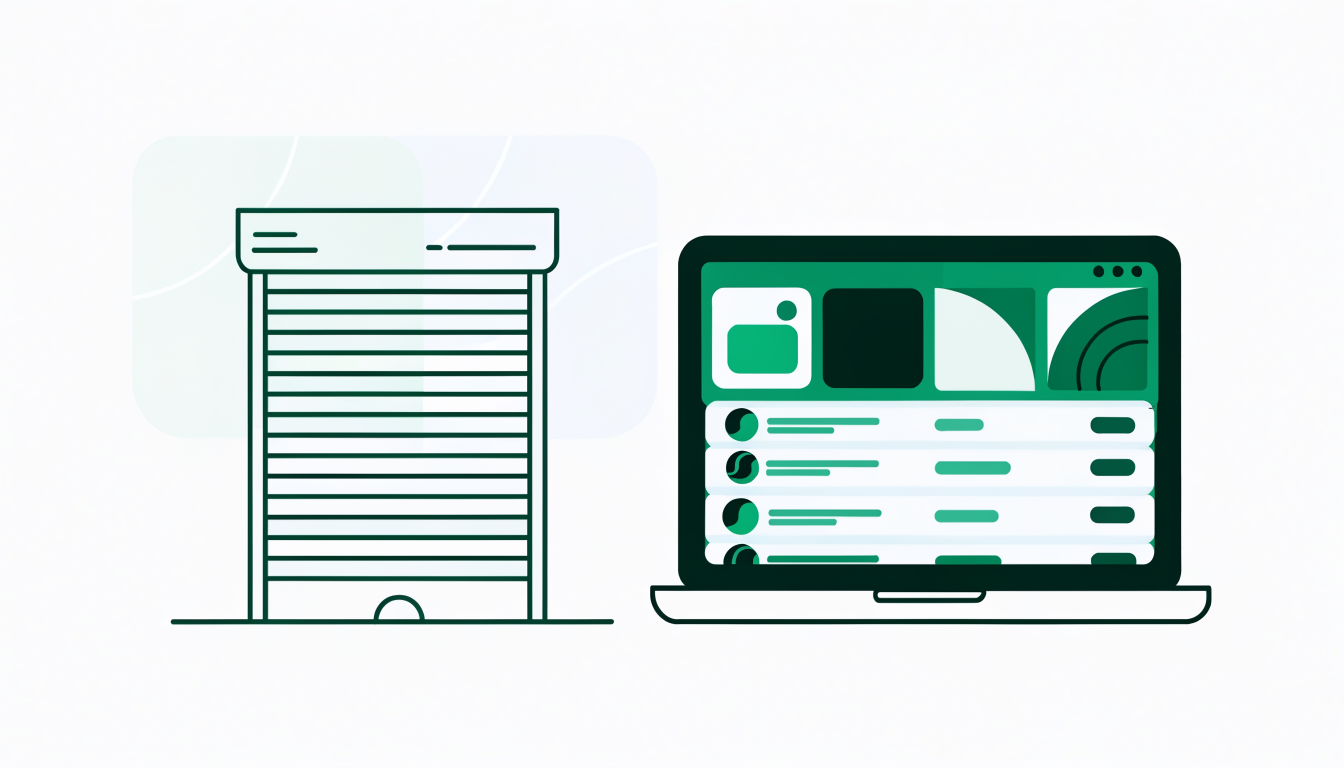
BigCommerce B2B Edition, Shopify Plus, and similar hosted platforms sit here. You get a hosted storefront with B2B capability included or bolted on, without hosting or patching anything yourself. The catch is that moving here from an existing store is a replatform: new theme, new integrations, new URL structure, and a migration of customers and order history.
Worth noting when you read vendor ROI claims: BigCommerce cites a 2025 IDC study reporting 391% ROI and a seven month payback for its B2B Edition, and that study was commissioned by BigCommerce. It is not fabricated, but it is not independent either. Treat every vendor-funded ROI figure as a ceiling, not a forecast.
3. Wholesale marketplaces
Faire, Abound, Ankorstore. Strictly speaking these are not platforms you operate, they are channels you list on. They are genuinely good at one thing: finding you buyers you did not have. They are poor at owning the relationship, because the commission continues indefinitely and the buyer belongs to the marketplace. Most brands that scale end up running both, using the marketplace for discovery and their own portal for repeat orders. We compared the economics in detail in Faire vs your own Shopify wholesale store.
4. A B2B layer on the store you already run
Instead of replacing your ecommerce platform, you add the B2B capability to it. Your Shopify store keeps its theme, its apps, its analytics and its SEO history, and a dedicated app supplies gated access, customer-group pricing, minimum order quantities, net terms and bulk ordering. This is the newest of the four categories and the one the enterprise vendors' buying guides tend to leave out, for obvious reasons.
It is not the right answer for everyone. If you need multi-warehouse allocation logic and a 12-step approval chain, you need category one. But for the majority of DTC brands adding wholesale, the app layer reaches parity on the features that actually get used, at roughly one percent of the cost.
Which capabilities actually decide your shortlist?
Vendor comparison pages list 60 line items. In practice, wholesale channels stall for one of six reasons. Score every option against these and ignore the rest until you have a winner.
- Account-level pricing. Not a single wholesale price list. Different prices for your top 10 stockists, your new accounts and your distributors, applied automatically at login. This is the number one reason spreadsheets survive longer than they should. Our walkthrough on tiered wholesale pricing on Shopify covers the mechanics.
- Gated catalog and hidden prices. Wholesale pricing that a retail customer can see is a MAP problem waiting to happen. You need registration, approval, and prices that stay invisible until an approved buyer logs in.
- Order rules. Minimum order quantities, minimum order values, and case or pack multiples. Without these, you will pick and pack a 3 unit order at wholesale margin and lose money on it.
- Payment terms. Net 30 is the price of entry with most retail buyers. If your platform cannot invoice, you will process those orders manually outside it, which defeats the point.
- Reorder speed. Order history, saved lists, bulk quantity entry by SKU, and CSV upload. Judge this by counting clicks from login to a 40 line order.
- Integration with what you already run. Your inventory, your accounting, your 3PL, and increasingly your ERP. A wholesale channel that does not write back to the same inventory pool creates oversells within a week.
Notice what is not on that list: headless architecture, AI copy generation, and composable everything. Those are real capabilities and they matter at scale. They are not why a wholesale launch fails in month two.
What does Shopify include natively, and where does it stop?
This is the single most out of date section in most B2B buying guides, and it changes the answer for a lot of brands.
On 2 April 2026, Shopify moved a block of B2B features off Plus and onto its standard plans. According to Shopify's own changelog, merchants on Basic, Grow and Advanced now get up to three active B2B catalogs assigned via Markets, company profiles, payment terms, volume pricing, ACH payments in the US, and vaulted credit cards, at no extra cost.
That is a meaningful floor. If you have a handful of wholesale accounts on broadly the same price list, you may not need to buy anything at all.
The wall arrives fast, though. The same changelog confirms that unlimited catalogs for customer-specific pricing, direct catalog assignment to companies and locations, partial payments and deposits remain exclusive to Plus. Three catalogs means three pricing structures. The fourth stockist who negotiates their own terms puts you over the line, and the jump from Advanced to Plus is a large one for a channel that may still be finding its feet.
Two other gaps are worth naming, because they are the ones merchants hit in practice. Native B2B has no built-in MOQ or pack-size enforcement, and gating the catalog behind a registration and approval flow still needs building. We break the full boundary down in Shopify B2B vs a wholesale app, and if you want the setup path without Plus, start with how to set up wholesale on Shopify.
Which option wins for a Shopify brand?
For a Shopify brand doing under roughly $200,000 a month in wholesale, the app layer wins on every criterion that decides a launch: time to live, account-level pricing, order rules, and cost. An enterprise suite only pulls ahead once you need quote workflows, buyer approval chains and multi-entity catalogs, and a marketplace only wins if what you actually lack is buyers rather than software.
Shopify plus a B2B app layer
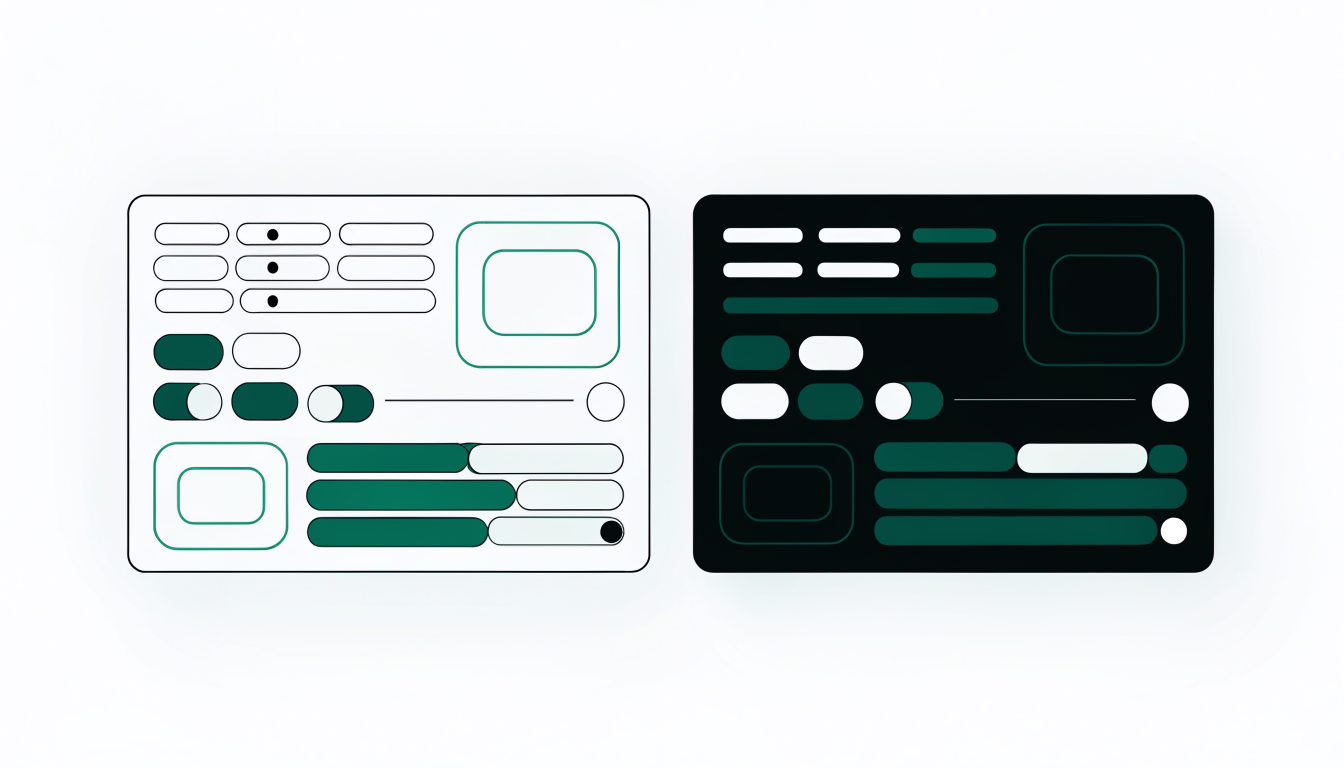
This wins for most brands because it removes the replatform from the equation entirely. Tiered pricing by customer group is unlimited rather than capped at three catalogs, so account number four does not force a plan upgrade. MOQs and pack sizing are enforced at the cart, which native Shopify B2B does not do at all. Gated access, hidden prices, net terms and tax exemption all work on standard Shopify plans. The trade-off is real but narrow: you will not get configure-price-quote or multi-step buyer approval chains.
Native Shopify B2B on a non-Plus plan
Genuinely the cheapest viable option if your wholesale is simple, because it costs nothing beyond the plan you already pay for. Company profiles, payment terms and volume pricing all work. It falls over on three specific things: the three catalog ceiling, no MOQ or pack-size enforcement, and no built-in registration and approval gate. If none of those three describe your business, stop reading and go use it.
Enterprise B2B suite
Wins clearly when complexity is the actual problem. Multi-entity catalogs, quote workflows, buyer approval hierarchies and deep ERP coupling are what these systems exist for, and no app layer replicates them. The cost is that pricing is quote-only so you cannot budget the decision in advance, and the migration is a replatform with a timeline in quarters rather than days. If your wholesale revenue does not yet justify a dedicated implementation budget, this is the wrong category and not merely the expensive one.
Wholesale marketplace
Wins on exactly one criterion, and it is often the one that matters most early: it brings you buyers you would not otherwise reach. It loses on everything structural. You do not set the pricing logic, you do not own the buyer relationship, and the commission does not stop after the first order. Use it for discovery, then move repeat accounts onto your own portal.
What does a B2B ecommerce platform cost in 2026?
Published prices are rare in this category, which is itself informative. Here is what you can actually budget against.
App layer on Shopify. PortalSphere publishes four tiers banded by wholesale revenue: Starter at $49 a month under $25,000 a month, Grow at $99 up to $50,000, Pro at $199 up to $100,000, and Scale at $399 up to $200,000. Every tier includes a 14 day free trial. Add your existing Shopify plan and that is the whole bill.
Native Shopify B2B. Zero incremental cost on Basic, Grow or Advanced, within the three catalog limit. The real cost is the Plus upgrade you eventually need if your pricing structures multiply, which is a different order of magnitude.
Enterprise suite. Licence plus implementation plus ongoing development. Vendors in this tier generally will not publish a number, and OroCommerce is explicit that the figure depends on deployment type, GMV and admin user count. Budget for an implementation partner as a line item of its own, not a rounding error.
Marketplace. No software cost, a commission on every order, forever. Cheap to start and the most expensive of the four at volume.
The number that actually decides this is not the monthly fee. It is the cost of the manual work you are trying to delete. If two people spend six hours a week rekeying wholesale orders from email, that is roughly 600 hours a year, and every one of those hours is a chance to ship the wrong quantity at the wrong price.
How do you avoid a replatform you will regret?
Replatforming is the most expensive mistake available in this category, and it is usually made for a reason that turns out to be solvable in place. Three questions in order will get most brands to the right answer.
First: how many distinct price structures do you actually need? Not customers, structures. If the answer is three or fewer and you do not need order minimums, native Shopify B2B covers you today at no extra cost. If it is four or more, or you need MOQs and pack sizes, you need something on top, and an app layer is far cheaper than a platform move.
Second: is your blocker a feature or a workflow? Missing features get added. Broken workflows, such as a buyer approval chain across three departments or country-specific catalogs with their own tax logic, are architectural and are what enterprise suites are genuinely for.
Third: what happens to your retail business during the migration? This is the question that gets skipped. A replatform puts your DTC revenue, your theme, your app stack and your organic rankings into a construction zone for a quarter or more, all to serve a channel that may be 10% of revenue today. Adding a layer to a working store risks none of it. If you want both channels in one place, running B2B and B2C in one Shopify store covers how that works in practice.
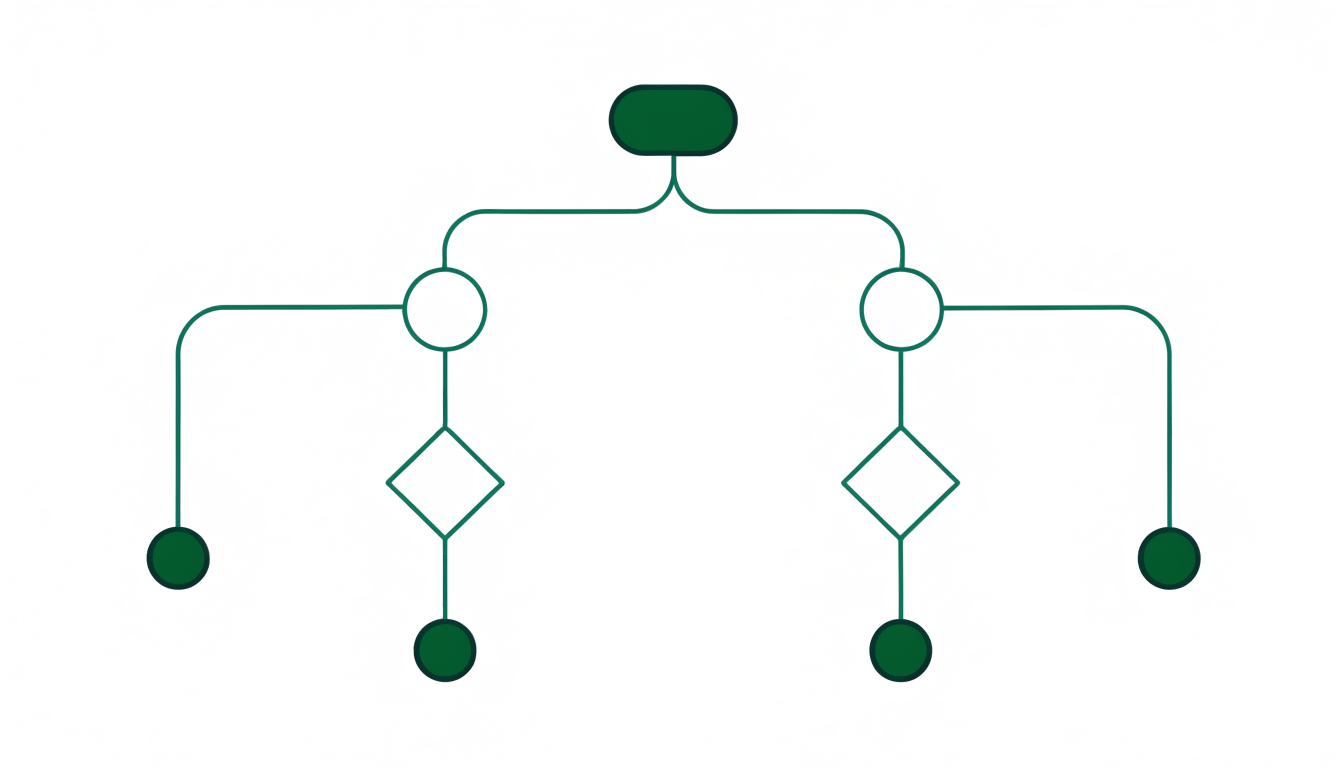
A sensible sequence for most brands: start native, add an app layer when you hit the catalog ceiling or need order rules, and only consider an enterprise suite when a specific workflow, not a specific feature, is the thing blocking revenue. For a broader survey of the category, see our overview of B2B ecommerce solutions, and for the app-level detail, B2B wholesale software compared.
Frequently asked questions
What is a B2B ecommerce platform?
A B2B ecommerce platform is software that lets a business sell to other businesses online, handling the requirements retail storefronts do not have: gated catalogs that only approved buyers can see, different prices for different accounts, minimum order quantities and pack sizes, invoiced payment terms such as net 30, tax exemption for resellers, and fast reordering from order history. It can be a standalone platform, a capability built into your existing ecommerce platform, or an app layer added on top of it.
Do I need a separate B2B ecommerce platform if I already use Shopify?
Usually no. Since April 2026, Shopify includes company profiles, payment terms, volume pricing and up to three active B2B catalogs on Basic, Grow and Advanced plans. If your wholesale is simple, that is enough on its own. You need something extra when you pass three distinct pricing structures, or when you need minimum order quantities, pack sizing, or a gated registration and approval flow, none of which native B2B enforces. An app layer covers those without replatforming.
Does PortalSphere support MOQs and pack sizing?
Yes. PortalSphere enforces minimum order quantities, minimum order values and case or pack multiples at the cart, so an order that breaks your wholesale rules cannot be submitted rather than being caught later by a human. Native Shopify B2B does not include this, which is one of the most common reasons merchants add an app layer. The step by step setup is covered in our guide to minimum order quantities on Shopify wholesale.
How much does a B2B ecommerce platform cost?
It spans three orders of magnitude. An app layer on an existing Shopify store runs from $49 to $399 a month depending on wholesale revenue. Native Shopify B2B adds nothing to your existing plan. Enterprise suites are quote-only, priced on deployment type, gross merchandise value and admin users, and carry a separate implementation cost. Marketplaces charge no software fee and take a commission on every order indefinitely.
How long does it take to launch a wholesale channel?
On an existing Shopify store with an app layer, days. Pricing tiers, gated access and order rules are configuration rather than development, and PortalSphere's onboarding sets it up on a draft version of the store before anything goes live. An enterprise replatform is realistically a quarter or more once discovery, migration, theme work and integration testing are counted.
Can I offer net 30 terms without moving to Shopify Plus?
Yes. Payment terms are among the B2B features Shopify moved to standard plans in April 2026, and an app layer can also invoice approved accounts with net terms while keeping card checkout for everyone else. What remains Plus-only is partial payments and deposits. Our guide on offering net 30 terms on Shopify wholesale walks through the approval and credit-limit side.
Add wholesale without changing platforms
Unlimited customer-group pricing, MOQs, gated catalogs and net terms inside the Shopify store you already run. 14 day free trial, no credit card, and a specialist sets it up on a draft store first.