9 B2B Ecommerce Examples (and What Each Gets Right)

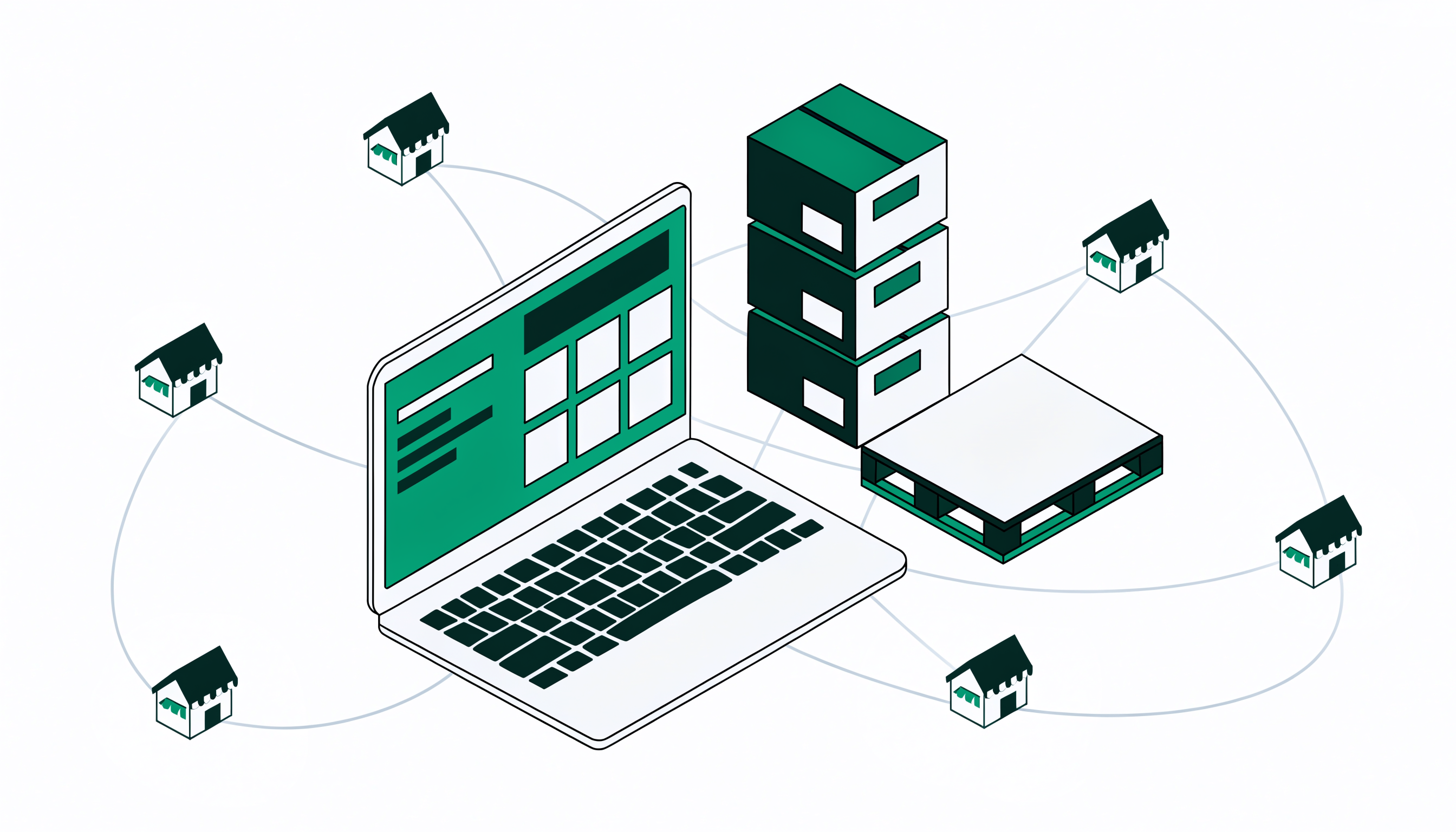
The B2B ecommerce examples worth studying fall into three groups. Marketplaces such as Amazon Business, Alibaba.com and Faire win on discovery and scale. Distributors such as Grainger and Ferguson win on account pricing and channel continuity. Shopify brands such as Kulani Kinis, AMR Hair and Beauty, Laird Superfood and Saddleback run gated wholesale portals alongside their DTC stores. The pattern underneath all nine is identical: a gated catalog, tiered pricing by customer group, enforced minimums, net terms and one-click reordering. You do not need a marketplace or a six-figure replatform to copy it, because every one of those mechanics runs on a standard Shopify store with a B2B app.
Key takeaways
- Marketplaces buy you discovery; your own portal buys you margin and the customer relationship. Most brands eventually run both.
- Every strong B2B ecommerce example enforces pricing, minimums and terms in the system rather than in a rep's inbox.
- The published Shopify results are concrete: Kulani Kinis grew B2B customers 300%, AMR Hair and Beauty tripled sales and lifted B2B AOV 77%, Laird Superfood saved an estimated $50,000 to $60,000 a year.
- Self-serve reordering is the least glamorous and most reliable win, because it moves routine orders off your sales team.
- None of it requires a replatform. Gated catalogs, tiered pricing, MOQs and net terms all run on a standard Shopify store.
Nobody launches a wholesale channel in a vacuum. The fastest way to design one is to look at what already works, then copy the mechanics rather than the aesthetics. Below are nine B2B ecommerce examples worth studying, from $60 billion marketplaces to Shopify stores run by teams of four, with the specific thing each one gets right.
In this article
- What makes a good B2B ecommerce example?
- 1. Amazon Business
- 2. Alibaba.com
- 3. Faire
- 4. Grainger and Zoro
- 5. Ferguson
- 6. Kulani Kinis
- 7. AMR Hair & Beauty
- 8. Laird Superfood
- 9. Saddleback
- What they have in common
- How to copy this on Shopify
- FAQ
What makes a good B2B ecommerce example?
Not every large B2B site is worth imitating. The ones below clear three bars: a buyer can complete a real order without emailing a rep, the system enforces pricing, minimums and payment terms rather than a person checking a spreadsheet, and the results are published somewhere you can verify. That last bar matters, because plenty of B2B ecommerce examples circulating online are invented composites. Every one here points at a public source.
1. Amazon Business: consumer-grade buying at procurement scale
Amazon Business reached $60 billion in annualized gross sales serving more than 11 million organizations, with 1.8 million joining in the first half of 2026 alone. What it gets right is expectation setting: it taught a generation of buyers that business purchasing should feel like consumer purchasing. Saved payment methods, approval routing, order history and one-click reordering are now the baseline, not a differentiator.
The lesson is not to compete on selection. It is that your wholesale buyers arrive already trained by this experience, and a PDF order form feels prehistoric by comparison.
2. Alibaba.com: trust as a product feature
Alibaba.com serves more than 40 million registered buyers across 200 plus countries, and its most interesting design choice is not the catalog. It is Trade Assurance, an escrow layer that holds funds until delivery is confirmed, backed by third-party supplier verification.
Cross-border B2B fails on trust before it fails on price, so Alibaba productized trust. Your own equivalent is smaller but just as important: clear lead times, published minimums, a real returns policy, and a credit application a new stockist can actually finish.
3. Faire: discovery and terms bundled together
Faire lists 100,000 brands with retailers in 70,000 cities. Independent retailers use it because it solves two problems at once: finding new brands, and buying from them on terms that protect cash flow.
That bundle is the pitch and the trade-off. Discovery is genuinely valuable early on, but it costs commission on repeat orders and a thinner buyer relationship. Most brands that grow past the early stage run both: the marketplace for discovery, their own portal for accounts that reorder.
4. Grainger and Zoro: two buying models, one company
Grainger closed 2025 with $17.9 billion in net sales, and its Endless Assortment segment (Zoro and MonotaRO) grew 15.7% on a daily organic constant currency basis, well ahead of the group.
What Grainger gets right is refusing to force one model on every buyer. High-touch accounts get contract pricing and a rep. Everyone else gets a fast, self-serve site with no negotiation. Most brands try to serve both through one awkward flow. Grainger built two front doors.
5. Ferguson: the counter and the site are one channel
Ferguson reported $31.3 billion in calendar 2025 net sales, selling to trades who often start an order on a phone at a job site and finish it at a branch counter.
The thing to copy is continuity: account pricing, order history and saved lists follow the buyer across every channel. If a wholesale customer gets one price by email and a different one when they log in, you have not built a channel, you have built two systems that disagree.
6. Kulani Kinis: a separate B2B storefront, same back office
Swimwear brand Kulani Kinis built a dedicated B2B storefront carrying more than 800 products with size-availability sliders and bulk add to cart, and grew its B2B customer base by 300%.
The detail worth stealing is the size slider. Apparel buyers order by size curve, not by unit, and a DTC product page makes that painful. Purpose-built B2B merchandising is not cosmetic. Our guide for apparel brands selling wholesale on Shopify covers pack sizing in more depth.
7. AMR Hair & Beauty: search that survives a 6,000-SKU catalog
AMR Hair & Beauty moved a catalog of more than 6,000 SKUs to Shopify behind a password-protected B2B portal with custom pricing, then tripled sales and lifted B2B average order value by 77%.
Two mechanics did the work: gated access, so trade pricing is never visible to retail shoppers, and search built for buyers who arrive with a list rather than browsing. If you sell more than a few hundred SKUs, read our walkthrough on hiding prices until a buyer logs in and the beauty and personal care wholesale guide.
8. Laird Superfood: self-serve reordering that frees the sales team
Laird Superfood put its wholesale accounts on a self-serve portal and reported 15% month over month sales growth alongside an estimated $50,000 to $60,000 in annual savings. Snyder Performance Engineering, on the same platform, cut back-office work by 25%.
This is the least glamorous and most reliable win in B2B ecommerce. Once buyers can log in, see their price and repeat last month's order, your sales team stops doing data entry and starts opening accounts.
9. Saddleback: dealer tiers and credit limits inside checkout
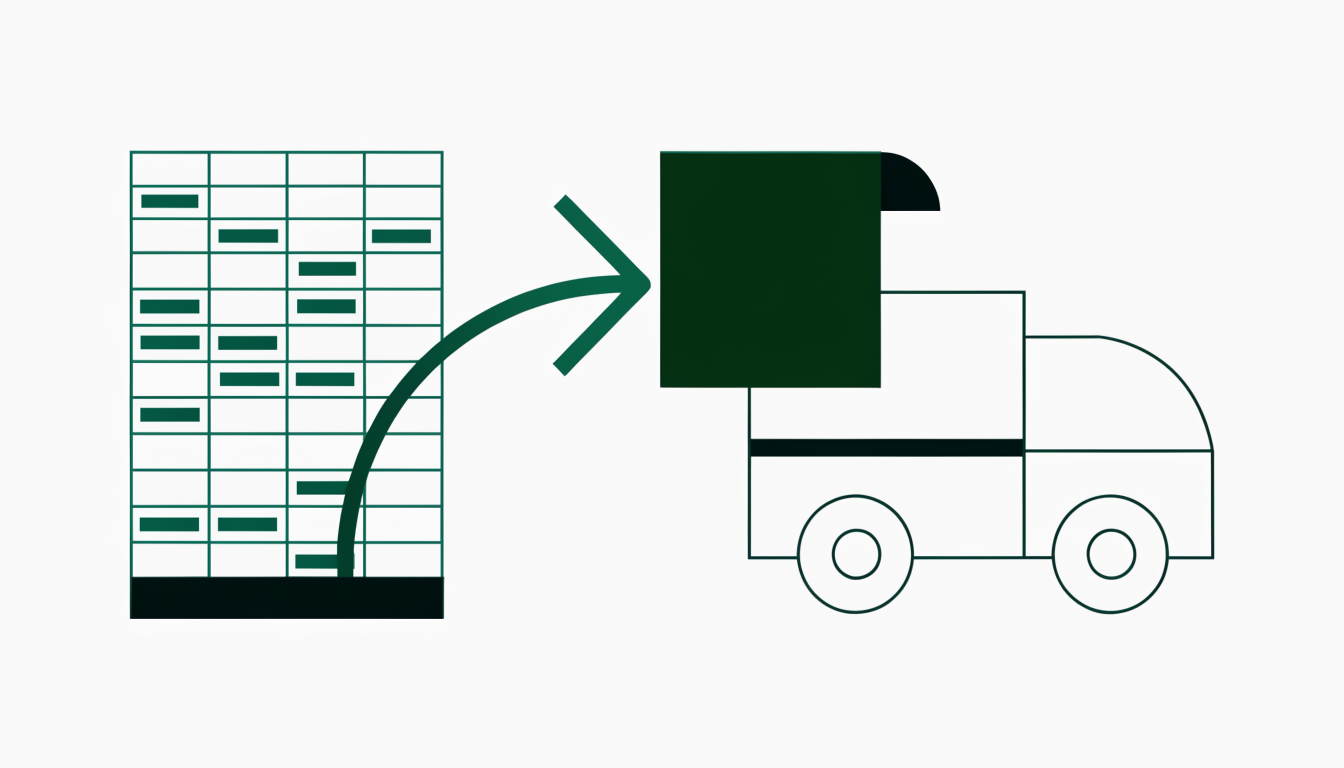
UK cycling distributor Saddleback built a gated dealer portal on Shopify Plus with three pricing tiers (gold, silver and bronze), a credit balance that decreases as items are added to the cart, and CSV upload for bulk ordering. In the first month it recorded a 704% traffic increase and 881% sales growth, and the site won B2B Website of the Year at the UK Digital Growth Awards in 2021.
The credit balance is the standout. Most stores treat credit as an accounting detail that surfaces after the order. Saddleback put it in front of the buyer at the moment of decision, which removes a common reason wholesale orders stall. See our guide to net 30 terms on Shopify.
What do these B2B ecommerce examples have in common?
Marketplaces win on discovery, your own store wins on control and margin, and the capability gap between them is narrower than most merchants assume. Here is how the three routes compare on the mechanics that decide whether a wholesale order completes.
Read the table as a sequencing decision rather than a verdict. A marketplace is the only one of the three that brings you buyers you did not already have, which is why Faire works so well for a brand in its first year of wholesale. It is also the only one that takes a cut of every repeat order and keeps the buyer relationship at arm's length. A legacy distributor build gives you full control and typically costs six figures and several months. Running wholesale on your existing Shopify store with a B2B app lands in between: tiered pricing by customer group, a gated catalog with hidden prices, MOQs and pack sizing and net terms at checkout all work natively, on the storefront and inventory you already maintain, with no commission on the accounts that reorder.
How do you copy this on Shopify?
Every mechanic above reduces to five things, and none of them requires a replatform:
- Gate the catalog. Trade prices should be invisible until an approved buyer logs in.
- Price by customer group. Set tiered wholesale pricing once, then let it apply itself.
- Enforce minimums in the cart. MOQs and pack sizes belong in the system, not in a footnote on your line sheet.
- Offer terms at checkout. Net 30 is table stakes for stockists with a purchasing department.
- Make reordering one click. This is where the Laird Superfood style savings come from.
PortalSphere does all five on the store you already run, which is why brands in home goods, food and beverage and health and wellness use it to run B2B and B2C side by side. If you are still comparing approaches, start with our overview of B2B ecommerce solutions.
Frequently asked questions
What is an example of B2B ecommerce?
Amazon Business is the largest, at $60 billion in annualized gross sales across more than 11 million organizations. At a smaller scale, a swimwear brand like Kulani Kinis running a gated wholesale storefront with 800 products alongside its DTC store is just as much a B2B ecommerce example, and closer to what most Shopify merchants are actually building.
What are the four types of B2B ecommerce?
The common split is B2B2C (selling through a partner who reaches the end consumer), wholesale (selling in bulk to retailers who resell), manufacturer to distributor, and distributor to retailer. Marketplaces such as Faire and Alibaba.com sit across several of these at once, which is why buyers use them alongside, not instead of, direct supplier portals.
Can I run B2B and B2C on the same Shopify store?
Yes. Customer groups, gated pricing and separate catalogs let one store serve both, so you keep a single inventory and a single set of product data. That is the setup most of the Shopify examples above use, and it avoids the reconciliation problems that come with running two stores.
Do I need a marketplace like Faire to sell wholesale?
No, and most established brands eventually run both. A marketplace is a discovery channel: useful for finding stockists you would not otherwise meet. Once an account reorders regularly, moving it to your own portal removes the commission and gives you the buyer relationship and the order data.
How much traffic do wholesale portals actually get?
Saddleback recorded a 704% traffic increase and 881% sales growth in the first month after launching its dealer portal, largely because existing stockists moved from email and phone orders to self-serve. Wholesale portal traffic is usually not new demand, it is existing demand becoming measurable.
Copy what the best B2B ecommerce examples get right
PortalSphere turns your Shopify store into a wholesale portal: tiered pricing, gated catalogs, MOQs, pack sizing and net terms. 14-day free trial, free onboarding, no credit card.