AI in B2B Ecommerce: 8 Real Uses in 2026

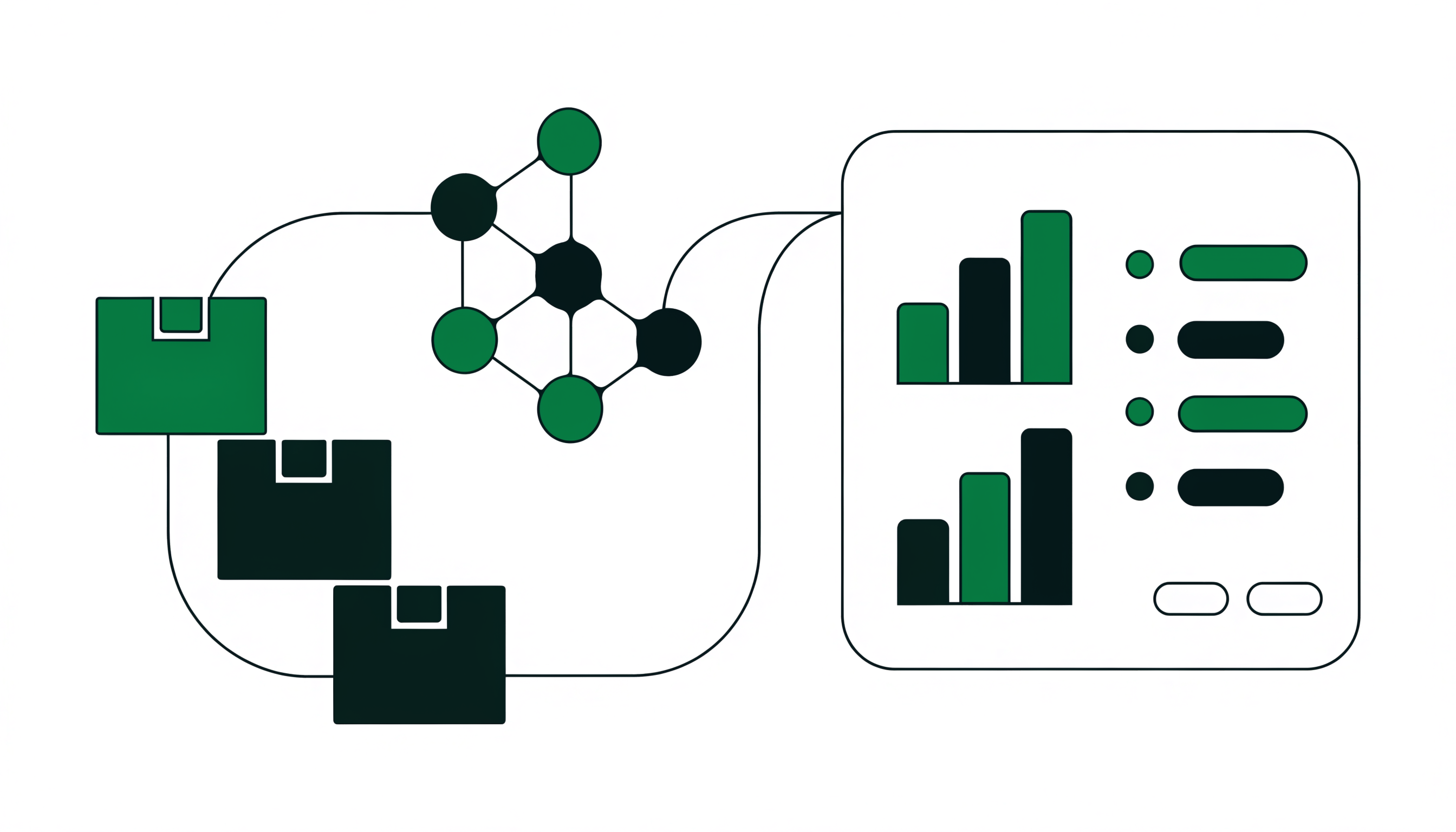
AI in B2B ecommerce is being used for repetition, not discovery. The eight uses that reliably work in 2026 are reorder prediction from purchase history, extracting orders from emailed POs and spreadsheets, faster quote and RFQ turnaround, semantic search that understands SKUs and pack sizes, catalog data enrichment, margin guardrails on discounting, deflecting order-status support tickets, and publishing structured catalog data to AI buying surfaces. All eight depend on the same prerequisite: your B2B rules, tier pricing, MOQs and order history held as structured data rather than spreadsheets and inbox threads. Around 80% of manufacturers and distributors have deployed AI somewhere in the business, but only about 17% say it is working well, and the gap is almost always data readiness rather than model quality.
Key takeaways
- Wholesale AI pays off on repetition: reorders, order capture, quotes and support, not on recommending products.
- Order capture from emailed POs and reorder prediction give the fastest payback for most Shopify wholesale brands.
- Keep a human approval step on anything a model extracts or writes, especially quantities and product specs.
- Structured product data is now a distribution asset: Shopify Catalog and the Universal Commerce Protocol can only publish what your catalog actually contains.
- If tier pricing, MOQs and order history live in spreadsheets, there is nothing for a model to read. Fix the data layer first.
In this article
- Why AI in B2B ecommerce works differently from B2C
- 1. Predicting the next reorder
- 2. Turning emailed POs into real orders
- 3. Quote and RFQ turnaround
- 4. Search that understands SKUs and pack sizes
- 5. Catalog and product data enrichment
- 6. Margin-aware pricing guardrails
- 7. Deflecting the "where is my order" queue
- 8. Getting your catalog into AI buying surfaces
- What has to be in place first
- FAQ
Why AI in B2B ecommerce works differently from B2C
Retail AI optimizes discovery. A shopper does not know what they want, so the model recommends. Wholesale buyers usually know exactly what they want: the same 40 SKUs, in their pack size, at their tier price, on their terms. The work is not persuasion, it is repetition, and repetition is where models earn their keep.
The demand is real. McKinsey's 2026 B2B Pulse survey found 73% of B2B buyers are now comfortable placing orders over $50,000 online, up from 59% in 2022, while 22% of B2B companies have fully implemented generative AI and another 31% are actively adopting it. Market leaders are twice as likely to have adopted it as everyone else.
Adoption is not the same as results. Oro's 2026 roundup of AI in B2B commerce reports that around 80% of surveyed manufacturers and distributors have deployed AI somewhere in the business, but only 17% say it is working well. The eight uses below are the ones that land, because each one attaches to a repeatable wholesale task rather than a demo.
1. Predicting the next reorder
Every wholesale account has a rhythm. A cafe group orders every 18 days, a boutique reorders its two best sellers a week before the season turns. A model trained on order history spots the gap between the expected reorder date and today, and flags the account before the rep does.
Used well, this becomes a pre-filled cart waiting in the buyer's portal, not a cold email. The buyer edits quantities and checks out. The lift comes from removing the blank order form, which is the single slowest step in a repeat wholesale purchase.
Start with accounts that have at least six months of order history. Anything thinner and you are guessing with extra steps.
2. Turning emailed POs into real orders
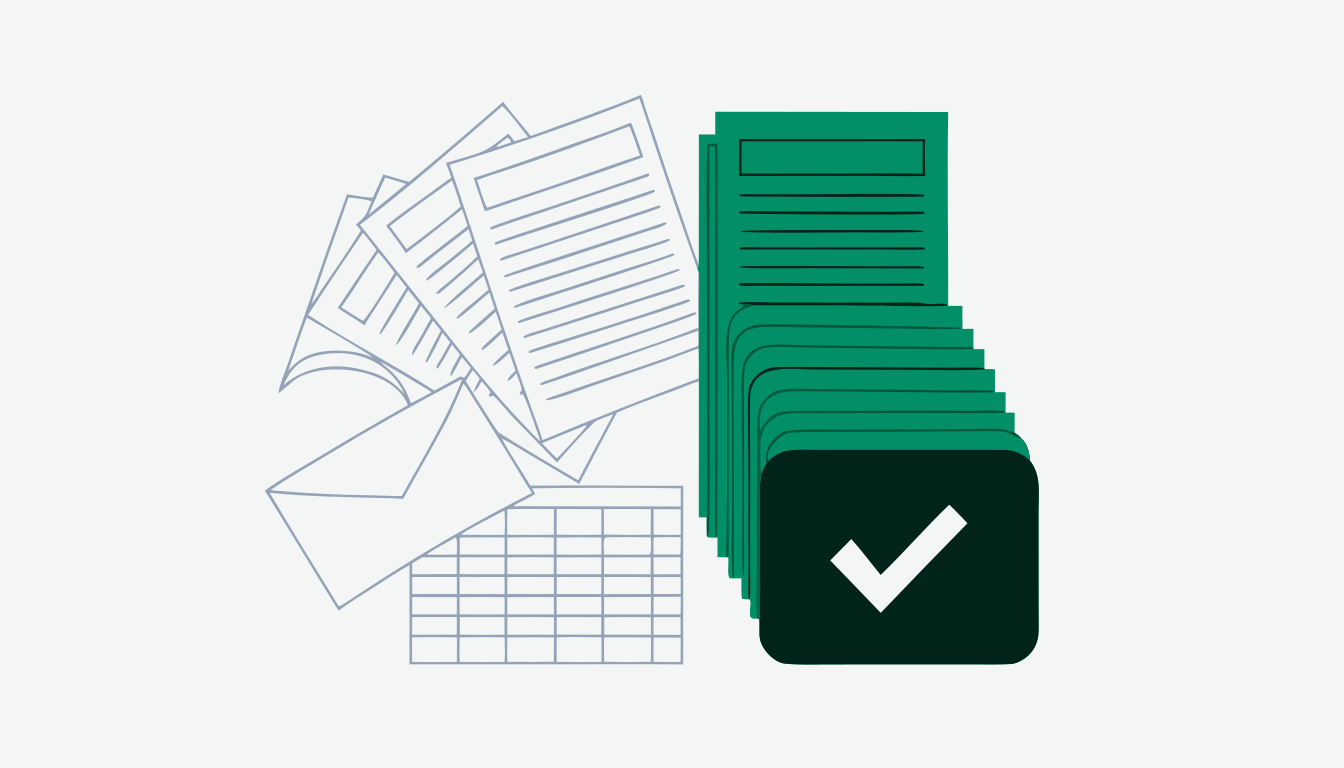
Most brands running wholesale still receive orders as PDFs, photographed order forms, and spreadsheets with the columns in a different order every time. Someone on the ops team retypes them. Document extraction models are now good enough to read those files, map free-text descriptions to SKUs, and push a draft order for a human to approve.
The approval step matters. Auto-committing an extracted order is how a misread quantity becomes a 10x shipment. Treat the model as the typist and keep a person as the checker.
This is usually the fastest payback of anything on this list, because the cost it removes is measured in hours per week and mis-keyed line items. The better long-term fix is to move buyers onto a self-serve wholesale order form so there is no document to read at all.
3. Quote and RFQ turnaround
Quotes stall on the same three questions: what price does this account get, what is the lead time, and what happens to freight. When tier rules, MOQs and shipping logic live in a structured system rather than a rep's head, a model can assemble a draft quote in seconds and route only the exceptions to a human.
The realistic target is not zero-touch quoting. It is cutting a two-day turnaround to two hours on the 70% of requests that are standard, so your team spends its attention on the 30% that involve a negotiation.
4. Search that understands SKUs and pack sizes
B2B search queries are ugly. Buyers type part numbers, internal nicknames, half a SKU, or "the 12 pack of the lavender one". Keyword search returns nothing and the buyer emails the rep instead, which is the failure mode you were trying to remove.
Semantic search handles the mess: it maps "lavender 12ct" to the right variant, tolerates typos in part numbers, and can filter to what that customer group is actually allowed to buy. On a catalog above roughly 500 SKUs this is one of the highest-value upgrades available, and it compounds with buyer-specific catalogs.
5. Catalog and product data enrichment
Wholesale catalogs are notoriously thin. Products carry a name, a case pack and a price, and nothing else, because the catalog was built for a rep who already knows the line. That thinness now costs you twice: buyers cannot self-serve, and AI systems cannot describe what you sell.
Generative models are genuinely good at drafting spec tables, case dimensions, materials, and comparison copy from your existing product data. They are also good at confidently inventing a certification you do not hold, so every enriched field needs a review pass before it goes live. Draft with the model, publish with a human.
6. Margin-aware pricing guardrails
Dynamic pricing gets oversold in wholesale, because contract pricing and MAP agreements limit how much you can move. What does work is the guardrail version: a model that watches quoted discounts against landed cost and flags when a rep is about to approve a tier that loses money, or when a customer group's pricing has drifted below what your freight now costs.
Set the rules first and let the model police them. If your tiered wholesale pricing lives in spreadsheets, there is nothing for a model to enforce.
7. Deflecting the "where is my order" queue
A large share of wholesale support volume is four questions: where is my order, what is my balance, what are my terms, and can you resend the invoice. None of them need a person, and all of them need account-level authentication, which is why generic chatbots fail at this and logged-in portal assistants do not.
Wire the assistant to order status, invoice records and net terms for the logged-in account only. Buyers get answers at 11pm, and your team stops copying tracking numbers into email.
8. Getting your catalog into AI buying surfaces
This is the newest item on the list and the one most brands have not started. Buyers increasingly begin sourcing inside an assistant rather than a search engine, and platforms are building the plumbing for it. Shopify's Spring 2026 release shipped Shopify Catalog for structured product distribution to AI agents, the Universal Commerce Protocol developed with Google, and an Agentic Storefronts dashboard that reports sales arriving through AI channels.
The practical implication is unglamorous: structured, complete, accurate product data is now a distribution asset. If your catalog is thin or your wholesale pricing is invisible to anything outside a PDF, you are not in the consideration set. Fix the data before chasing the channel.
What has to be in place first
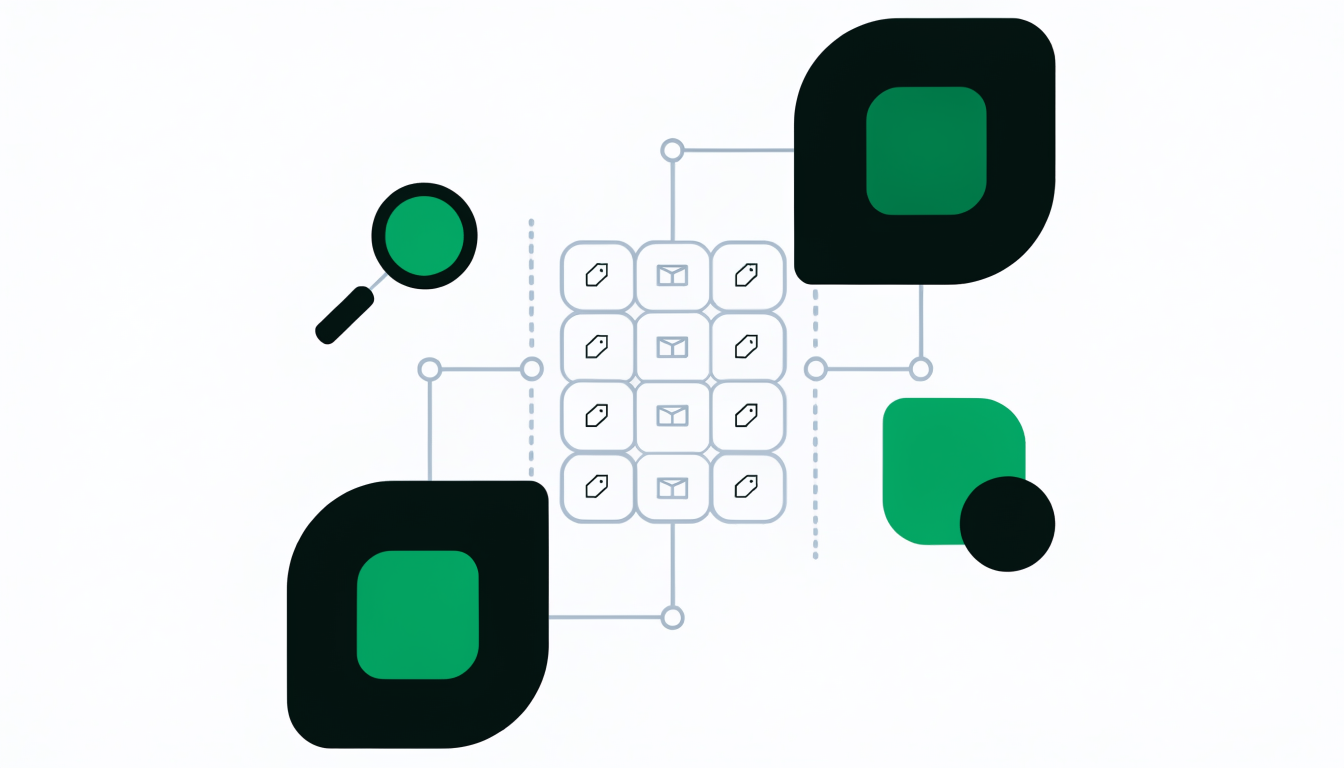
Every use case above depends on the same foundation: your B2B rules encoded as data rather than tribal knowledge. A store running wholesale on spreadsheets and emailed order forms has nothing for a model to read, which is the real reason most AI pilots stall. Here is what a purpose-built B2B layer gives you that the manual setup cannot.
The rows that matter most are the first three. PortalSphere stores tiered pricing against customer groups inside Shopify, so a reorder model or a quoting assistant can read the exact price an account is entitled to instead of asking a rep. MOQs and pack sizing are enforced as rules at checkout, which means an extracted email order can be validated automatically rather than corrected after the fact. Gated catalogs define what each buyer may see, so an AI search or assistant returns only products that account can actually purchase. On a spreadsheet setup none of these exist as queryable data, so every model you point at the business is reading an inbox.
If you are still choosing the underlying stack, start with the B2B ecommerce platform buyer's guide, then come back to the AI layer. Sequencing it the other way round is how the 63 point gap between deployment and success gets made.
Frequently asked questions
Is AI actually being used in B2B ecommerce yet, or is it still pilots?
Both. McKinsey's 2026 B2B Pulse survey puts full generative AI implementation at 22% of B2B companies, with a further 31% actively adopting. Adoption is broad but shallow: industry surveys of manufacturers and distributors show roughly 80% have deployed AI somewhere, while only around 17% report it working well. The gap is almost always data readiness, not model quality.
What is the fastest AI win for a wholesale brand on Shopify?
Order capture from emailed purchase orders and spreadsheets, followed by reorder prediction. Both attach to work your team already does every week, both are measurable in hours saved, and neither requires new buyer behavior. Reorder prediction needs about six months of order history per account to be useful.
Does AI in B2B ecommerce replace sales reps?
It replaces the clerical half of the job, not the relationship. Reps stop retyping orders, chasing tracking numbers and rebuilding the same quote, and spend that time on negotiation, new accounts and range expansion. In practice the rep becomes the exception handler rather than the order taker.
What data do you need before AI works in B2B ecommerce?
Four things: customer groups with the pricing tier attached, a product catalog with complete attributes and pack sizes, order history tied to accounts rather than email threads, and your MOQ and terms rules encoded as system rules. If any of those live only in a spreadsheet or a rep's memory, fix that before buying an AI tool.
How do you get a wholesale catalog into AI shopping assistants?
Through structured product data on a platform that publishes to agent channels. Shopify's 2026 releases added Shopify Catalog and the Universal Commerce Protocol for exactly this, but they can only distribute what your catalog actually contains. Complete attributes, accurate pack sizes and correctly gated pricing are the prerequisite, not the optimization.
AI needs clean B2B data. This is where it comes from.
PortalSphere puts tier pricing, MOQs, pack sizes and gated catalogs into Shopify as real rules, so every AI tool you add has something to read. 14-day free trial, free onboarding included.