What Is MAP Pricing? A Guide for Shopify Wholesale Brands


MAP stands for Minimum Advertised Price: the lowest price a brand allows retailers and wholesale partners to advertise a product for in public. It controls the advertised price, not the final sale price, so a retailer can still discount privately or at checkout. A MAP policy protects a brand's perceived value and stops partners from undercutting each other in Google Shopping, email, and on their sites. In the US, MAP is legal when the brand sets it unilaterally and enforces it consistently. On Shopify, the strongest first step is preventing leaks entirely by gating wholesale prices behind an approved-buyer login.
Key takeaways
- MAP (Minimum Advertised Price) is the lowest price a partner may publicly advertise, not the price they must sell at.
- MAP differs from MSRP: MSRP is a non-binding suggestion, while MAP is an enforceable floor on advertising.
- In the US, MAP is legal when set unilaterally and enforced consistently under the Colgate doctrine.
- Enforce it with a written policy, monitoring, and even consequences for every partner.
- On Shopify, prevent violations by gating your catalog and hiding wholesale prices behind a login.
In this article
- What does MAP pricing mean?
- How does MAP pricing work?
- MAP pricing vs MSRP: what is the difference?
- Is MAP pricing legal?
- How do you enforce MAP pricing?
- MAP pricing and your Shopify wholesale channel
- Frequently asked questions
What does MAP pricing mean?
MAP stands for Minimum Advertised Price. It is the lowest price a brand allows its retailers and wholesale partners to advertise a product for in public: on their website, in Google Shopping, in email, or in print. A MAP policy does not dictate the price a retailer charges at checkout. It only governs the price they can show the world before the sale.
That distinction matters. A brand can legally tell a stockist "do not advertise this blender below $79.99" while leaving the stockist free to sell it for less in a private quote or at the register. MAP protects the perceived value of a product and keeps your retail partners from racing each other to the bottom.

How does MAP pricing work?
A MAP program has three moving parts: a written policy, a floor price for each product, and a way to monitor and respond to violations.
The brand publishes a MAP policy that names the products covered, states the minimum advertised price for each, and spells out what happens when a partner breaks it. Consequences usually escalate: a warning first, then suspended discounts, then a pause on shipments, and finally termination of the wholesale account for repeat offenders. The floor prices are shared with authorized partners, often through a gated wholesale catalog so the numbers never sit in public view.
For the policy to hold up, it has to be applied evenly. If you let one large retailer advertise below MAP while punishing a small one, the policy is far weaker and, as covered below, far riskier legally.
MAP pricing vs MSRP: what is the difference?
MAP and MSRP are often confused, but they answer different questions. MSRP is the price a brand suggests a retailer sell at. MAP is the floor a retailer is allowed to advertise above. Here is how the two, plus your wholesale price, compare.
In plain terms: your wholesale price is what an approved buyer pays you, and it stays behind a login. MSRP is a non-binding suggestion for the shelf price. MAP is the one lever with real teeth, because it sets a public floor you can actually enforce, keeping every partner advertising your brand at a consistent, healthy price.
Is MAP pricing legal?
Yes. In the United States, a MAP policy is legal when a brand sets it unilaterally and enforces it consistently. This traces back to the Colgate doctrine from United States v. Colgate & Co. (1919), which established that a company can announce the terms on which it will do business and refuse to deal with partners who ignore them, as long as there is no agreement that fixes resale prices.
The safest structure is a one-way policy you announce, not a negotiated contract. You state the minimum advertised price and the consequences, and you apply them to everyone the same way. The moment you start negotiating exceptions or coordinating prices between competing retailers, you move toward resale price maintenance, which draws antitrust scrutiny. When a policy or the dollar amounts are involved, it is worth a quick check with a qualified attorney, since this is legal territory and the details vary by situation and by country.
How do you enforce MAP pricing?
Enforcement comes down to four repeatable steps:
- Publish a clear written policy. Name the covered products, the MAP for each, and the escalating consequences for violations.
- Monitor advertised prices. Track partner websites, marketplaces, and shopping feeds, either manually or with MAP monitoring software that scans listings and flags anything below your floor.
- Act consistently. Send the warning, then apply the stated consequence every time, for every partner. Even enforcement is what keeps the policy legal and credible.
- Control who sees your prices in the first place. The easiest violation to prevent is the one that never happens because the price was never public. Gating your wholesale pricing behind an approved-buyer login removes the temptation and the leak.
MAP pricing and your Shopify wholesale channel
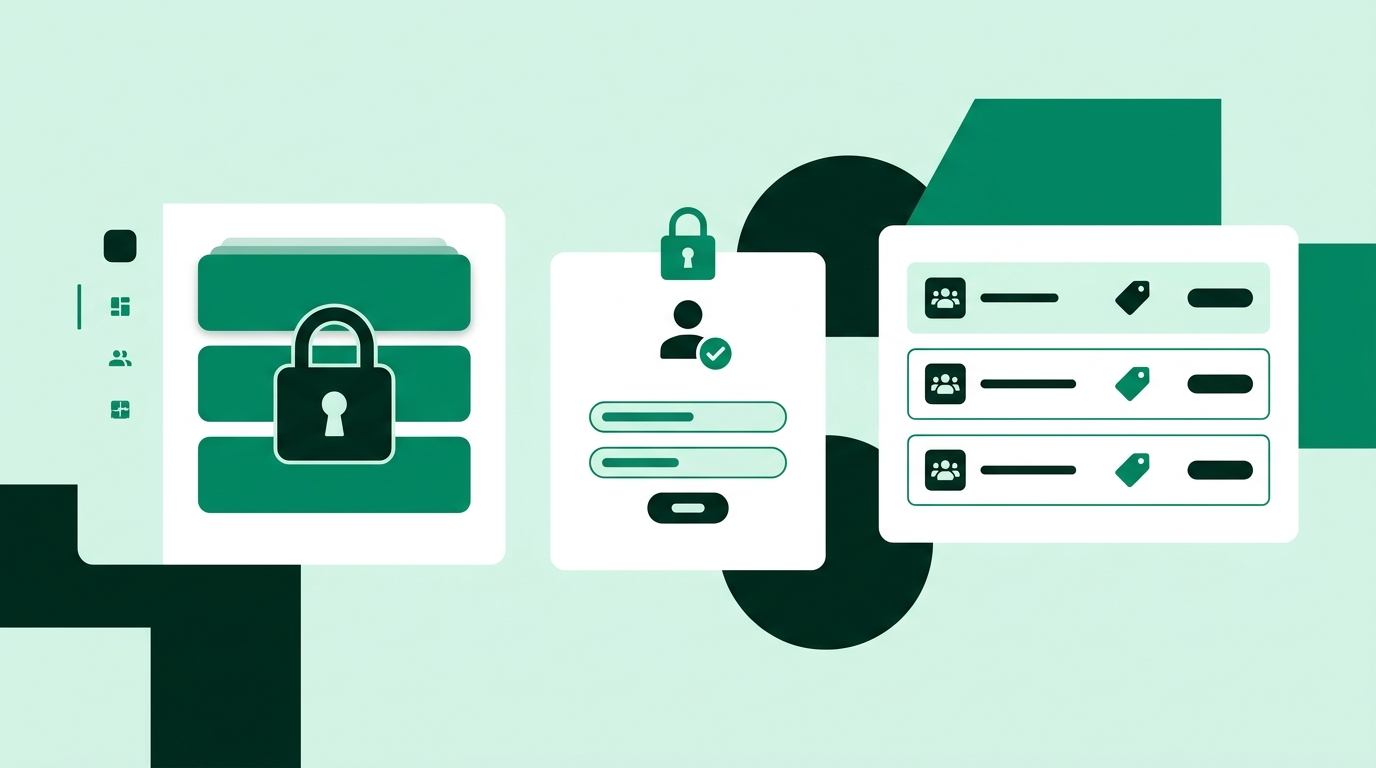
If you sell wholesale through Shopify, MAP protection starts with access control. Vanilla Shopify shows every price to every visitor, so your carefully set wholesale numbers are one page view away from being screenshotted and undercut. That is the manual, leaky way of running wholesale that leads to price erosion and awkward conversations with partners.
PortalSphere closes that gap. You can hide prices until a customer logs in, gate your catalog so only approved wholesale accounts see it, and set tiered pricing by customer group so each partner sees the right numbers and nobody else sees anything. Combined with a written MAP policy, that turns price protection from a hope into a system. For the wider picture, see our guide to Shopify B2B pricing.
Frequently asked questions
What does MAP pricing stand for?
MAP stands for Minimum Advertised Price. It is the lowest price a brand permits its retailers and wholesale partners to advertise a product for in public, separate from the price they can actually sell it for.
Is MAP pricing legal?
In the US, yes, when the brand sets the policy unilaterally and enforces it consistently under the Colgate doctrine. It becomes risky if it turns into a negotiated agreement to fix resale prices. Because it is a legal area, confirm your specific policy with a qualified attorney.
What is the difference between MAP and MSRP pricing?
MAP is the minimum price a retailer may advertise, and it is enforceable. MSRP is the manufacturer's suggested selling price, and it is only a recommendation with no binding force.
Can you sell below MAP pricing?
Often, yes. MAP restricts the advertised price, not the final transaction price. A retailer can usually sell below MAP through an in-cart price, a phone quote, or an in-store discount, as long as they do not advertise the lower number publicly.
How do you enforce MAP pricing on Shopify?
Publish a written MAP policy, monitor partner listings for violations, and apply consequences consistently. On Shopify, prevention is easier than policing: use PortalSphere to gate your catalog and hide wholesale prices so they never become public in the first place.
Protect your wholesale pricing on Shopify
Gate your catalog, hide prices until login, and set pricing by customer group so your numbers never leak. Start a 14-day free trial, no credit card required.