How to Start a Wholesale Business in 2026: 8 Steps to Your First Order

To start a wholesale business, validate demand for your products, decide what you'll sell and who you'll sell to, then handle the legal setup: register the business, get an EIN, and obtain a resale certificate or wholesale license. Next, set wholesale pricing that protects your margins (usually around 50 percent of retail), source your inventory, and set minimum order quantities. The fastest route in 2026 is to add a wholesale channel to an online store you already run, so retail and B2B live in one place with gated pricing and net terms. Finally, find your first buyers through trade shows, wholesale marketplaces, cold outreach, and existing retail customers, and make reordering effortless. Most founders can go from idea to first wholesale order in a few weeks.
Key takeaways
- Wholesale means selling in bulk to other businesses at a discount, not to end consumers; profit comes from volume and repeat orders, not markup per unit.
- Handle the legal basics early: register the business, get an EIN, and obtain a resale certificate so you can buy and sell tax-free for resale.
- Price wholesale at roughly 50 percent of retail (a 2x keystone markup) and protect it with minimum order quantities.
- The simplest 2026 setup runs B2B and retail from one online store with gated pricing, tiered discounts, and net terms.
- Your first buyers come from trade shows, wholesale marketplaces, targeted outreach, and converting existing customers into stockists.
If you are working out how to start a wholesale business, the job breaks into three parts: the legal setup, your wholesale pricing, and the place buyers actually order from. This guide walks through all eight steps in order, with real costs, licensing requirements, and how to set up a wholesale business online so retailers can buy from you without emailing you a purchase order. If you already sell direct to consumers, our guide on how to sell wholesale covers the same ground from the other direction.
In this article
- What is a wholesale business?
- How do wholesale businesses make money?
- How much does it cost to start a wholesale business?
- How to start a wholesale business in 8 steps
- Can you start a wholesale business with no money?
- How do you set up a wholesale business online?
- Do you need a license to sell wholesale?
- Frequently asked questions
What is a wholesale business?
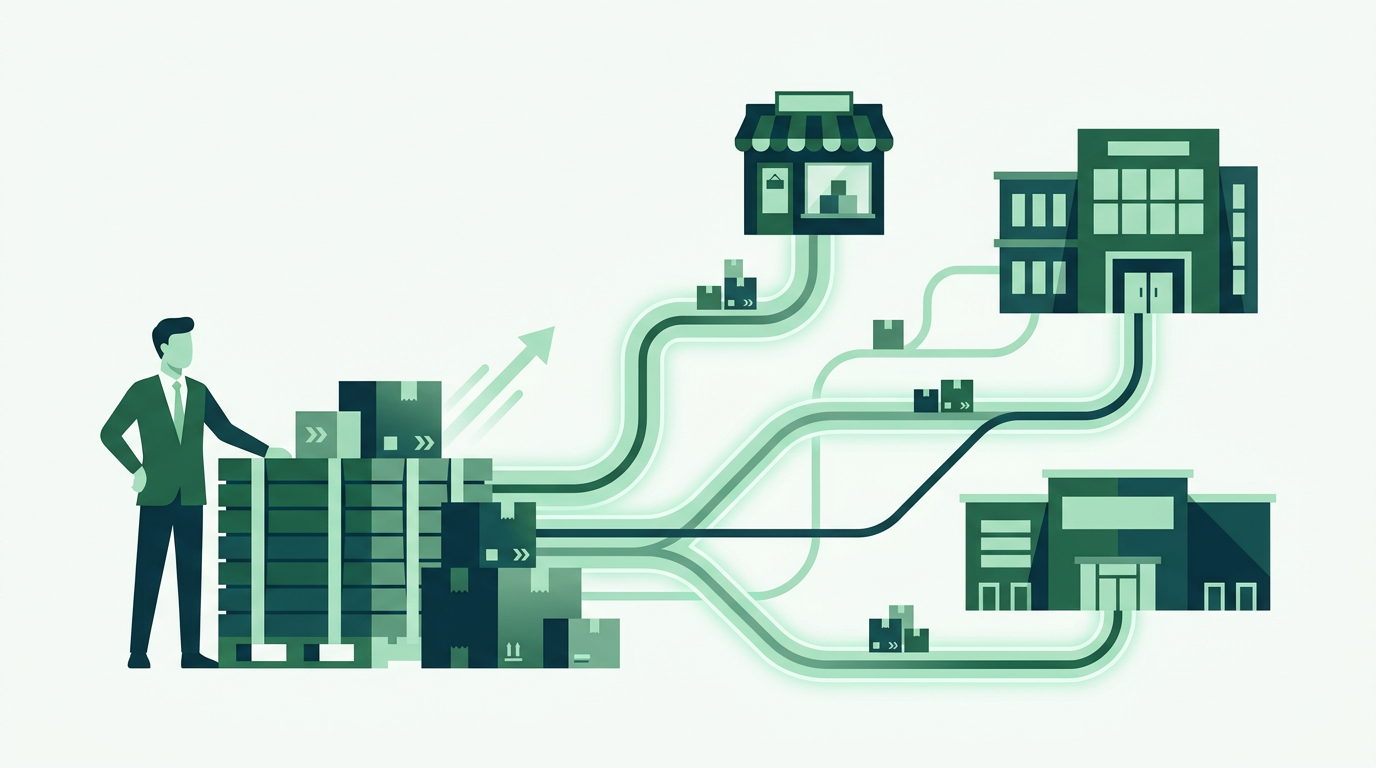
A wholesale business sells products in bulk to other businesses, such as retailers, resellers, and distributors, at a discounted price per unit. Those buyers then resell the goods to end customers at full retail. In short, wholesale is business to business (B2B), while retail is business to consumer (B2C).
The trade-off is simple: you accept a lower price per unit in exchange for much larger order volumes and repeat buyers who reorder on a schedule. A boutique might buy 200 candles from you at once and come back every quarter, which is very different from selling one candle at a time to a shopper.
How do wholesale businesses make money?
Wholesale businesses make money on volume and margin, not on markup per unit. You buy or manufacture goods at your cost, then sell them to trade buyers at a wholesale price that still leaves you a healthy margin. Because order sizes are large and buyers reorder, even a modest per-unit profit adds up quickly.
The standard benchmark is a 2x markup, often called keystone pricing: if a product costs you $10 to make or source, you sell it wholesale for around $20, and your retail partners sell it for roughly $40. That keeps everyone in the chain profitable and keeps your pricing consistent across channels.
How much does it cost to start a wholesale business?
You can start a wholesale business for a few hundred to a few thousand dollars, depending on whether you make or source your products and how much inventory you hold up front. The lean, common starting costs are:
- Business registration and licenses: often $50 to $500 depending on your state and structure.
- Initial inventory or first production run: your single biggest variable, from a few hundred dollars for handmade goods to several thousand for a manufactured run.
- An online store and wholesale tools: a Shopify plan plus a wholesale app, typically under $100 per month combined.
- Branding basics: a logo, a line sheet, and product photography.
You do not need a warehouse or a sales team to begin. Many wholesale businesses start from a spare room and a single online catalog, then scale as orders grow.
Can you start a wholesale business with no money?
Not with literally zero, but you can start a wholesale business for well under $1,000 if you avoid holding stock. Three routes keep the opening cost low:
- Sell to order. Take the wholesale order first, then produce or buy the goods against it. Ask for a 50 percent deposit up front so the buyer funds your production run.
- Start from home. Skip the warehouse. Most founders who start a wholesale business from home run their first year out of a spare room, which removes the largest fixed cost entirely.
- Wholesale what you already sell. If you already run a retail store, you have inventory, photography, and a product people buy. Opening a wholesale channel on the store you already own costs you an app subscription, not a new business.
What you cannot skip is the legal setup in step 3. Business registration and a resale certificate are cheap, but buying wholesale without a business license is not an option in most states.
How to start a wholesale business in 8 steps
Here is the practical path from idea to your first wholesale order. Most founders move through these steps in two to six weeks: registration and an EIN take days, a resale certificate typically one to three weeks depending on the state, and production lead times are usually the longest wait.
1. Validate demand and pick your products
Confirm that other businesses actually want to buy what you make. Look at what retailers in your niche already stock, check competitor pricing, and talk to a few shop owners about what sells. Choose products with strong margins and repeat-purchase potential, because reorders are where wholesale profit compounds.
2. Choose who you sell to
Decide on your ideal buyer: independent boutiques, larger chains, online resellers, or distributors. Each has different expectations for pricing, minimums, and payment terms. Starting with independent retailers is usually the fastest way to land early orders and gather feedback.
3. Register your business and handle the legal setup
Register your business with your state (the US Small Business Administration lists the requirements state by state), choose a structure (many founders start as an LLC), and get an Employer Identification Number (EIN) from the IRS. Then apply for a resale certificate or wholesale license in your state so you can buy inventory and sell to resellers without paying sales tax on those transactions.
4. Set your wholesale pricing
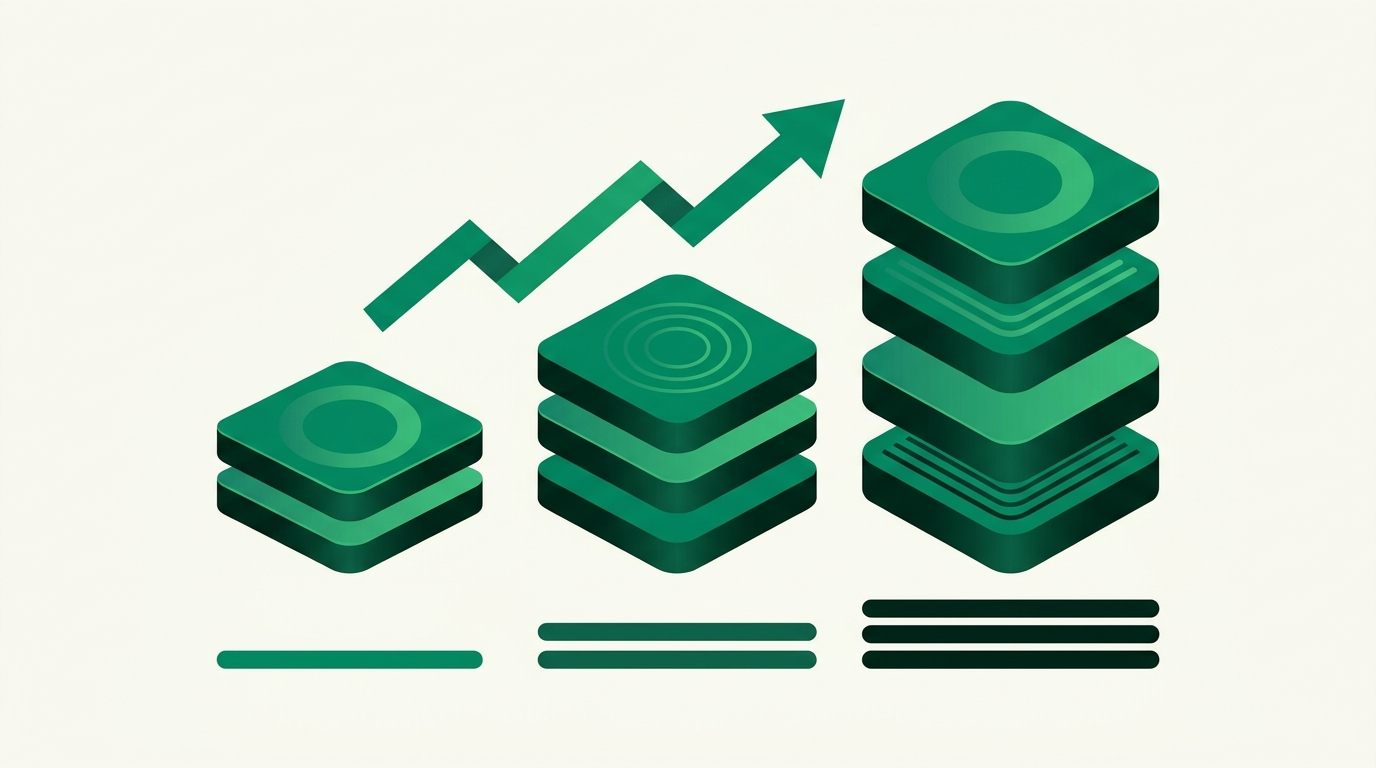
Price wholesale at roughly 50 percent of your intended retail price, then confirm the number still covers your costs and target margin. Build in room for volume discounts so larger buyers get a better per-unit rate. For a full walkthrough, see our guide on how to calculate wholesale price and how to structure tiered wholesale pricing.
5. Source or produce your inventory
Lock in your supplier or production process and calculate realistic lead times. Order enough to fulfill a few opening orders without tying up all your cash in stock. Set minimum order quantities (MOQs) so every order is worth fulfilling, which you can read more about in our guide to setting minimum order quantities.
6. Set up where buyers will order
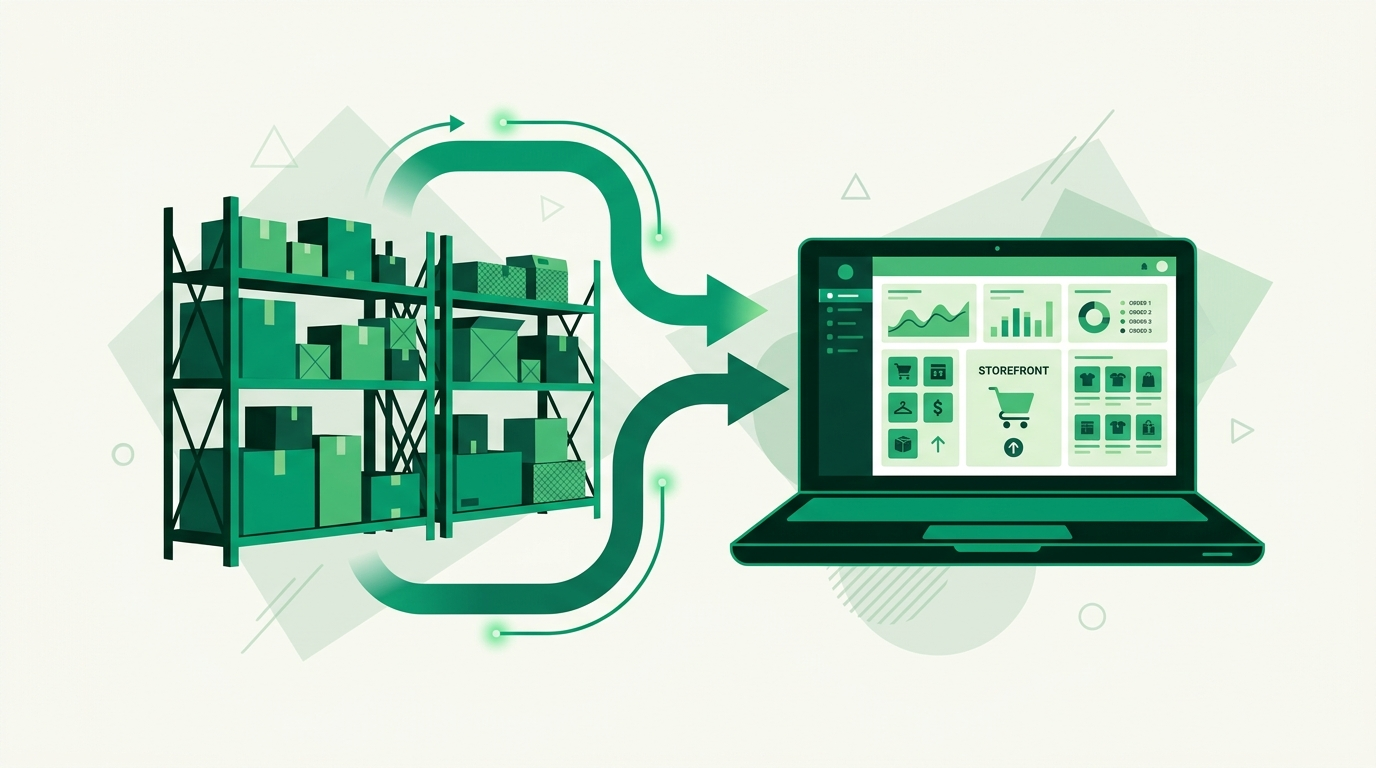
Give buyers a professional place to browse and order. The fastest route in 2026 is to add a wholesale channel to an online store you already run, so B2B and retail live in one place. That means a gated catalog where trade buyers log in to see wholesale prices, plus self-serve ordering instead of email and spreadsheets. See how to set up a Shopify wholesale channel.

7. Decide on payment and shipping terms
Trade buyers often expect to pay after delivery. Offering net-30 terms can win larger accounts, so decide which buyers qualify and how you will invoice. Set clear shipping costs and lead times so there are no surprises at checkout.
8. Find your first wholesale buyers
Now go get orders. The most reliable channels are trade shows and industry markets, wholesale marketplaces like Faire, targeted cold outreach to shops that fit your product, and converting your existing retail customers into stockists. Send a clean line sheet, make the first order easy, and make reordering effortless so buyers come back.
How do you set up a wholesale business online?
To set up a wholesale business online you need three things a normal retail store does not have: prices that change by customer, a catalog only approved buyers can see, and order rules such as minimums and pack sizes. You can run early orders on spreadsheets and email, but that breaks down fast as accounts grow. A dedicated wholesale platform handles pricing, access, and ordering automatically, which removes the manual errors and slow back-and-forth that frustrate buyers. Here is how the two approaches compare on the things that matter.
The gap widens as you scale. A platform like PortalSphere handles tiered pricing by customer group natively, so each buyer sees the right price without you editing a spreadsheet, whereas a manual setup means recalculating discounts by hand for every order. It also enforces MOQs and pack sizing automatically at checkout, gates wholesale prices behind a login, and supports net terms, so your buyers get a self-serve experience while you avoid manual order entry and the errors that come with it. Because it runs on your existing store, you can serve wholesale and retail customers from one place instead of maintaining two systems.
Do you need a license to sell wholesale?
In most US states, yes. To sell wholesale you generally need your business registered and a resale certificate (sometimes called a wholesale license, seller's permit, or sales tax permit) issued by your state. This lets you buy inventory tax-free for resale and sell to other resellers without collecting sales tax on those orders, since tax is collected at the final retail sale. Requirements vary by state, so check with your state's tax authority before your first order, and see our walkthrough of how to get a wholesale license for costs and timelines.
Frequently asked questions
How much does it cost to start a wholesale business?
Most founders start for a few hundred to a few thousand dollars. Business registration is often $50 to $500, an online store plus a wholesale app usually runs under $100 per month, and your largest variable cost is your first inventory run. You do not need a warehouse or staff to begin.
Do you need a license to sell wholesale?
In most US states you need a registered business and a resale certificate or wholesale license. It lets you buy inventory tax-free for resale and sell to other businesses without collecting sales tax on those transactions. Rules vary by state, so confirm with your state tax authority.
How do wholesale businesses make money?
They earn on volume and margin rather than markup per unit. A common benchmark is keystone pricing, a 2x markup, where a product that costs $10 sells wholesale for about $20 and retails for around $40. Large, repeat orders make even modest per-unit margins add up.
Can I run a wholesale business on Shopify?
Yes. You can add a wholesale channel to a Shopify store using an app like PortalSphere, which brings tiered pricing, a gated catalog, MOQs, pack sizing, and net terms into the store you already run. That lets you sell B2B and B2C from one place. Compare options in our roundup of the best Shopify wholesale apps.
Can you buy wholesale without a business license?
Usually not. Most suppliers ask for a resale certificate or seller's permit before they will open a trade account, because that document is what lets them sell to you without charging sales tax. A few marketplaces sell to unregistered buyers, but at prices close to retail. Expect the same from your own buyers: ask for their certificate before you approve a wholesale account.
What is the difference between wholesale and retail?
Wholesale sells products in bulk to other businesses at a discount, while retail sells individual items to end consumers at full price. Wholesale trades a lower per-unit price for higher volume and repeat orders.
Ready to open your wholesale channel?
PortalSphere adds tiered pricing, gated wholesale prices, MOQs, and net terms to the Shopify store you already run, so your first trade buyers can order without emailing you.