Shopify Wholesale Channel: What Replaced It and How to Sell Wholesale in 2026


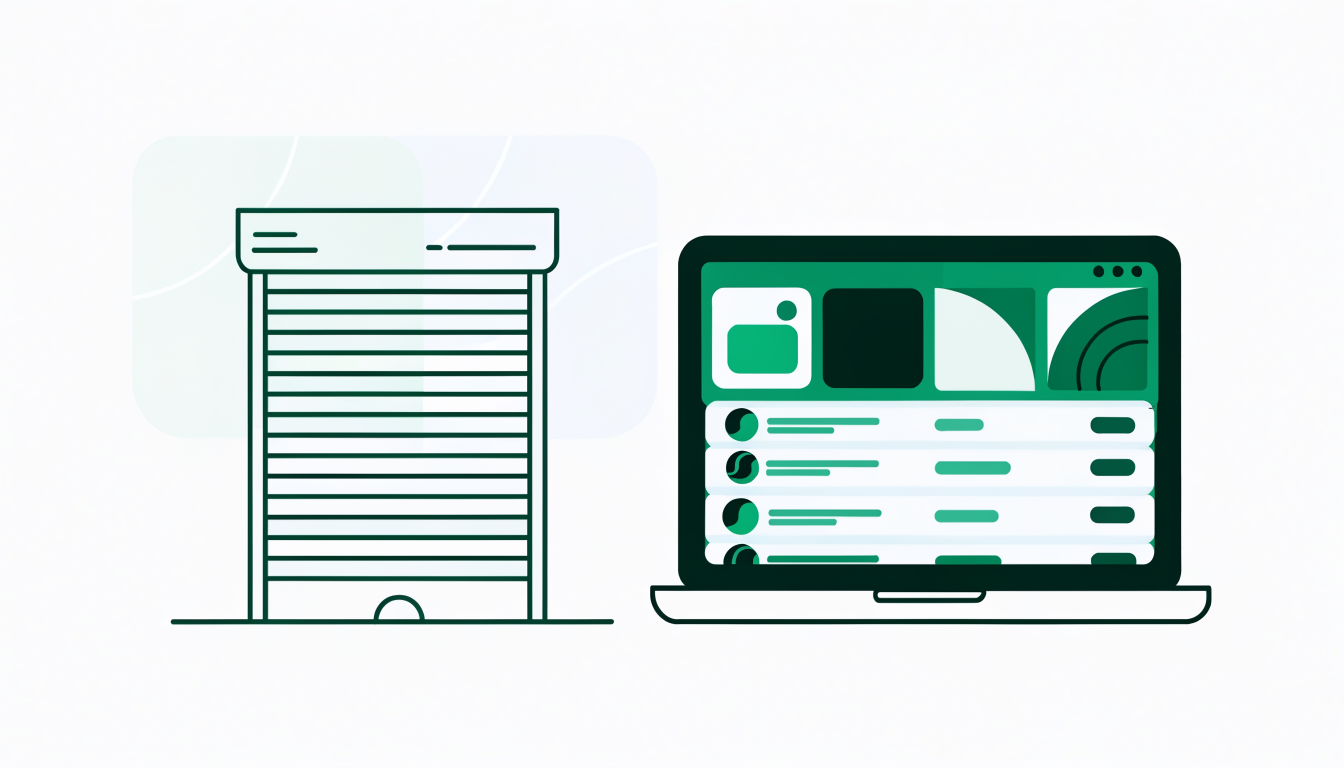
The Shopify wholesale channel was a separate, password-protected B2B storefront available only to Shopify Plus merchants. Shopify retired it on April 30, 2024 and replaced it with B2B on Shopify, a set of wholesale features built directly into the standard Shopify admin. As of April 2, 2026, the foundational B2B feature set (company accounts, up to three custom pricing catalogs, volume discounts and quantity rules, payment terms, and vaulted credit cards) is available on every paid Shopify plan, not just Plus. So if you are searching for the Shopify Plus wholesale channel, there is nothing left to install. To sell wholesale on Shopify in 2026 you either use native B2B on Shopify or add a wholesale app that layers on gated access, tiered pricing, minimum order quantities, and net terms. Which route fits depends on how much control you need and whether you run B2B and DTC from one store.
Key takeaways
- The standalone Shopify wholesale channel was retired on April 30, 2024; there is nothing to sign up for anymore.
- The Shopify Plus wholesale channel and the Shopify wholesale channel were the same product, sold only with Plus.
- It was replaced by B2B on Shopify, native wholesale features inside the normal Shopify admin.
- As of April 2, 2026, foundational B2B features are on every paid plan (Basic, Grow, Advanced, Plus), not Plus-only.
- Advanced needs like unlimited catalogs, a dedicated B2B storefront, deposits, and partial payments still require Shopify Plus.
- For gated catalogs, MOQs, pack sizing, and richer approval workflows, a wholesale app like PortalSphere fills the gaps on any plan.
If you are looking for the Shopify wholesale channel, it no longer exists. Shopify shut the Shopify Plus wholesale channel down on April 30, 2024 and replaced it with B2B on Shopify, a set of wholesale tools built into the standard Shopify admin. This guide covers what the wholesale channel Shopify merchants used to install actually did, why it went away, what took its place, how to rebuild your wholesale setup if you never migrated, and the fastest route to selling wholesale on any Shopify plan in 2026.
In this article
- What was the Shopify Wholesale Channel?
- Was the Shopify Plus wholesale channel something different?
- Why did Shopify retire it?
- What replaced it: B2B on Shopify
- Wholesale Channel vs B2B on Shopify vs a wholesale app
- How to migrate from the Wholesale Channel to B2B on Shopify
- How to sell wholesale on Shopify in 2026
- Do you still need Shopify Plus?
- FAQ
What was the Shopify Wholesale Channel?
The Shopify Wholesale Channel was a separate, password-protected storefront that Shopify Plus merchants could bolt on to their main store to sell to business buyers. It gave you a private B2B shop with its own login, wholesale price lists, and buyer accounts, kept apart from your public retail store.
Buyers were invited rather than self-registered. You built price lists that applied a percentage off retail or a fixed wholesale price to a group of customers, then gave approved accounts a login to the wholesale storefront. Everything a retail shopper saw stayed on the main store, and everything a wholesale buyer saw stayed behind the password.
If you have landed here looking for where to switch it on, here is the short version: it is gone. Shopify retired the standalone wholesale channel and folded wholesale into the core platform instead. The rest of this guide explains what happened, what took its place, and the fastest way to start selling wholesale today.

Was the Shopify Plus wholesale channel something different?
No. The Shopify Plus wholesale channel and the Shopify wholesale channel were the same product under two names. It was only ever available on Shopify Plus, so merchants and agencies used the two labels interchangeably, which is why both phrases still turn up in search today.
That single detail explains most of the confusion around this topic. Because the channel was bundled with Plus, wholesale on Shopify was widely understood as a Plus-only capability, and plenty of articles written before 2026 still say so. That is now out of date. The channel is gone, and the native replacement is no longer restricted to Plus.
Two things to keep straight if you are reading older guidance:
- The wholesale channel is not the same as B2B on Shopify. The channel was a second storefront. B2B on Shopify is a feature set inside your existing store.
- Plus is no longer the entry ticket. Since April 2026, foundational B2B features ship on every paid plan, so advice that tells you to upgrade to Plus just to sell wholesale is out of date.
Why did Shopify retire the Wholesale Channel?
Shopify announced the change in late 2023 and officially discontinued the Wholesale Channel on April 30, 2024. Two reasons drove it. First, the channel leaned on browser behavior that was changing, including how browsers handle third-party cookies, which made the separate-storefront approach fragile. Second, it never saw broad adoption: it was Plus-only, it lived outside the tools merchants already used every day, and running a second storefront added friction for both the merchant and the buyer.
Rather than patch the old model, Shopify rebuilt wholesale as a native part of the platform. Merchants who used the Wholesale Channel were asked to migrate to B2B on Shopify before the shutoff date.
What replaced it: B2B on Shopify
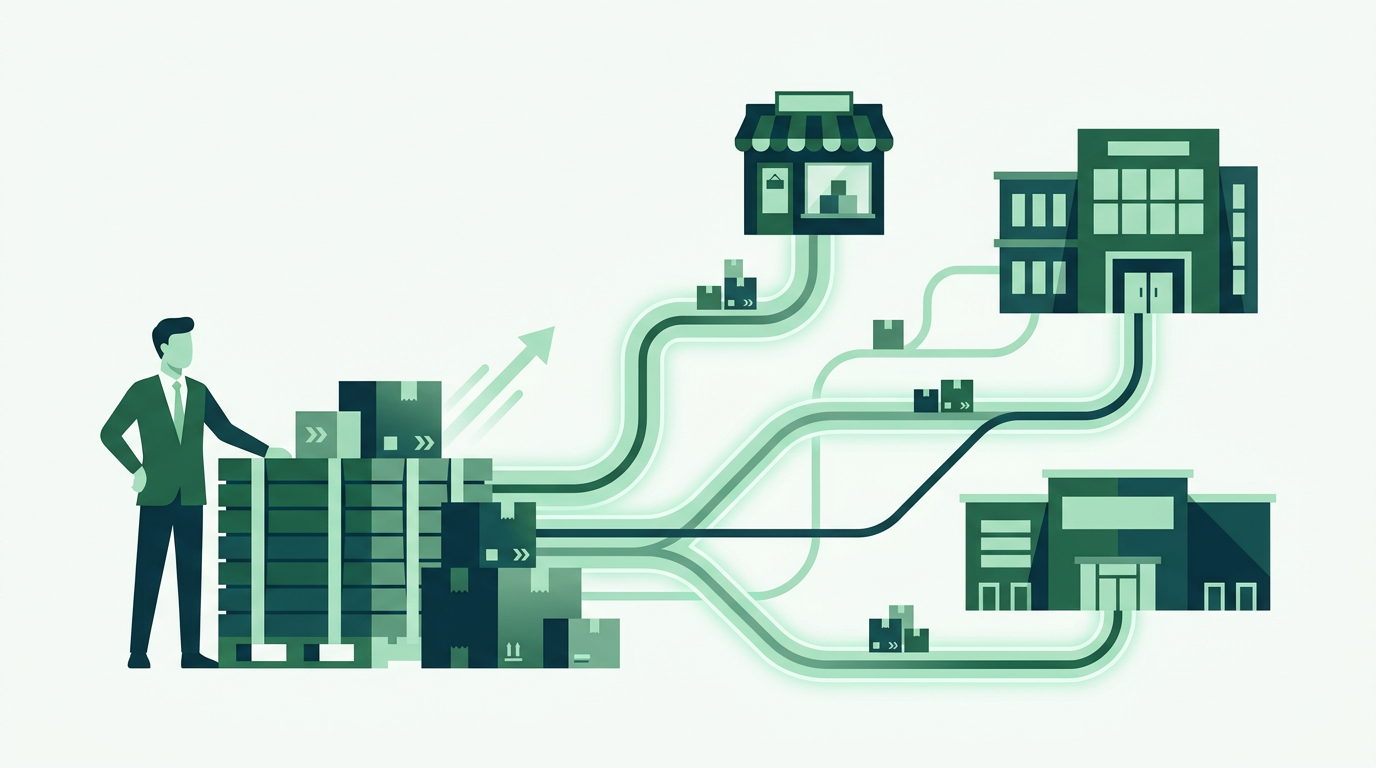
The Wholesale Channel was replaced by B2B on Shopify, a set of wholesale features built directly into the normal Shopify admin. Instead of a second storefront, you get company accounts, customer-specific pricing catalogs, quantity rules, and payment terms inside the same store and the same admin you already run. You can sell wholesale from a blended store that also serves retail, or from a dedicated B2B store.
The bigger shift came on April 2, 2026, when Shopify extended the foundational B2B feature set to every paid plan, not just Plus. Merchants on Basic, Grow, and Advanced can now use company profiles for wholesale buyers, up to three custom catalogs with tailored pricing, volume discounts and quantity rules, payment terms, and vaulted credit cards at no extra cost.
Wholesale Channel vs B2B on Shopify vs a wholesale app
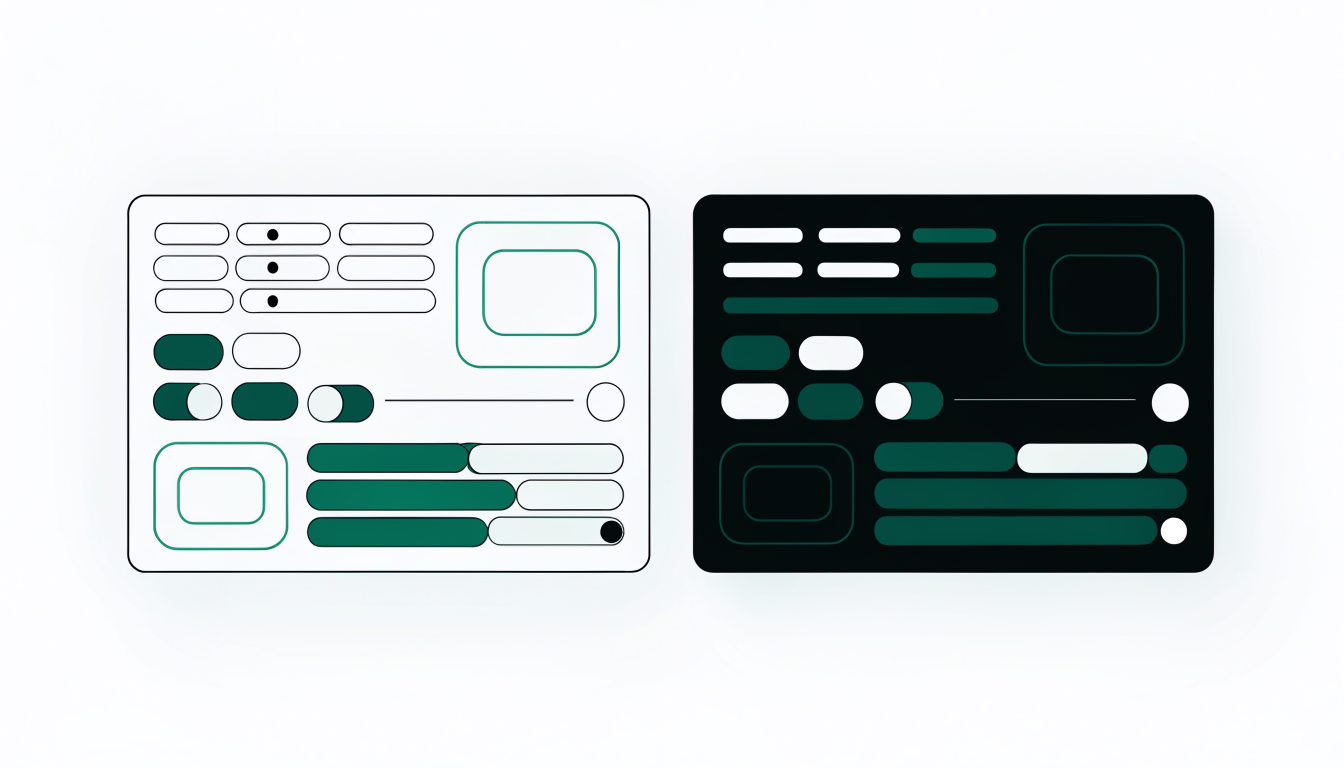
Native B2B on Shopify covers the essentials well, and for a simple wholesale operation it wins on cost because it is included in your plan. Where merchants still hit walls is deeper access control, catalog limits, and workflow, and that is where a dedicated app earns its place. Here is how the retired channel, native B2B, and a wholesale app compare on the things wholesale operators actually ask about.
Reading the rows that matter most: the legacy wholesale channel gated your entire B2B storefront behind one password, which was blunt but effective, and native B2B on Shopify does not reproduce that behavior in a blended store, where retail prices remain visible to the public by default. PortalSphere restores that control at the product and price level, so you can hide prices, hide products, and require an approved account before a visitor sees anything. On catalogs, native B2B caps you at three outside of Plus while PortalSphere sets unlimited pricing groups and tiers on any plan. On minimum order quantities and pack sizing, native B2B offers basic quantity rules while PortalSphere enforces MOQs and case packs per product and per variant, which is what most brands with real wholesale economics need.
How to migrate from the Wholesale Channel to B2B on Shopify
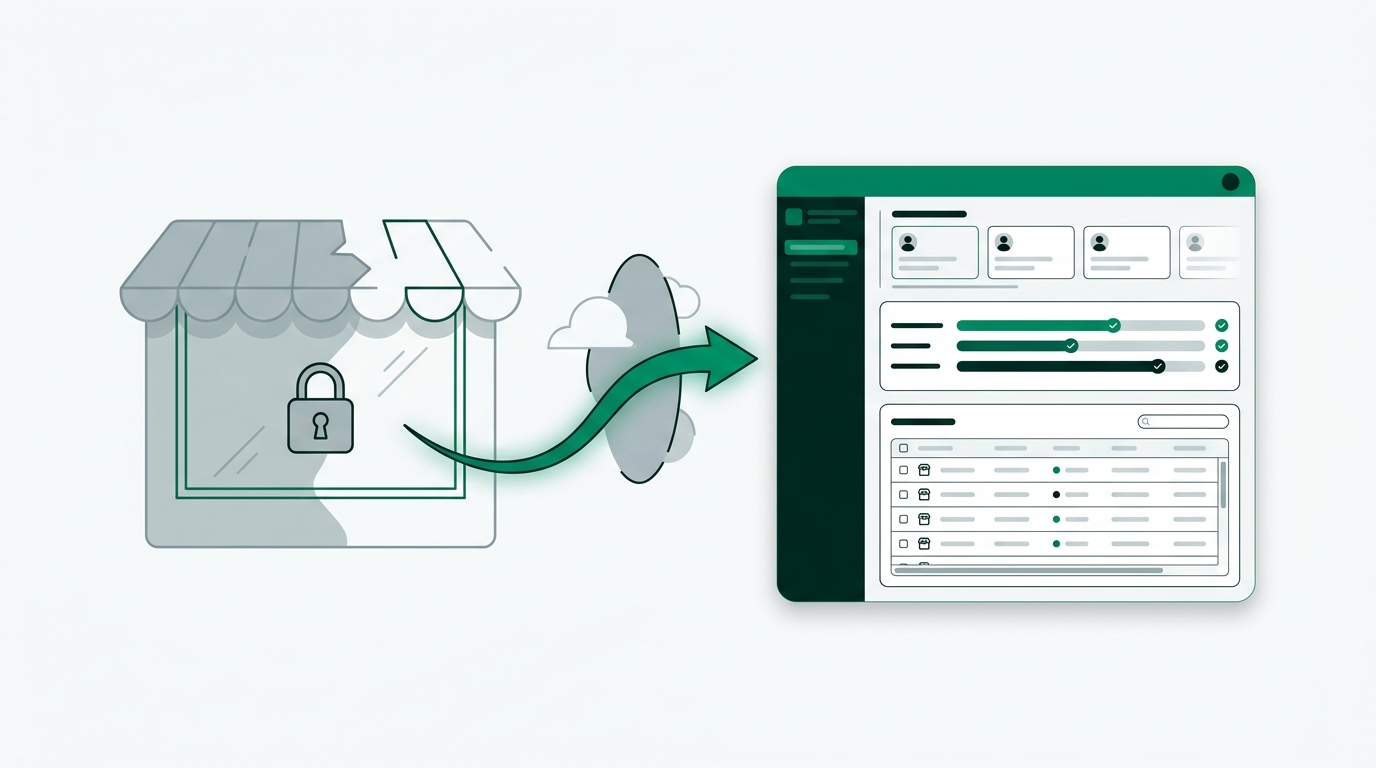
Stores that were still on the channel were migrated or cut off in 2024, so there is no live data left to export. If you never rebuilt, or you inherited a store where wholesale quietly stopped working, treat this as a rebuild rather than a migration. It takes an afternoon, not a project.
1. Rebuild your buyer list as company accounts
Export your wholesale customers from your customer list (they are tagged in most legacy setups) and recreate each one as a company with at least one location and one contact. The company, not the individual, is what pricing and terms attach to in B2B on Shopify, which is closer to how wholesale actually works when three people at the same retailer place orders.
2. Turn old price lists into catalogs
Every price list from the channel becomes a catalog. A percentage-off list translates cleanly; a list with per-product overrides needs those prices entered against the catalog. Remember the cap: three catalogs on Basic, Grow, and Advanced, unlimited on Plus. If you had more pricing groups than that, either consolidate them or use an app to hold the extra tiers.
3. Re-apply quantity rules and minimums
Quantity rules (minimum, maximum, and increment) are set per catalog entry in native B2B. If your old setup relied on case quantities or a minimum order value rather than a per-product minimum, native rules will only get you part of the way, and this is the most common point where merchants add an app.
4. Redirect the old wholesale URL
Any links, emails, or line sheets pointing at your old wholesale storefront now go nowhere. Set up a URL redirect in your Shopify admin from the old wholesale path to your new wholesale landing page so returning buyers and any inbound links land somewhere useful instead of on a 404.
5. Test with one real buyer before you announce
Create a test company, log in as that buyer, and place a full order end to end: correct prices, correct minimums, correct terms at checkout, correct tax treatment. Fix what breaks, then invite your buyers back. Announcing first and testing second is how you spend a week answering emails about wrong prices.
How to sell wholesale on Shopify in 2026
You no longer install a channel. You turn on B2B in your store and, if you need more control, layer a wholesale app on top. Here is the path most merchants take.
1. Turn on native B2B on Shopify
In your Shopify admin, create your first company account, then build a catalog with the pricing that company should see. On Basic, Grow, and Advanced you get up to three catalogs; Plus removes that limit. This alone lets approved buyers log in and order at their own prices. Our full walkthrough of how to set up wholesale on Shopify covers the whole sequence, and our Shopify B2B portal setup guide goes deeper on the account and catalog steps.
2. Decide how buyers see wholesale pricing
In a blended store, retail prices show by default and B2B pricing appears once a buyer is logged in to a company. If you want prices or entire products hidden from the public until a buyer is approved, native B2B does not gate the storefront on its own. This is the most common reason merchants add an app. PortalSphere lets you hide prices, hide products, and require registration so only approved wholesale buyers see your catalog.
3. Set tiered pricing, minimum orders, and pack sizes
Wholesale rarely means one flat discount. Set price tiers by customer group and volume, add minimum order quantities so buyers meet your economics, and enforce case packs or pack sizing where you sell in fixed units. See how to set up tiered wholesale pricing for the pricing side, and layer MOQs and pack sizing on top.
4. Offer net terms and tax exemption
Business buyers expect to pay on terms, not always by card at checkout. Native B2B supports payment terms such as Net 30, 60, and 90. If you also sell to tax-exempt resellers, make sure your setup applies exemptions cleanly. Our guide to net 30 terms for Shopify wholesale covers how to offer terms without chasing invoices by email.
5. Choose native, app, or both
If your wholesale is simple, native B2B may be all you need. If you need gated catalogs, unlimited pricing groups, richer approval flows, or MOQs and pack sizing, add a wholesale app. Compare your options in our roundup of the best Shopify wholesale apps in 2026.
Do you still need Shopify Plus for wholesale?
For most merchants starting or scaling a wholesale channel, no longer. Since April 2026 the foundational B2B tools ship on every paid plan. Shopify Plus still matters for advanced needs: unlimited pricing catalogs, a dedicated B2B storefront on its own domain, vaulted credit card storage for buyer accounts, deposits and partial payments, and checkout extensibility through Shopify Functions.
A simple way to decide: if what you are missing is capacity (more catalogs than three, a separate B2B domain, custom checkout logic), Plus is the answer. If what you are missing is control (who can see prices, who gets approved, what a buyer must order), an app on your current plan is the cheaper and faster answer. Upgrading to Plus to solve a control problem is the most expensive way to not fix it.
You can read Shopify's own overview of B2B on Shopify for the native feature list.
Frequently asked questions
Does the Shopify Wholesale Channel still exist?
No. Shopify discontinued the standalone Wholesale Channel on April 30, 2024. Wholesale is now handled by B2B on Shopify, which is built into the Shopify admin, plus wholesale apps for merchants who need more control.
Is there a wholesale channel in Shopify now?
There is no channel to install. Wholesale in Shopify today is a set of features inside your existing store: company accounts, pricing catalogs, quantity rules, and payment terms. You enable them in the admin rather than adding a second storefront, and you can extend them with a wholesale app.
What is the difference between the Wholesale Channel and B2B on Shopify?
The Wholesale Channel was a separate, password-protected storefront available only on Plus. B2B on Shopify is native functionality inside your regular store, with company accounts, custom catalogs, quantity rules, and payment terms. As of April 2026 the foundational features are available on every paid plan.
Can I sell wholesale on Shopify without Shopify Plus?
Yes. Since April 2026, Basic, Grow, and Advanced plans include company accounts, up to three custom pricing catalogs, volume discounts, payment terms, and vaulted credit cards. Plus is only required for advanced needs like unlimited catalogs, a dedicated B2B storefront, deposits, and partial payments.
How much does B2B on Shopify cost?
The foundational B2B feature set is included in your existing Shopify plan at no extra cost on Basic, Grow, Advanced, and Plus. You only pay more if you upgrade to Plus for the advanced capabilities, or if you add a wholesale app for gated access, unlimited pricing tiers, MOQs, and approval workflows.
How do I hide wholesale prices until a customer logs in?
Native B2B shows wholesale pricing to buyers logged in to a company, but a blended store still shows retail prices to the public. To hide prices or products entirely until a buyer is approved, use a wholesale app such as PortalSphere that gates access with registration and approval.
Do I need to migrate if I used the old Wholesale Channel?
Any store that used the Wholesale Channel had to migrate to B2B on Shopify before the April 30, 2024 shutoff. If you never migrated, rebuild your wholesale setup today using native B2B or a wholesale app, starting with company accounts and catalogs.
Fill the gaps Shopify B2B leaves behind
PortalSphere adds gated catalogs, tiered pricing, MOQs, and net terms to any Shopify plan, with free onboarding on a draft store before you go live.