B2B vs B2C Ecommerce: 8 Differences That Change Your Setup

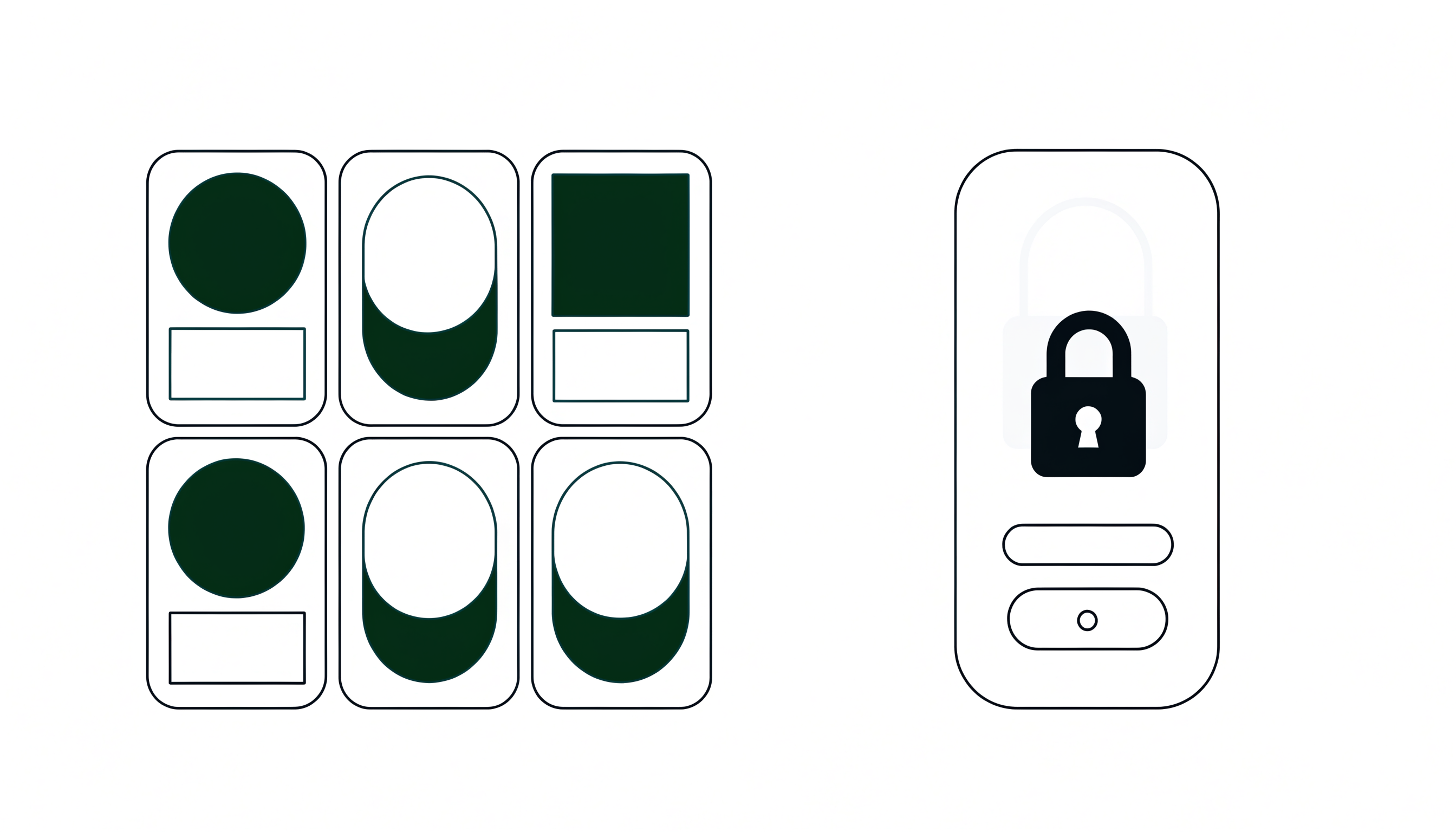
B2B vs B2C ecommerce comes down to store architecture, not product type. A B2C storefront shows one public price to every visitor and takes card payment at checkout. A B2B storefront gates prices behind an approved login, resolves price per customer group and per quantity, enforces minimum order quantities and pack sizes, offers net-30 invoicing against a purchase order number, and suppresses sales tax for verified resale accounts. It also treats the customer as a company with several users rather than one person. For most Shopify brands under roughly $20 million in wholesale revenue, the answer is one store with a gated B2B layer on top, not two separate stores.
Key takeaways
- The eight differences that matter are all configuration, not strategy: price visibility, price calculation, order minimums, payment terms, tax, account structure, reorder speed, and store count.
- Gating prices and setting per-group tiered pricing are the two changes that pay back fastest.
- MOQs and pack sizes have to be enforced at the cart. A rule in your terms PDF is a rule buyers will break.
- Net-30 invoicing and resale tax exemption decide whether large accounts buy online at all.
- One store with a gated B2B layer beats two stores for most brands under roughly $20 million in wholesale revenue.
In this article
- 1. Who is allowed to see your prices
- 2. How the price is calculated
- 3. The shape of a valid order
- 4. Who pays, and when
- 5. Whether you collect sales tax
- 6. Who the customer actually is
- 7. What a repeat purchase looks like
- 8. Whether you run one store or two
- B2B vs B2C ecommerce: side by side
- Which setup do you need?
- Frequently asked questions
Most B2B vs B2C ecommerce articles compare buyer psychology and sales cycles. Useful in a strategy deck, useless when you are staring at a storefront and deciding what to change. This one is about store architecture: the eight places where a B2B store has to behave differently from a B2C store, and what each one costs you if you get it wrong.
If you are still choosing between the two business models rather than building the store, read wholesale vs retail first. That post covers margins and models. This one covers configuration.
1. Who is allowed to see your prices
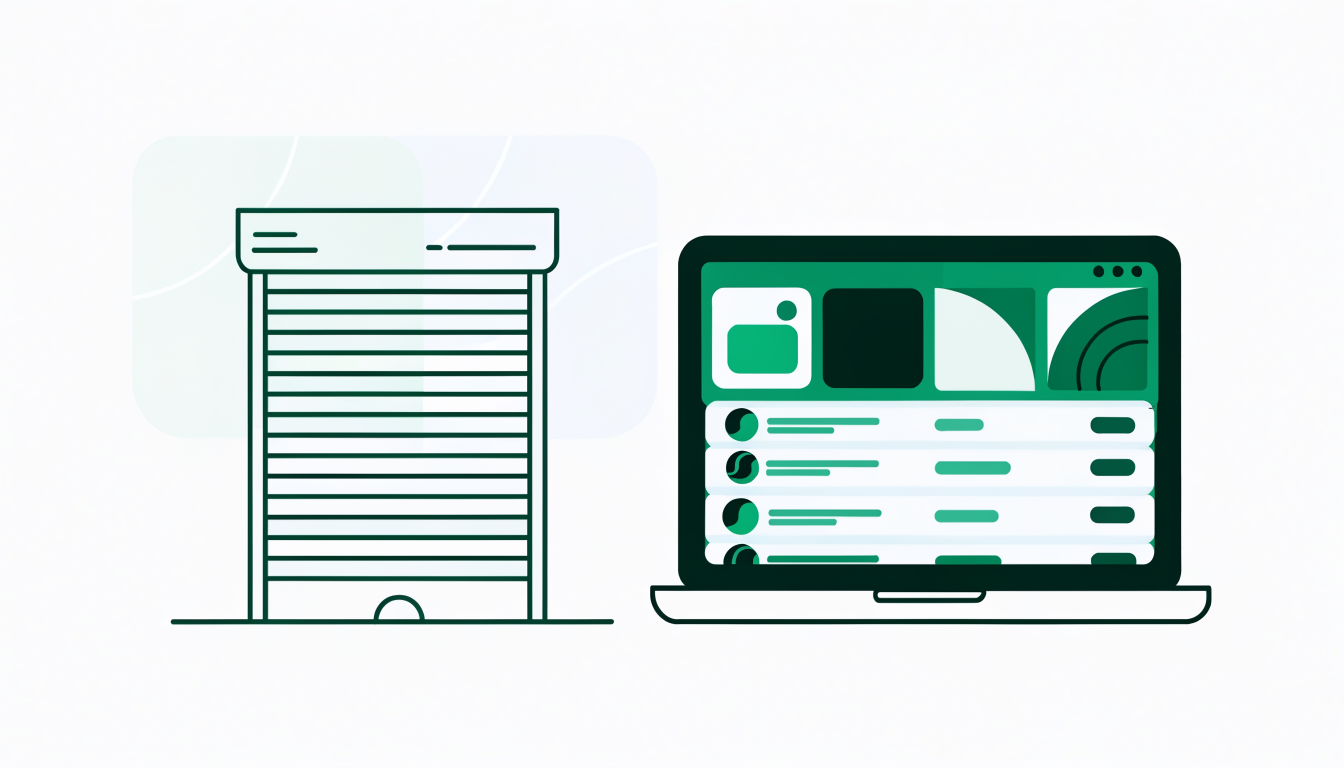
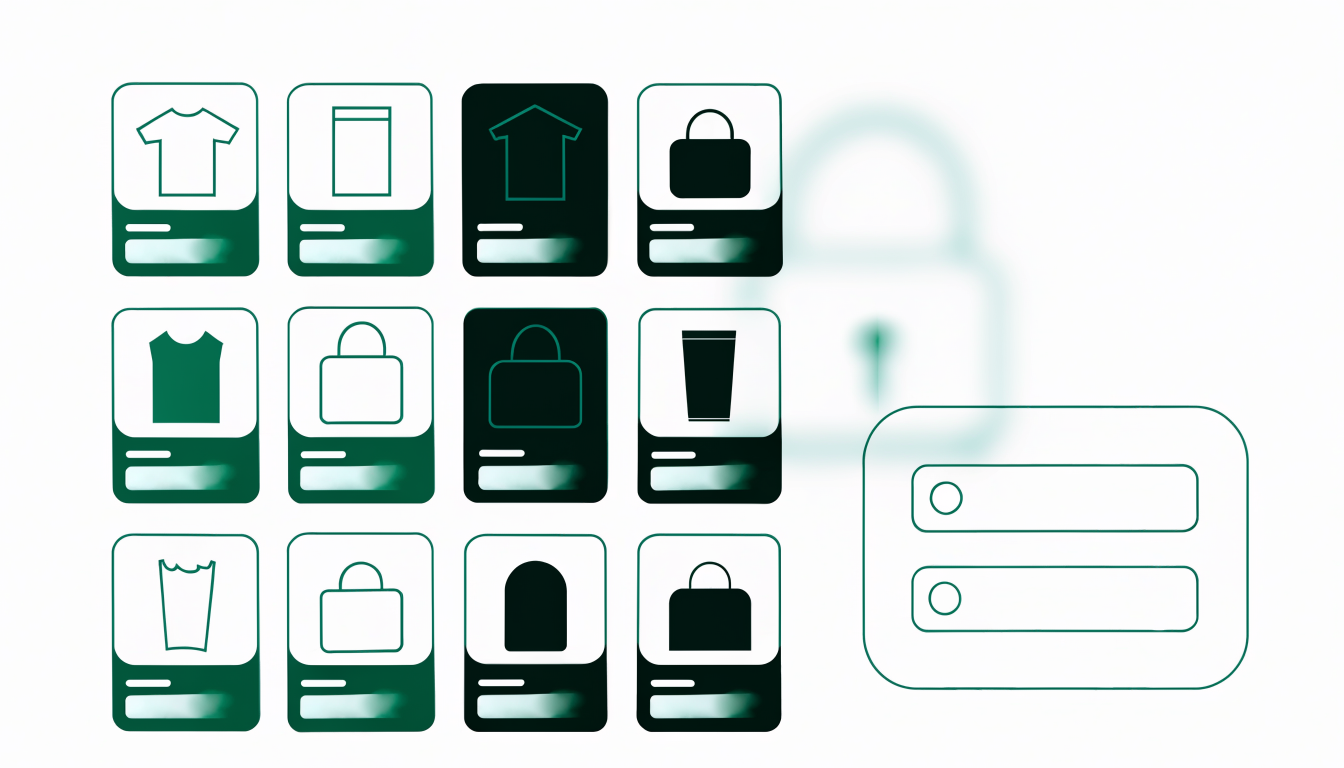
This is the first architectural fork, and it is the one most brands get wrong. A B2C storefront is built to show every price to every visitor, because a hidden price is a lost sale. A B2B storefront is usually built to do the opposite: wholesale pricing sits behind a login, visible only to approved accounts.
The reason is not secrecy for its own sake. If your wholesale price list is public, three things happen. Your retail stockists see the margin you give a larger distributor and ask for it. Consumers find the wholesale page through search and try to order at trade rates. And competitors price against your real cost structure instead of guessing at it.
So the B2B version of a product page needs three states, not one: public and priceless for anonymous visitors, gated behind an application form for prospects, and fully priced for approved buyers. Standard B2C themes have one state. Adding the other two is configuration work, and it is where most wholesale launches stall.
2. How the price is calculated
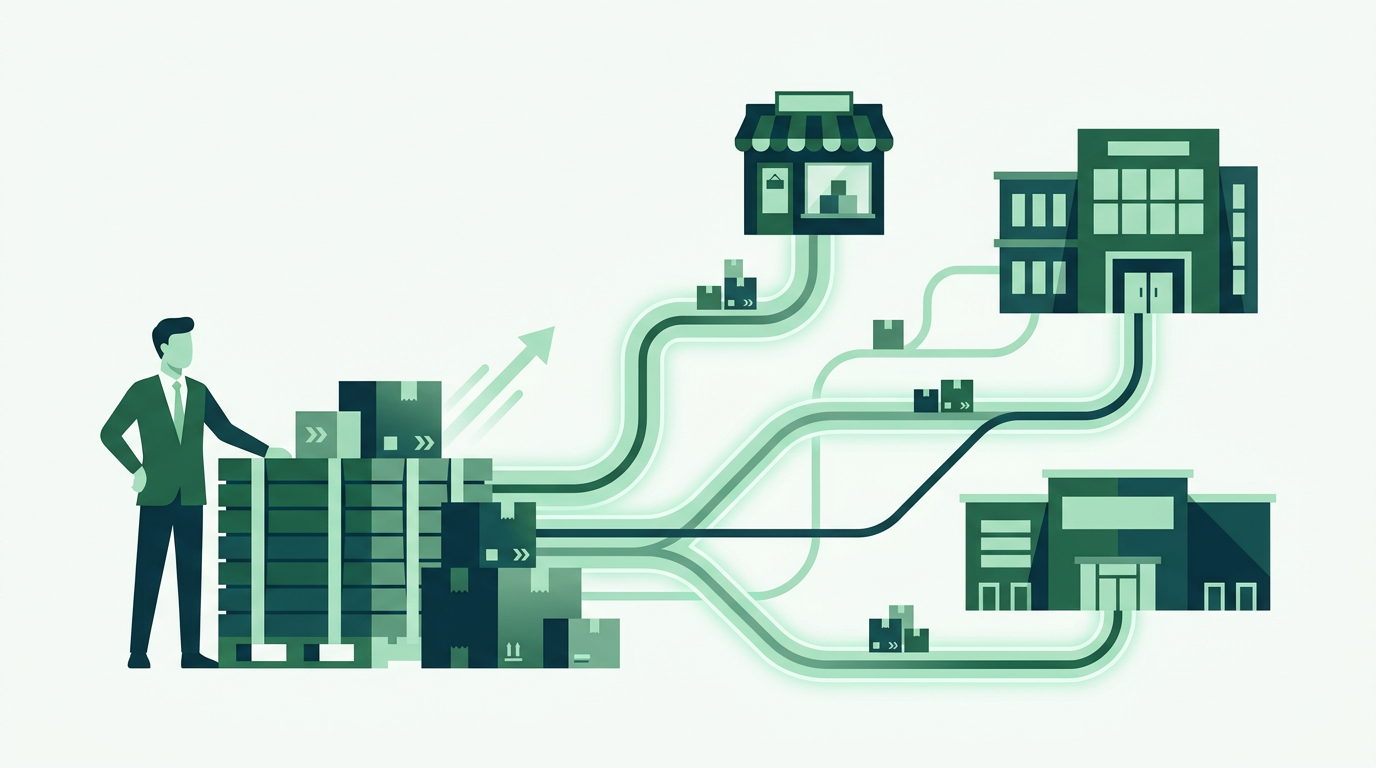
In B2C ecommerce there is one price per variant, with discounts applied on top through codes and sales. In B2B ecommerce the price is a function of who is asking and how much they are buying. The same SKU might be $18 for a boutique buying six units, $14.40 for a regional stockist on a tier-two agreement, and $12 for a distributor committing to a pallet.
That is not a discount code. It is a pricing matrix keyed to customer group and quantity, and it has to resolve correctly at three separate moments: on the product page, in the cart, and at checkout. A single-price storefront papered over with coupon codes will disagree with itself at one of those three points, and your buyer will notice.
Two mechanisms cover almost every real case. Customer-group price lists set the baseline per account tier. Quantity breaks step the price down as the cart grows. Most brands need both, layered, which is why tiered wholesale pricing on Shopify is the single most common first configuration in a B2B build.
3. The shape of a valid order
A B2C store is happy to sell one unit. A B2B store usually cannot afford to. Picking, packing, and invoicing a six-dollar order for a trade account costs more than the order earns, so wholesale programs enforce a floor.
Three controls do the work, and they stack:
- Minimum order quantity per product. No fewer than six units of a given SKU.
- Minimum order value per cart. No checkout under $250, or $500 for a first order.
- Case and pack sizing. Sold in multiples of twelve, so a buyer cannot order seven.
None of these exist in a default B2C setup, and all three have to be enforced at the cart, not explained in a PDF. A rule that lives only in your terms document is a rule your buyer will break, and then you are on the phone fixing an order instead of shipping it.

4. Who pays, and when
B2C payment is simple: the card clears before the box ships. B2B payment frequently does not work that way. A stockist expects to receive goods, sell them, and pay you thirty or sixty days later against an invoice, often referencing a purchase order number their finance team issued.
That single expectation changes your checkout. You need an invoice payment method available only to approved accounts, a purchase order field that carries through to fulfilment, credit limits so one account cannot run up an unpayable balance, and a way to see who is overdue. Offering net 30 terms on Shopify to trade accounts while keeping card-only checkout for consumers is a hard requirement for most wholesale programs, not a nice extra.
It is also the difference that most often decides whether a buyer places a large order online at all. In McKinsey's global B2B survey work, 20 percent of B2B buyers said they would spend more than $500,000 through a fully remote or digital sales model, and 11 percent said more than a million. Buyers of that size do not enter a card number. If your checkout cannot invoice, you are not in that conversation.
5. Whether you collect sales tax
A B2C order almost always includes sales tax. A wholesale order to a reseller usually should not, because the reseller collects it downstream when they sell to the consumer. Getting this wrong in either direction is expensive: charge tax you should not and buyers ask for credits every month, skip tax you should have collected and the liability is yours.
Practically, that means your B2B setup needs to collect and store a resale certificate or exemption ID per account, flag the account as exempt once verified, and suppress tax at checkout only for those accounts. It also means the exemption has to survive a reorder six months later without anyone remembering to re-apply it.
6. Who the customer actually is
In B2C, the customer and the account are the same person. In B2B they are not. The account is a company. Attached to it are a buyer who places orders, a manager who approves them over a threshold, a finance contact who pays the invoice, and often several ship-to locations that are not the billing address.
So a B2B account record has to hold more than an email and a shipping address. It needs multiple users under one company, role-based permissions, an approval step for orders above a set value, saved multi-location shipping, and a company-level order history that everyone on the account can see. Model this as individual consumer logins and your buyer's colleague cannot reorder while they are on holiday.
7. What a repeat purchase looks like
B2C repeat purchase is a marketing problem. You win it with email flows, loyalty points, and timing. B2B repeat purchase is a friction problem. The buyer already intends to reorder; your job is to make it take ninety seconds instead of an email thread.
That means the reorder path is a first-class feature, not a nurture campaign: full order history with one-click repeat, saved lists and standing baskets, CSV or bulk quantity entry so a buyer can key in forty SKUs without forty clicks, and stock visibility so they know what they can actually get. Shopify reports up to a 3.2x increase in reorder frequency for B2B orders compared with direct-to-consumer, which is the whole economic case for the channel. You capture that only if reordering is genuinely fast.
8. Whether you run one store or two
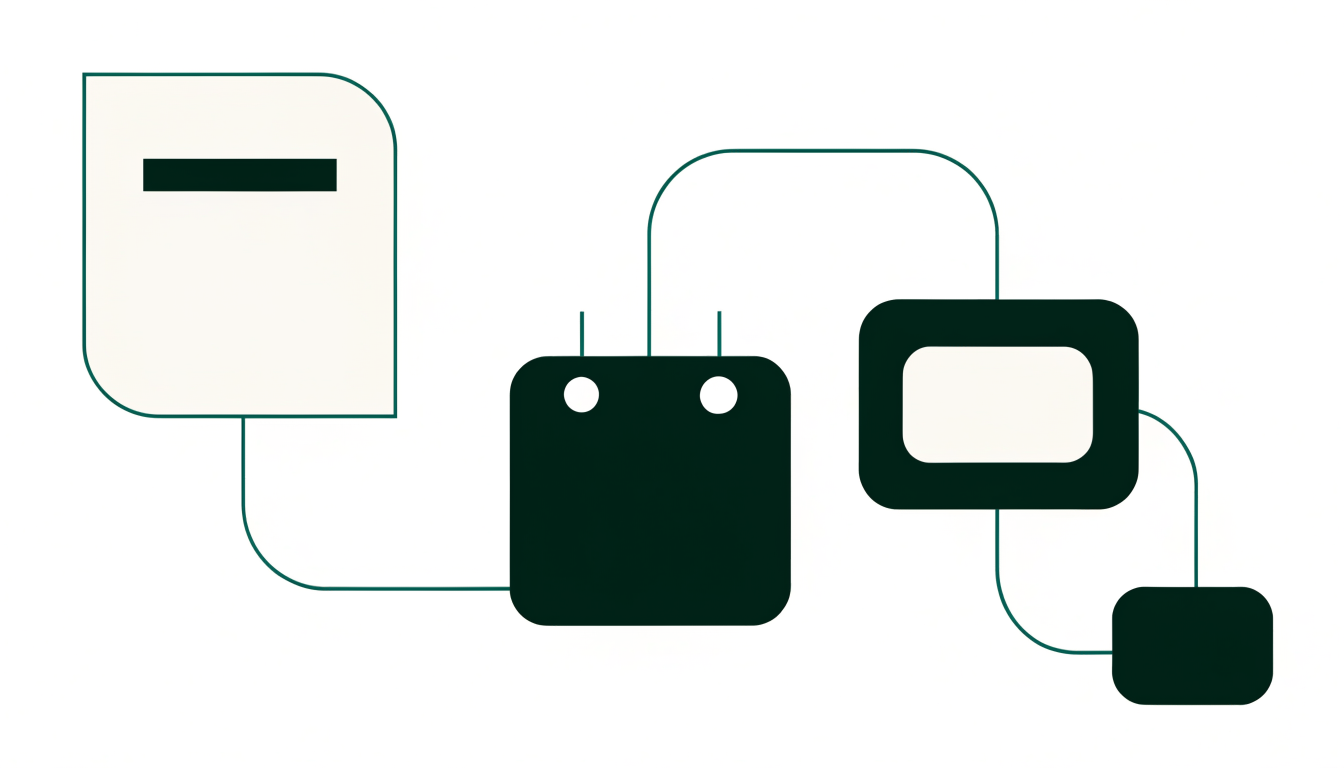
This is the decision that everything above rolls up into, and the honest answer is that one store wins for most brands under roughly $20 million in wholesale revenue. Two stores means two catalogs, two inventory truths, two theme updates, and two sets of SEO. The duplication cost compounds quietly and then all at once.
The case for a second store is narrow: genuinely different product ranges, a separate legal entity, or a wholesale operation large enough to justify its own team and its own platform. Everything short of that is usually better served by one Shopify store with a gated B2B layer on top, which is the pattern covered in running Shopify B2B and B2C from one store.
B2B vs B2C ecommerce: side by side
On a default B2C storefront, every row below is either missing or manual. A B2B setup needs all of them native, and the gap between the two columns is the actual work of launching a wholesale channel.
Reading the rows that matter most: price visibility and per-group pricing are the two that break a wholesale launch fastest, because a public wholesale price list undermines every stockist agreement you have and a single-price catalog forces your team back into manual quoting. MOQs and pack sizing are the two that quietly destroy margin, since a B2C cart will happily accept a single-unit trade order that costs more to fulfil than it earns. Net terms and tax exemption are the two that decide whether serious accounts buy online at all, because a buyer who has to pay by card and reclaim sales tax will simply email your sales rep instead. Everything in the right-hand column is available on Shopify, but almost none of it is on by default, which is why the practical question is not B2B or B2C, it is which layer you add on top of the store you already run. For a fuller walkthrough of the differences from the platform side, Shopify's own B2B vs B2C ecommerce breakdown is a useful companion read.
Which setup do you need?
Three cases cover almost everyone:
- You sell only to consumers. Keep the B2C storefront as it is. Adding B2B machinery you do not need slows the site and complicates the theme.
- You sell to both, and wholesale is under roughly $20 million. One store, one catalog, one inventory pool, with a gated B2B layer that switches on pricing, MOQs, terms, and tax rules for approved accounts. This is the right answer for the large majority of Shopify brands.
- Wholesale is a separate business. Different products, a different legal entity, or its own operations team. Then a second store or a dedicated B2B platform can be justified, and the duplication cost is worth paying.
If you are in the middle case, start with the two changes that pay back fastest: gate the prices, and set per-group pricing with quantity breaks. Everything else on the list can follow in the weeks after.
Frequently asked questions
What is the main difference between B2B and B2C ecommerce?
The core difference is that B2C ecommerce shows one public price to everyone, while B2B ecommerce resolves price, catalog visibility, order minimums, payment terms, and tax treatment per account. B2C is a storefront. B2B is a storefront plus a permission layer that changes what each logged-in buyer sees and can do.
Can you run B2B and B2C on the same store?
Yes, and for most brands you should. One Shopify store with a gated wholesale layer keeps a single catalog, a single inventory pool, and one theme to maintain, while approved trade accounts see their own prices, minimums, and payment options. A second store only earns its keep when the wholesale operation has genuinely separate products, entities, or teams.
Is B2B ecommerce harder than B2C ecommerce?
The buying experience is more complex to build, because a B2B store has to handle account approval, tiered pricing, MOQs, invoicing, and tax exemption that a B2C store never touches. The marketing is usually easier: your buyer list is finite and known, orders are larger, and repeat purchase is driven by low friction rather than by paid acquisition.
How are B2B and B2C sales different online?
B2B vs B2C sales differ mainly in order size, decision structure, and cadence. A B2C order is one person buying a few units on impulse or intent. A B2B order is a company buying in case quantities, often with a second person approving it and a finance contact paying the invoice thirty days later, on a predictable reorder cycle.
Do B2B stores have to hide prices?
Not technically, but most should. Publishing wholesale prices lets consumers see trade rates, lets small stockists demand a larger buyer's margin, and hands competitors your cost structure. Gating prices behind an approved login solves all three, and the application form doubles as a lead-qualification step for your sales team.
Does B2B ecommerce need a different platform from B2C?
Usually not. Most brands running under roughly $20 million in wholesale can add B2B capability to their existing Shopify store rather than migrating. The decision point is not the platform, it is whether the B2B features you need are native, added by an app, or absent entirely.
Add a B2B layer to the store you already run
PortalSphere brings gated catalogs, tiered pricing, MOQs, net terms, and tax exemption to your existing Shopify store. 14-day free trial, free onboarding.