Dropshipping vs Wholesale: Which Is Right for Your Store?

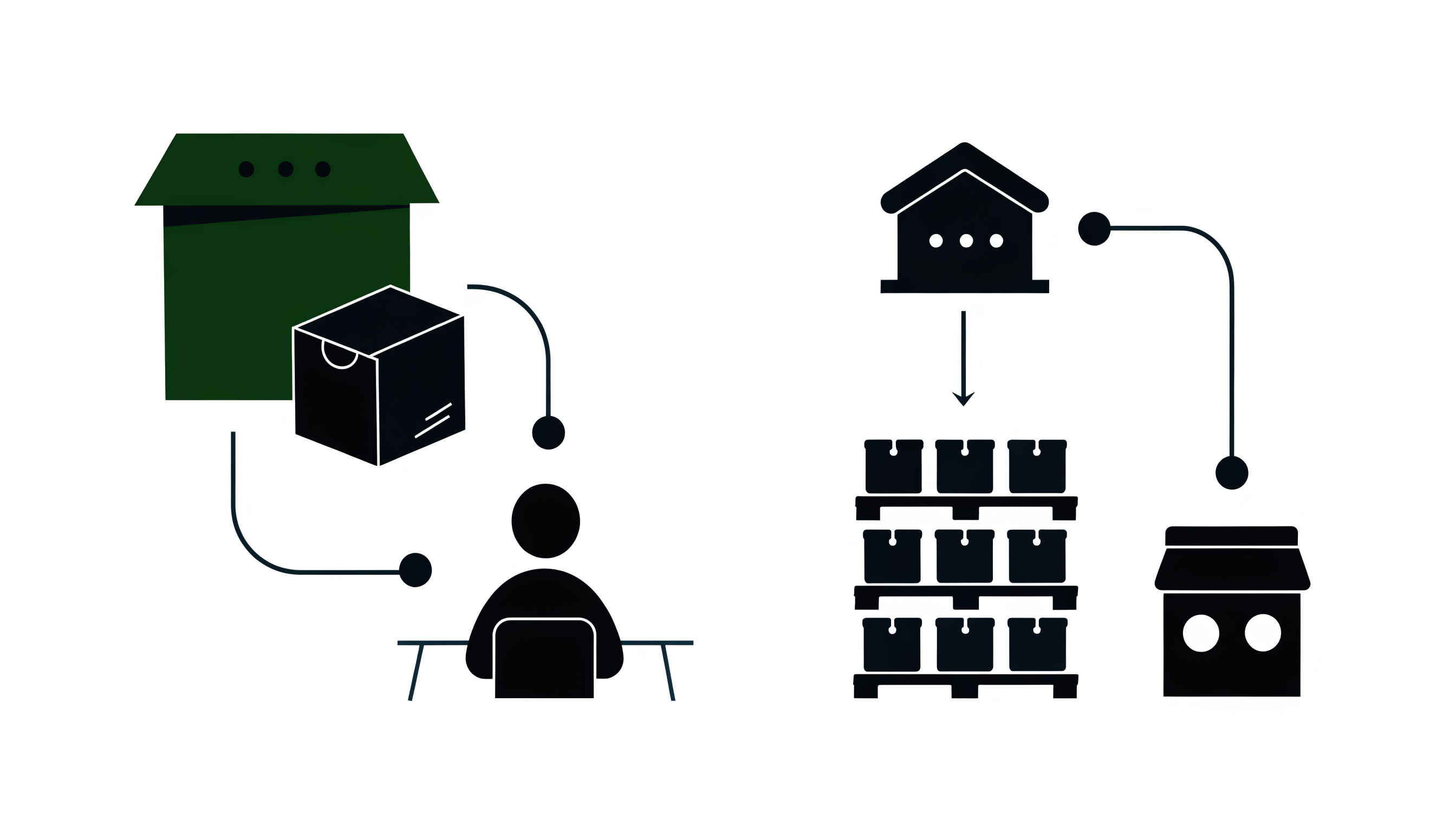
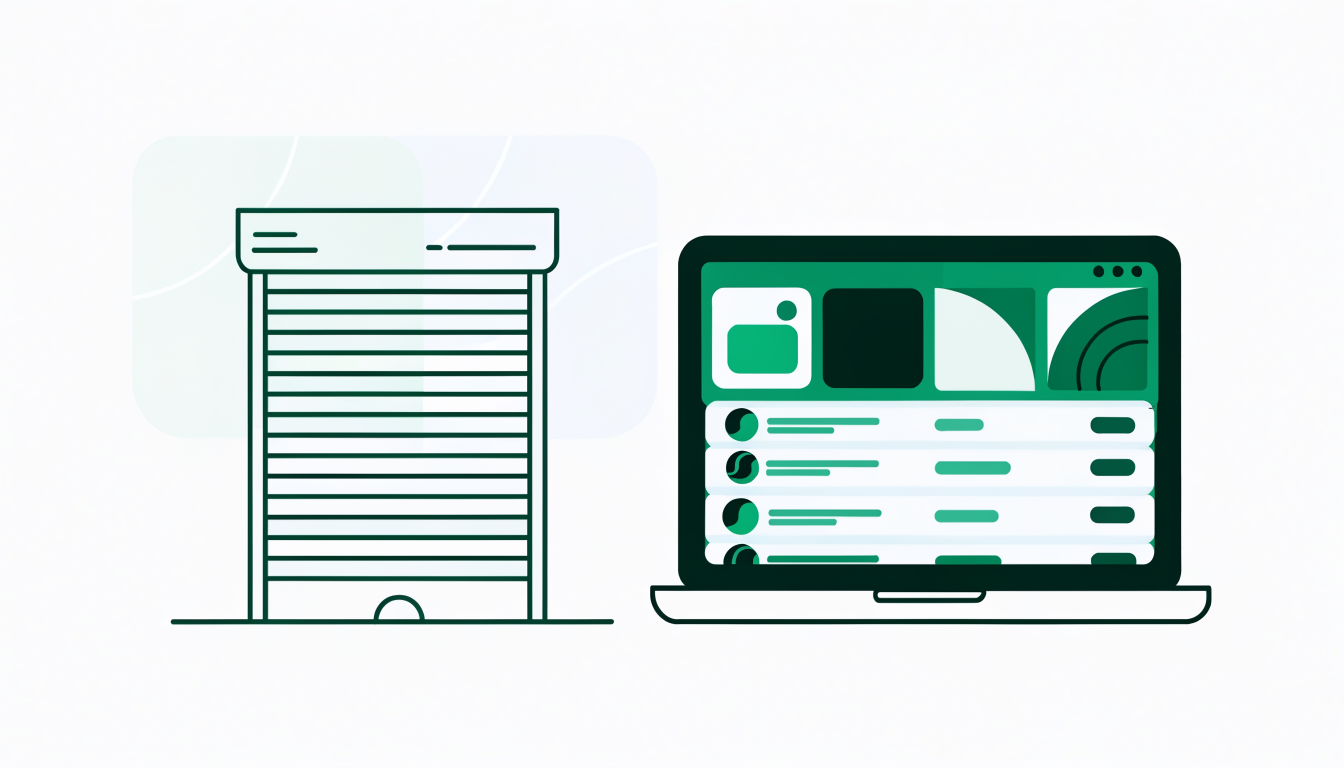
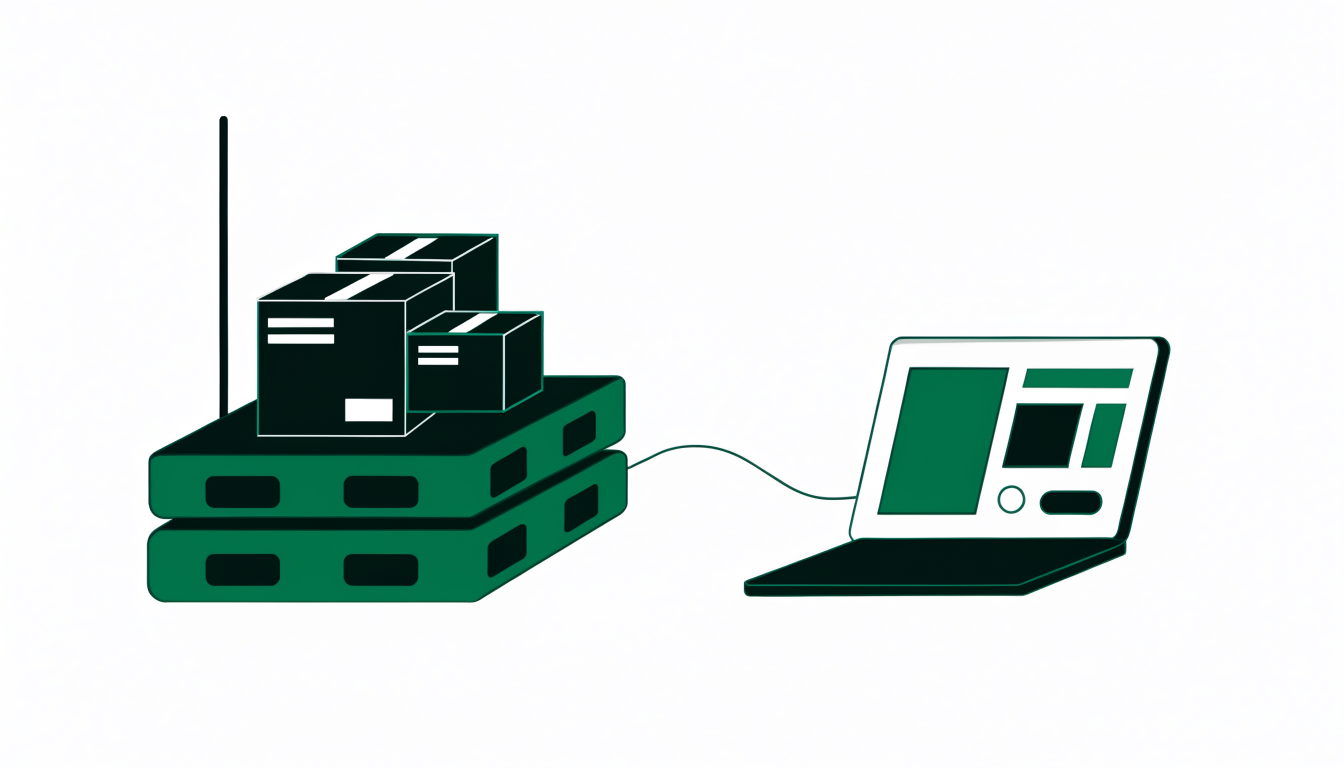
Dropshipping and wholesale are two different ways to source and sell products. In dropshipping you list a supplier's items and they ship each order for you, so you hold no inventory and carry little upfront risk, but margins are thin (often 10 to 30%) and you do not control stock or shipping. In wholesale you buy inventory in bulk at a discount, usually about half of retail, then sell it yourself, which means higher upfront cost and storage but far better margins (commonly around 50%) and full control over quality, branding, and fulfillment. Dropshipping suits testing products and starting with little cash. Wholesale suits brands ready to invest in inventory for stronger margins, and it is also the model you use when you become the supplier selling in bulk to other retailers. Many stores blend both.
Key takeaways
- Dropshipping means no inventory and the supplier ships each order: low risk, low margin (10 to 30%), and limited control.
- Wholesale means buying in bulk at roughly 50% of retail and shipping yourself: higher upfront cost, higher margin (around 50%), and full control.
- Choose dropshipping to test products cheaply; choose wholesale to protect margin and brand as you scale.
- Wholesale also describes being the supplier: selling your own inventory in bulk to other retailers.
- On Shopify, PortalSphere runs a wholesale channel with gated pricing, tiers, MOQs, and net terms alongside your retail store.
In this article
- What is the difference between dropshipping and wholesale?
- Dropshipping vs wholesale: side by side
- Pros and cons of dropshipping
- Pros and cons of wholesale
- Which is more profitable?
- Which should you choose?
- Selling wholesale: becoming the supplier on Shopify
- FAQ
What is the difference between dropshipping and wholesale?
The short version: dropshipping trades margin for low risk, and wholesale trades upfront cash for margin and control. In dropshipping, you never touch the product. You list a supplier's items, and when a customer orders, the supplier ships it directly. In wholesale, you buy products in bulk at a discount, hold the inventory, and fulfill orders yourself.
That single difference (who owns and ships the stock) drives everything else: how much cash you need to start, how much you earn per sale, and how much say you have over quality, packaging, and delivery.
Dropshipping vs wholesale: side by side
Wholesale wins on margin and control; dropshipping wins on upfront cost and speed to launch. Here is how they compare on the criteria that decide most stores.
Read the rows that matter most in full: on upfront cost, dropshipping lets you open a store for almost nothing because you only pay a supplier after a customer pays you, while wholesale requires enough capital to buy a bulk order first. On margin, wholesale is the clear winner: buying at roughly half of retail leaves about a 50% gross margin, whereas a dropship supplier keeps a cut for fulfilling each order, leaving you 10 to 30%. On control, wholesale lets you own the unboxing, shipping speed, and quality checks, while dropshipping hands all of that to a third party you cannot fully see.
Pros and cons of dropshipping
Dropshipping is the fastest, cheapest way to test whether a product sells. You can list dozens of items without buying any of them, and if something flops you simply remove it. There is no warehouse, no packing, and no capital tied up in stock.
The trade-offs are real. Margins are thin because the supplier prices in their fulfillment work. You compete with everyone else selling the same catalog, so price wars are common. And because you do not control fulfillment, a supplier stockout or slow shipment becomes your customer complaint. Dropshipping is excellent for discovery and weak for building a durable, differentiated brand.
Pros and cons of wholesale
Wholesale flips the equation. Buying in bulk earns a real discount, so your per-unit margin is much healthier and holds up even when you run promotions. You control the product, the packaging, and the delivery experience, which is how brands earn repeat customers. And once you own inventory, you can open your own wholesale channel and sell in bulk to other retailers.
The cost is upfront risk. You pay for stock before you sell it, you need somewhere to store it, and unsold inventory ties up cash. Wholesale rewards sellers who have validated demand and can forecast well enough to avoid overbuying.
Which is more profitable, dropshipping or wholesale?
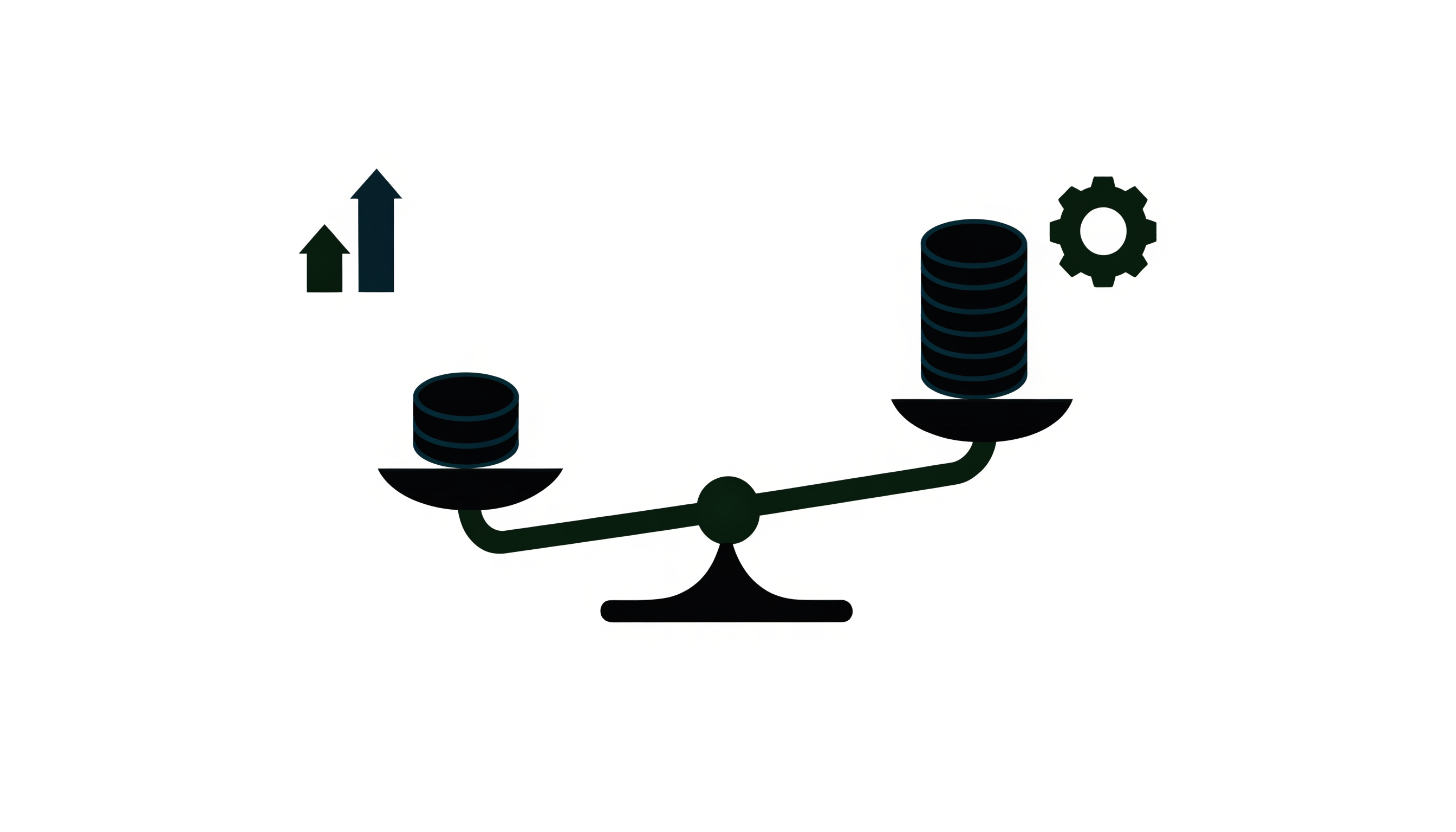
Per sale, wholesale almost always wins. A 50% margin versus a 10 to 30% margin is a large gap, and it widens as order volume grows because bulk pricing improves. Dropshipping can still be profitable at scale on high volume and low overhead, but you are building on thinner ground and less control.
The honest answer is that profitability depends on stage. Early on, dropshipping's near-zero cost can beat wholesale simply because you are not risking capital. Once a product proves itself, moving it to wholesale is usually the single biggest lever on your margin.
Which should you choose?
Match the model to where you are. Choose dropshipping if you are starting with little cash, testing new products, or validating a niche before committing to inventory. Choose wholesale if you have proven demand, want stronger margins, and care about controlling quality and branding. Many stores run both: dropship to discover, then buy proven winners at wholesale to protect margin. If you are also weighing selling channels, our guide on wholesale vs retail breaks down the difference between selling in bulk and selling to end consumers.
Selling wholesale: becoming the supplier on Shopify
There is a second meaning of wholesale worth calling out. Once you own inventory and a brand, you can become the wholesale supplier, selling your products in bulk to other retailers and boutiques. That is often the highest-leverage growth channel for a maturing brand, because a single wholesale account can move more units than dozens of individual retail sales.
Native Shopify is built for retail, so running a wholesale channel on top of it is where an app helps. PortalSphere lets you gate wholesale prices behind a registration and approval flow, set tiered pricing by customer group, enforce minimum order quantities and pack sizes, and offer net payment terms, all on the same store your retail shoppers use. If you are just getting started, our walkthrough on how to set up wholesale on Shopify covers the full setup. For a primer on the dropshipping side, Shopify's own dropshipping guide is a solid reference.
Frequently asked questions
Is dropshipping or wholesale better for beginners?
Dropshipping is usually easier for beginners because it needs little upfront cash and no inventory, which makes it low risk for testing products. Wholesale suits sellers who have validated demand and can invest in stock for better margins.
Can you do both dropshipping and wholesale?
Yes. Many stores dropship to test new products and stock proven bestsellers via wholesale to protect margin. Some brands also sell their own inventory wholesale to other retailers while dropshipping complementary items.
Which is more profitable, dropshipping or wholesale?
Wholesale typically earns higher margins, often around 50%, because you buy in bulk at a discount. Dropshipping margins are usually 10 to 30% because the supplier keeps a cut for fulfilling each order.
How much money do you need to start wholesale?
It varies by supplier minimums, but wholesale requires enough capital to buy inventory in bulk and cover storage, often from a few hundred to several thousand dollars per order. Dropshipping can start with almost none.
Add a wholesale channel to your Shopify store
When you are ready to sell in bulk to other retailers, PortalSphere handles gated pricing, tiers, MOQs, and net terms without a second store.